
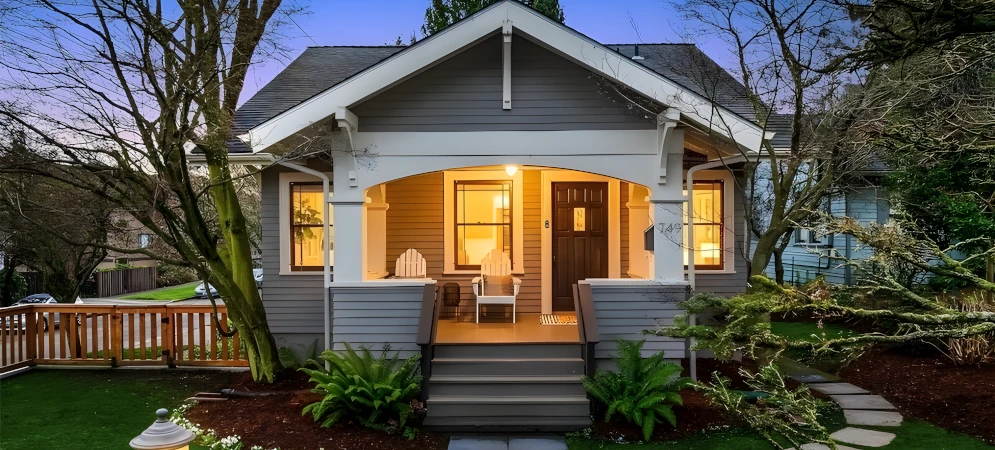
Exterior Renovation
  • neilghuman

What Is Included in a Full Exterior Renovation?

Your home’s exterior is the first thing people see—and the first line of defense against the Pacific Northwest’s relentless weather.

A full exterior renovation is one of the most impactful investments a homeowner can make. It improves curb appeal, protects the structure from moisture and decay, increases property value, and in many cases addresses deferred maintenance that—left unchecked—leads to far more costly repairs down the road. But what exactly does a full exterior renovation include? The answer depends on the condition of your home and your goals, but here’s a comprehensive look at what the scope typically covers.


Siding Replacement or Repair

Siding is the most visible component of any exterior renovation and often the one in the most need of attention. In the Pacific Northwest, years of rain and moisture take a significant toll on wood siding, fiber cement, and older materials that weren’t designed for this climate. A full exterior renovation typically includes a thorough assessment of existing siding—identifying rot, damage, and failing sections—followed by repair or full replacement depending on what the inspection reveals.

Material selection matters here. Fiber cement siding has become the preferred choice for Washington homeowners due to its durability, moisture resistance, and low maintenance requirements. Engineered wood offers a more natural appearance with improved performance over traditional wood. Each option comes with different cost profiles, maintenance expectations, and aesthetic outcomes—and we walk every homeowner through the tradeoffs before any material is selected.


Roofing Assessment and Replacement

A full exterior renovation without addressing the roof is an incomplete project. The roof is the primary barrier between your home and the elements, and in Seattle’s climate it works harder than almost anywhere else. If the existing roof is aging, showing signs of wear, or nearing the end of its service life, a full renovation is the right time to address it—before new siding and trim go on around a roof that will need replacing in two years anyway.

Roofing work in a full exterior renovation typically includes a full inspection, removal of existing material, assessment of the decking beneath, and installation of new roofing with proper underlayment and flashing. Gutters and downspouts are evaluated and replaced as part of this phase to ensure water is being managed correctly from the roofline to the ground.


Windows and Doors

Windows and exterior doors are both functional and aesthetic components of a full renovation. Older windows that are drafty, fogged between panes, or difficult to operate are not just an inconvenience—they’re an energy efficiency problem and a moisture risk. Replacing windows as part of a full exterior renovation ensures the envelope of the home is tight, efficient, and properly flashed and sealed against water intrusion.

Exterior doors—front entry, side entry, and garage doors—are evaluated for condition, security, insulation value, and appearance. A new front door in particular has an outsized impact on curb appeal and can anchor the overall design direction of the renovation.


Trim, Fascia, and Soffit

These are the details that separate a renovation that looks finished from one that looks patched. Trim around windows and doors, fascia boards along the roofline, and soffit panels beneath the eaves are all vulnerable to moisture damage and rot—and they’re often the first areas to show deterioration. In a full exterior renovation, these components are inspected, repaired, or replaced and finished to match or complement the new siding and overall design.

Getting trim details right requires precision and an eye for proportion. Poorly installed or mismatched trim undermines an otherwise quality renovation—so we treat these elements with the same attention as any other phase of the project.


Paint and Exterior Finishes

Whether new siding is being installed or existing surfaces are being refreshed, paint and exterior finishes are the final layer of protection and the element that ties the entire renovation together visually. Exterior paint in the Pacific Northwest needs to be selected for moisture resistance, UV stability, and longevity—not just color. Proper surface preparation, priming, and application technique determine how long the finish holds up far more than the paint brand alone.

Color selection is a meaningful decision that affects how the home relates to its surroundings, its architectural style, and the neighborhood context. We work with homeowners to choose palettes that feel intentional and age well.


Decks, Porches, and Exterior Structures

A full exterior renovation often extends to attached structures—decks, covered porches, pergolas, and entryway overhangs. These elements are evaluated for structural integrity, surface condition, and weatherproofing. Decking that is rotting, soft, or structurally compromised is replaced. Railings are checked for code compliance and safety. Covered structures are assessed for drainage and ventilation to prevent the moisture buildup that shortens their lifespan.


Hardscape and Site Transitions

The area immediately around the home—walkways, steps, retaining walls, and grading—plays a role in how water behaves around the foundation. A full exterior renovation takes a holistic view of the property, addressing drainage issues, re-grading where needed, and replacing or repairing hardscape elements that direct water toward the structure rather than away from it.


What a Full Exterior Renovation Delivers

A well-executed exterior renovation does more than make a home look new—it protects the structure, improves energy efficiency, and adds measurable value to the property. At Washington Construction, we approach every exterior project with a detailed assessment, a clear scope, and a coordinated execution plan that keeps the project moving efficiently. From siding and roofing to trim details and site drainage, we manage every component under one roof so nothing falls through the cracks—and the finished product reflects the investment you’ve made in your home.
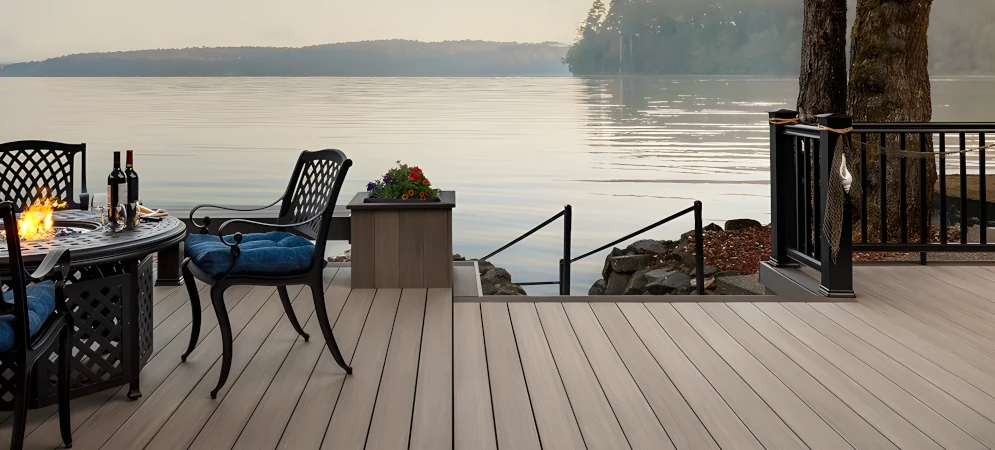
Exterior Improvements
  • neilghuman

Choosing the Right Materials for Your Deck or Outdoor Project

The material you choose for your deck or outdoor project will determine how it looks, how long it lasts, and how much time and money you spend maintaining it.

Outdoor projects are a significant investment—and in the Pacific Northwest, they’re put to the test every single year. Rain, moisture, UV exposure, and temperature swings separate quality materials from ones that look great on day one and deteriorate within a few seasons. Before you commit to a direction, it’s worth understanding what your options actually are, what each one demands of you as a homeowner, and which one makes the most sense for your project, your lifestyle, and your budget.


Pressure-Treated Lumber

Pressure-treated lumber is the most common and most affordable decking material on the market. It’s widely available, easy to work with, and when properly maintained, can last 15 to 20 years. The tradeoff is that it requires consistent upkeep—sealing or staining every one to two years to prevent moisture absorption, cracking, and graying. In Seattle’s climate, a pressure-treated deck that isn’t maintained will show its age quickly.

It’s worth noting that pressure-treated lumber is almost always the right choice for the subframe beneath your deck—regardless of what surface material you choose. Its resistance to ground contact, moisture, and insects makes it the standard for structural framing, even on composite or hardwood deck builds.


Cedar and Redwood

Cedar and redwood are the premium end of natural wood decking. Both species contain natural oils that provide inherent resistance to moisture, insects, and decay—making them better suited for wet climates than pressure-treated pine. They’re also beautiful, with warm tones and natural grain patterns that are difficult to replicate with engineered materials.

The catch is cost and maintenance. Cedar and redwood are significantly more expensive than pressure-treated lumber, and they still require regular sealing and staining to preserve their appearance and longevity. Left unfinished in a wet climate, even cedar will gray, crack, and deteriorate over time. For homeowners who love the look of natural wood and are committed to maintaining it, cedar or redwood is a worthy investment. For those who want low maintenance above all else, there are better options.


Composite Decking

Composite decking has become the most popular choice for Pacific Northwest homeowners—and for good reason. Engineered from a blend of wood fibers and recycled plastics, composite boards resist moisture, fading, staining, and insect damage without the ongoing maintenance that natural wood demands. There’s no sealing, no staining, and no annual treatment—an occasional rinse is typically all it takes to keep a composite deck looking sharp.

Quality composite decking carries lifespans of 25 to 30 years, and most leading manufacturers back their products with long-term warranties. The upfront cost is higher than wood, but when you factor in the elimination of ongoing maintenance costs and the extended lifespan, composite frequently comes out ahead over the life of the deck. For a climate like Seattle’s, it’s hard to make a case against it.


PVC Decking

PVC decking takes the moisture resistance of composite a step further. Made entirely from cellular PVC with no wood content, it is completely impervious to moisture, rot, and insects. It won’t absorb water under any circumstances, making it particularly well-suited for covered decks, rooftop applications, or any structure where standing water is a concern.

PVC is among the most expensive decking options available, and some homeowners find it feels less natural underfoot than composite or wood. However, for the right application—particularly where moisture exposure is extreme—it offers performance that nothing else can match.


Hardwood Decking

Exotic hardwoods like Ipe, Tigerwood, and Cumaru are among the most durable and visually striking decking materials available. Naturally dense and resistant to moisture, insects, and fire, quality hardwood decks can last 40 years or more when properly maintained. The finished look is exceptional—rich, deep tones and tight grain patterns that age beautifully.

The tradeoffs are significant. Hardwood decking is expensive, difficult to work with, and requires specific fastening systems due to its density. Maintenance, while less frequent than softer woods, still involves periodic oiling to preserve color and prevent surface checking. Sourcing matters too—look for FSC-certified hardwoods to ensure the material is responsibly harvested. For homeowners who want the absolute best and are willing to invest accordingly, hardwood is hard to beat.


Concrete and Pavers

For ground-level patios and outdoor entertaining areas, concrete and pavers offer durability and design flexibility that wood and composite can’t match. Concrete can be poured, stamped, stained, and finished in countless ways to complement the home’s exterior. Pavers offer a modular, customizable look with the added benefit of being repairable—individual units can be replaced without disturbing the surrounding surface.

Neither concrete nor pavers require the same level of ongoing maintenance as wood decking, though concrete can crack over time and pavers may shift or settle if the base isn’t properly prepared. Both are excellent long-term choices for patios, walkways, and outdoor living spaces when installed correctly.


How to Choose the Right Material for Your Project

There’s no single right answer—the best material depends on your specific project, your climate exposure, your maintenance tolerance, and your budget. A few questions worth working through before you decide:

  • How much direct rain and moisture exposure will the surface see?
  • Are you willing to commit to annual or biannual maintenance?
  • What is the intended lifespan of the project?
  • Does the material need to match or complement existing exterior finishes?
  • What is your total budget, including long-term maintenance costs?

Get It Right From the Start

Material selection is one of the most consequential decisions in any outdoor project—and it’s one worth making carefully. At Washington Construction, we help homeowners think through the full picture before any material is ordered or any work begins. The right choice depends on your specific site conditions, your goals, and how you plan to use the space. We bring that perspective to every project we build—so the finished result not only looks the way you imagined, but holds up the way it should for years to come.