
General Contracting
  • neilghuman

Do You Need a General Contractor for Your Remodel?

The short answer: if you’re remodeling a commercial space, yes—and here’s why it matters.

Commercial remodels are a different animal than residential projects. There are more stakeholders, stricter code requirements, tighter timelines, and real financial consequences when things go sideways. The question isn’t really whether you need a general contractor—it’s what happens when you try to manage the process without one.


What a General Contractor Actually Does

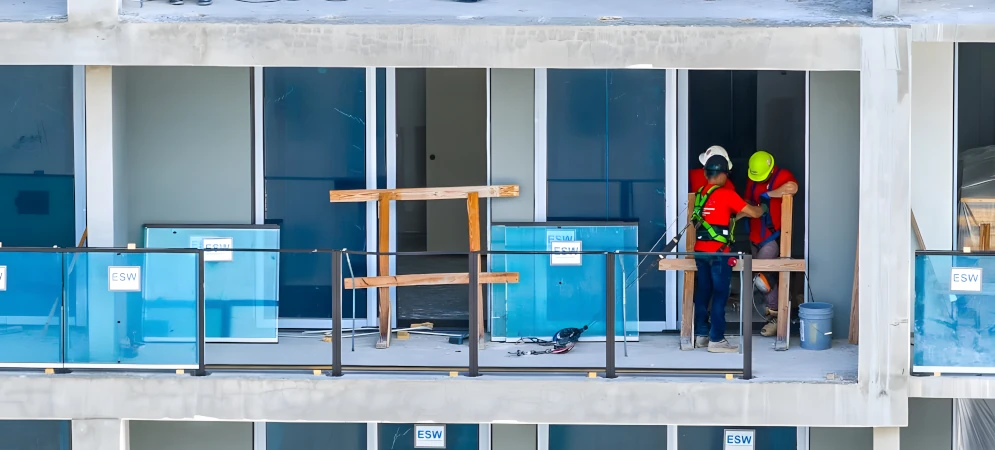
A GC isn’t just someone who swings a hammer. On a commercial remodel, a general contractor is the person responsible for holding the entire project together—coordinating every trade, managing the schedule, pulling permits, passing inspections, and making sure the work meets code and lease requirements. Without that single point of accountability, the burden falls on you.

Most business owners and property managers are already running full schedules. Adding daily coordination of electricians, plumbers, framers, tile setters, and inspectors on top of that isn’t just inconvenient—it’s a recipe for delays, miscommunication, and cost overruns that could have been avoided entirely.


The Real Cost of Going Without One

It’s tempting to think that managing trades directly will save money. In some cases it might—but in commercial construction, the risk rarely justifies the savings. A missed inspection means rescheduling and delays. A trade that shows up out of sequence means rework. A permit pulled incorrectly means stop-work orders. These aren’t hypothetical scenarios—they’re the most common reasons commercial remodels run over budget and over schedule.

A general contractor prices projects to include their management, coordination, and oversight—and that cost is almost always offset by the efficiency, accountability, and problem-solving they bring to the job. What you save in GC fees, you often spend twice over in delays and corrections.


When the Scope Demands It

Not every commercial project requires a full general contractor engagement. Minor cosmetic updates—fresh paint, carpet replacement, basic fixture swaps—can sometimes be handled with a single trade or a handyman. But the moment your remodel involves structural changes, mechanical or electrical work, permit requirements, or multiple trades working in sequence, a general contractor isn’t optional—it’s essential.

If your project includes any of the following, you need a GC:

  • Load-bearing wall removal or structural modifications
  • Plumbing or electrical upgrades requiring permits and inspections
  • HVAC modifications or new system installation
  • Work that must comply with ADA, fire code, or lease build-out requirements

What to Look for When Hiring One

Not all general contractors are built the same. For commercial work, you want someone with direct experience in the type of space you’re remodeling—whether that’s office, retail, medical, or industrial. Verify licensing, bonding, and insurance before any conversation about price. Ask how they handle permitting, who your point of contact will be, and how they communicate progress throughout the project.

The right GC will ask just as many questions as you do. They’ll want to understand your timeline, your lease obligations, whether the space will be occupied during construction, and what success looks like when the project is complete. If a contractor shows up, throws out a number, and asks when they can start—keep looking.


The Bottom Line

A commercial remodel is an investment in your business, your tenants, or your property. Protecting that investment means putting the right team in place from the start. A qualified general contractor brings structure, accountability, and expertise that keeps your project on track, on budget, and built to code—so when the work is done, you can focus on what you actually came there to do.
Permitting
  • neilghuman

Step-by-Step Guide to Getting a Construction Permit in Seattle

Navigating Seattle’s permitting process doesn’t have to be overwhelming—but going in without a plan will cost you time and money.

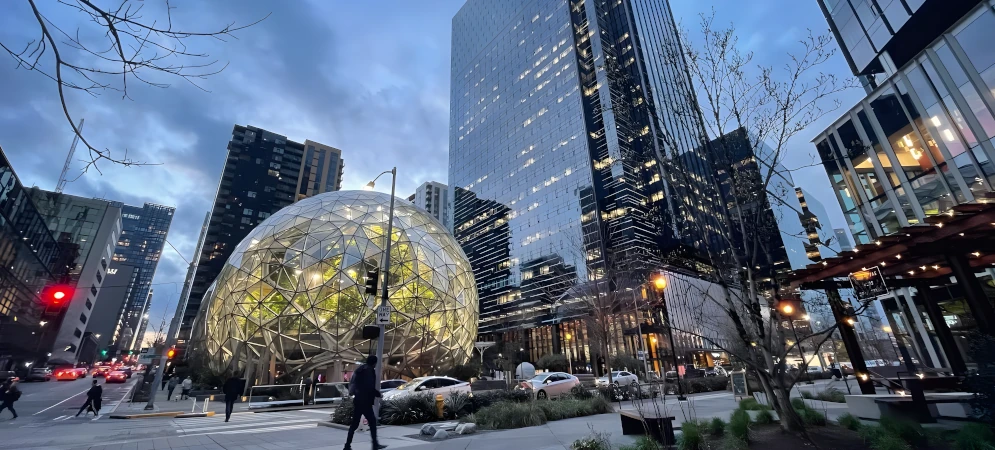
Whether you’re remodeling a commercial space, adding square footage to a home, or making structural changes to an existing building, chances are you need a permit. Seattle’s Department of Construction and Inspections (SDCI) oversees the permitting process, and while the system has become more streamlined in recent years, it still requires careful preparation, accurate documentation, and patience. Here’s what the process looks like from start to finish.


Step 1: Determine Whether You Need a Permit

Not every construction project requires a permit, but most do. Minor cosmetic work—painting, flooring, cabinet replacement—typically doesn’t. The moment you touch structural elements, electrical systems, plumbing, or mechanical work, a permit is almost always required. When in doubt, check with SDCI directly or consult your contractor before assuming you’re in the clear.


Step 2: Identify the Right Permit Type

Seattle issues several types of permits depending on the scope of work. The most common include:

  • Construction permits for new builds, additions, and significant alterations
  • Mechanical permits for HVAC, ventilation, and fuel gas systems
  • Electrical permits issued through the Washington State Department of Labor & Industries
  • Demolition permits for full or partial structure removal
  • Side sewer permits for work involving sewer connections or repairs

Identifying the correct permit type upfront prevents delays caused by submitting the wrong application or missing a required secondary permit.


Step 3: Prepare Your Submittal Package

This is where most applicants slow down. A complete submittal package typically includes site plans, floor plans, elevation drawings, structural calculations, and project descriptions that meet SDCI’s formatting and content requirements. For larger or more complex projects, stamped drawings from a licensed architect or structural engineer are required.

Incomplete submittals are one of the most common causes of permitting delays. SDCI will return incomplete applications with a correction notice—and every round of corrections adds weeks to your timeline. Getting it right the first time matters.


Step 4: Submit Your Application

Seattle accepts permit applications through its online portal, Seattle Services Portal. For over-the-counter permits—smaller, straightforward scopes—same-day or next-day approval is sometimes possible. For projects requiring plan review, expect a longer timeline depending on project complexity and current SDCI workload.

At the time of submission you’ll pay an initial permit fee. Additional fees may be assessed once the application is reviewed and the full scope is evaluated.


Step 5: Navigate the Plan Review Process

Once submitted, your application enters plan review. A plans examiner will review your documents for compliance with Seattle’s building code, zoning regulations, and any applicable overlay districts. If corrections are required, you’ll receive a comment letter outlining what needs to be addressed before approval can move forward.

Responding to correction comments quickly and completely is critical. Projects that sit in correction status without a response stall indefinitely—and in a busy permitting environment, every week of delay matters.


Step 6: Permit Issuance and Construction

Once your plans are approved, your permit is issued and construction can begin. The issued permit and approved plans must be kept on site at all times during construction. Work must match what was approved—any changes to scope mid-project may require a plan revision or an addendum permit before proceeding.


Step 7: Schedule and Pass Required Inspections

Inspections are required at specific phases of construction—not just at the end. Common inspection points include:

  • Foundation and footing before concrete is poured
  • Framing before walls are closed
  • Rough mechanical, electrical, and plumbing before insulation
  • Insulation before drywall
  • Final inspection upon project completion

Inspections are scheduled through SDCI’s online portal or by phone. Missing a required inspection—or closing up walls before an inspector signs off—can result in costly rework and stop-work orders.


Step 8: Final Sign-Off and Permit Closeout

Once all inspections are passed, your permit is finaled and the project is officially closed out. For commercial projects, this documentation is important to retain—it confirms the work was done legally and to code, which matters at the time of sale, refinancing, or lease renewal.


Let Your Contractor Handle It

The permitting process is manageable—but it’s time-consuming, detail-driven, and unforgiving of mistakes. At Washington Construction, we manage the entire permit process on behalf of our clients—from identifying the right permit type and preparing accurate submittals to responding to correction comments and scheduling every required inspection. You focus on your project. We’ll handle the paperwork.

Exterior Renovation
  • neilghuman

What Is Included in a Full Exterior Renovation?

Your home’s exterior is the first thing people see—and the first line of defense against the Pacific Northwest’s relentless weather.

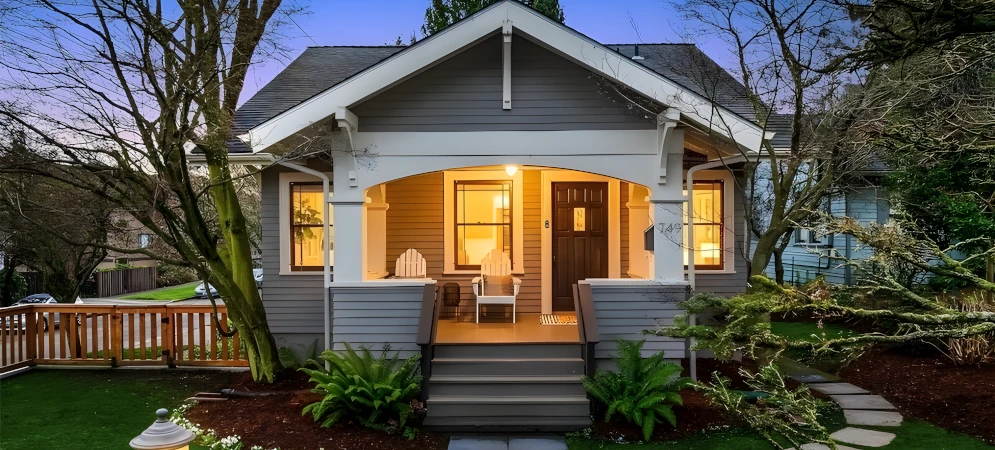
A full exterior renovation is one of the most impactful investments a homeowner can make. It improves curb appeal, protects the structure from moisture and decay, increases property value, and in many cases addresses deferred maintenance that—left unchecked—leads to far more costly repairs down the road. But what exactly does a full exterior renovation include? The answer depends on the condition of your home and your goals, but here’s a comprehensive look at what the scope typically covers.


Siding Replacement or Repair

Siding is the most visible component of any exterior renovation and often the one in the most need of attention. In the Pacific Northwest, years of rain and moisture take a significant toll on wood siding, fiber cement, and older materials that weren’t designed for this climate. A full exterior renovation typically includes a thorough assessment of existing siding—identifying rot, damage, and failing sections—followed by repair or full replacement depending on what the inspection reveals.

Material selection matters here. Fiber cement siding has become the preferred choice for Washington homeowners due to its durability, moisture resistance, and low maintenance requirements. Engineered wood offers a more natural appearance with improved performance over traditional wood. Each option comes with different cost profiles, maintenance expectations, and aesthetic outcomes—and we walk every homeowner through the tradeoffs before any material is selected.


Roofing Assessment and Replacement

A full exterior renovation without addressing the roof is an incomplete project. The roof is the primary barrier between your home and the elements, and in Seattle’s climate it works harder than almost anywhere else. If the existing roof is aging, showing signs of wear, or nearing the end of its service life, a full renovation is the right time to address it—before new siding and trim go on around a roof that will need replacing in two years anyway.

Roofing work in a full exterior renovation typically includes a full inspection, removal of existing material, assessment of the decking beneath, and installation of new roofing with proper underlayment and flashing. Gutters and downspouts are evaluated and replaced as part of this phase to ensure water is being managed correctly from the roofline to the ground.


Windows and Doors

Windows and exterior doors are both functional and aesthetic components of a full renovation. Older windows that are drafty, fogged between panes, or difficult to operate are not just an inconvenience—they’re an energy efficiency problem and a moisture risk. Replacing windows as part of a full exterior renovation ensures the envelope of the home is tight, efficient, and properly flashed and sealed against water intrusion.

Exterior doors—front entry, side entry, and garage doors—are evaluated for condition, security, insulation value, and appearance. A new front door in particular has an outsized impact on curb appeal and can anchor the overall design direction of the renovation.


Trim, Fascia, and Soffit

These are the details that separate a renovation that looks finished from one that looks patched. Trim around windows and doors, fascia boards along the roofline, and soffit panels beneath the eaves are all vulnerable to moisture damage and rot—and they’re often the first areas to show deterioration. In a full exterior renovation, these components are inspected, repaired, or replaced and finished to match or complement the new siding and overall design.

Getting trim details right requires precision and an eye for proportion. Poorly installed or mismatched trim undermines an otherwise quality renovation—so we treat these elements with the same attention as any other phase of the project.


Paint and Exterior Finishes

Whether new siding is being installed or existing surfaces are being refreshed, paint and exterior finishes are the final layer of protection and the element that ties the entire renovation together visually. Exterior paint in the Pacific Northwest needs to be selected for moisture resistance, UV stability, and longevity—not just color. Proper surface preparation, priming, and application technique determine how long the finish holds up far more than the paint brand alone.

Color selection is a meaningful decision that affects how the home relates to its surroundings, its architectural style, and the neighborhood context. We work with homeowners to choose palettes that feel intentional and age well.


Decks, Porches, and Exterior Structures

A full exterior renovation often extends to attached structures—decks, covered porches, pergolas, and entryway overhangs. These elements are evaluated for structural integrity, surface condition, and weatherproofing. Decking that is rotting, soft, or structurally compromised is replaced. Railings are checked for code compliance and safety. Covered structures are assessed for drainage and ventilation to prevent the moisture buildup that shortens their lifespan.


Hardscape and Site Transitions

The area immediately around the home—walkways, steps, retaining walls, and grading—plays a role in how water behaves around the foundation. A full exterior renovation takes a holistic view of the property, addressing drainage issues, re-grading where needed, and replacing or repairing hardscape elements that direct water toward the structure rather than away from it.


What a Full Exterior Renovation Delivers

A well-executed exterior renovation does more than make a home look new—it protects the structure, improves energy efficiency, and adds measurable value to the property. At Washington Construction, we approach every exterior project with a detailed assessment, a clear scope, and a coordinated execution plan that keeps the project moving efficiently. From siding and roofing to trim details and site drainage, we manage every component under one roof so nothing falls through the cracks—and the finished product reflects the investment you’ve made in your home.