
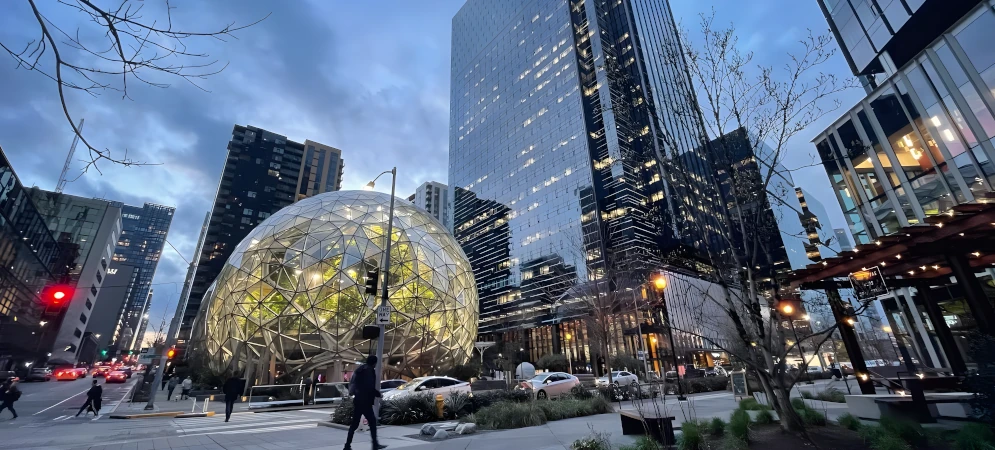
Step-by-Step Guide to Getting a Construction Permit in Seattle
Navigating Seattle’s permitting process doesn’t have to be overwhelming—but going in without a plan will cost you time and money.
Whether you’re remodeling a commercial space, adding square footage to a home, or making structural changes to an existing building, chances are you need a permit. Seattle’s Department of Construction and Inspections (SDCI) oversees the permitting process, and while the system has become more streamlined in recent years, it still requires careful preparation, accurate documentation, and patience. Here’s what the process looks like from start to finish.
Step 1: Determine Whether You Need a Permit
Not every construction project requires a permit, but most do. Minor cosmetic work—painting, flooring, cabinet replacement—typically doesn’t. The moment you touch structural elements, electrical systems, plumbing, or mechanical work, a permit is almost always required. When in doubt, check with SDCI directly or consult your contractor before assuming you’re in the clear.
Step 2: Identify the Right Permit Type
Seattle issues several types of permits depending on the scope of work. The most common include:
- Construction permits for new builds, additions, and significant alterations
- Mechanical permits for HVAC, ventilation, and fuel gas systems
- Electrical permits issued through the Washington State Department of Labor & Industries
- Demolition permits for full or partial structure removal
- Side sewer permits for work involving sewer connections or repairs
Identifying the correct permit type upfront prevents delays caused by submitting the wrong application or missing a required secondary permit.
Step 3: Prepare Your Submittal Package
This is where most applicants slow down. A complete submittal package typically includes site plans, floor plans, elevation drawings, structural calculations, and project descriptions that meet SDCI’s formatting and content requirements. For larger or more complex projects, stamped drawings from a licensed architect or structural engineer are required.
Incomplete submittals are one of the most common causes of permitting delays. SDCI will return incomplete applications with a correction notice—and every round of corrections adds weeks to your timeline. Getting it right the first time matters.
Step 4: Submit Your Application
Seattle accepts permit applications through its online portal, Seattle Services Portal. For over-the-counter permits—smaller, straightforward scopes—same-day or next-day approval is sometimes possible. For projects requiring plan review, expect a longer timeline depending on project complexity and current SDCI workload.
At the time of submission you’ll pay an initial permit fee. Additional fees may be assessed once the application is reviewed and the full scope is evaluated.
Step 5: Navigate the Plan Review Process
Once submitted, your application enters plan review. A plans examiner will review your documents for compliance with Seattle’s building code, zoning regulations, and any applicable overlay districts. If corrections are required, you’ll receive a comment letter outlining what needs to be addressed before approval can move forward.
Responding to correction comments quickly and completely is critical. Projects that sit in correction status without a response stall indefinitely—and in a busy permitting environment, every week of delay matters.
Step 6: Permit Issuance and Construction
Once your plans are approved, your permit is issued and construction can begin. The issued permit and approved plans must be kept on site at all times during construction. Work must match what was approved—any changes to scope mid-project may require a plan revision or an addendum permit before proceeding.
Step 7: Schedule and Pass Required Inspections
Inspections are required at specific phases of construction—not just at the end. Common inspection points include:
- Foundation and footing before concrete is poured
- Framing before walls are closed
- Rough mechanical, electrical, and plumbing before insulation
- Insulation before drywall
- Final inspection upon project completion
Inspections are scheduled through SDCI’s online portal or by phone. Missing a required inspection—or closing up walls before an inspector signs off—can result in costly rework and stop-work orders.
Step 8: Final Sign-Off and Permit Closeout
Once all inspections are passed, your permit is finaled and the project is officially closed out. For commercial projects, this documentation is important to retain—it confirms the work was done legally and to code, which matters at the time of sale, refinancing, or lease renewal.
Let Your Contractor Handle It
The permitting process is manageable—but it’s time-consuming, detail-driven, and unforgiving of mistakes. At Washington Construction, we manage the entire permit process on behalf of our clients—from identifying the right permit type and preparing accurate submittals to responding to correction comments and scheduling every required inspection. You focus on your project. We’ll handle the paperwork.