Strong Foundations. Superior Results.

Yarrow Point Kitchen Plumbing Relocation
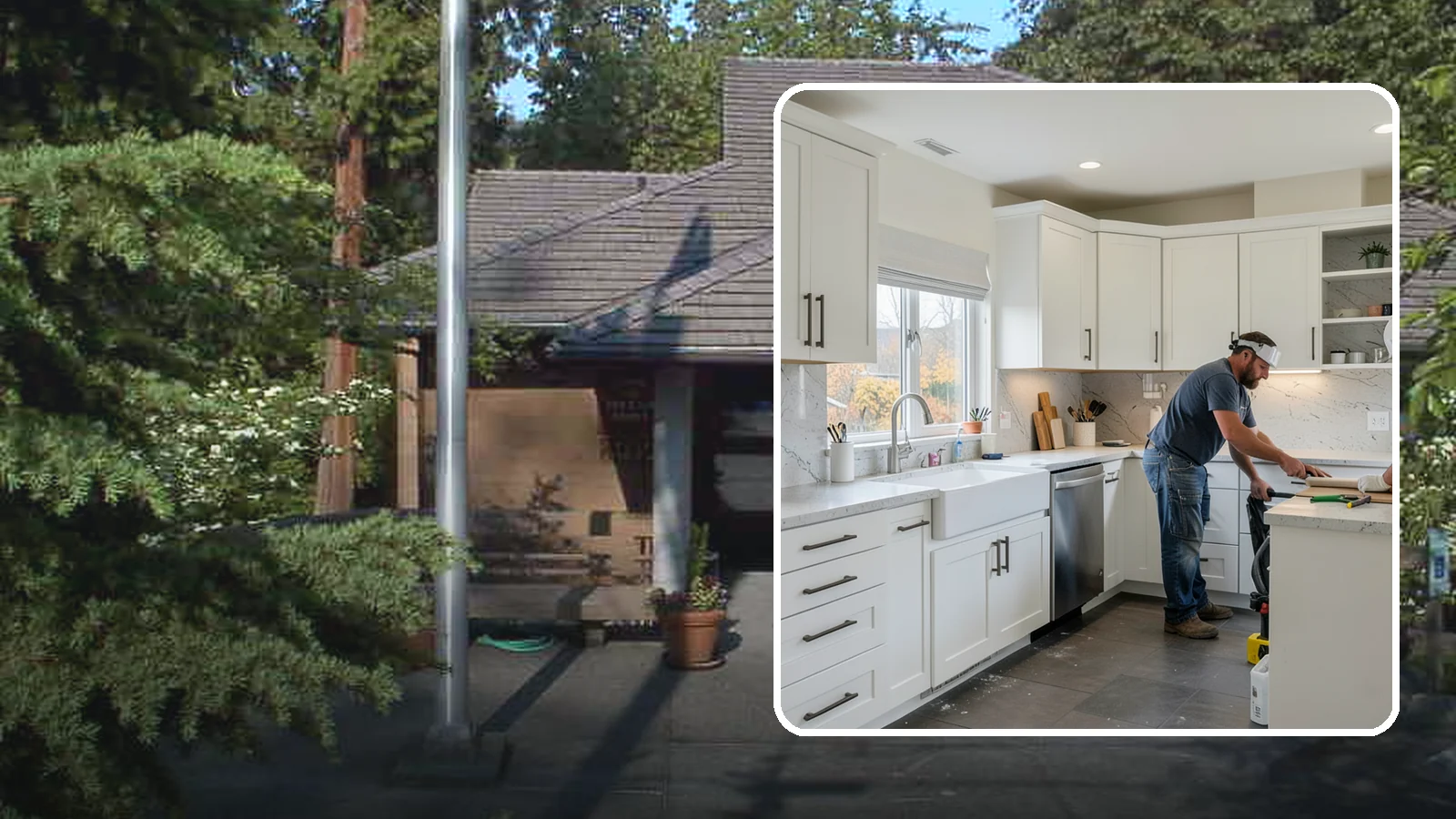
Relocating kitchen sinks, dishwashers, or supply and drain lines to support a new layout.
Can you move the sink or dishwasher to a new spot in your Yarrow Point kitchen? Usually yes, though it is more than a simple swap. Moving a kitchen plumbing line means new supply lines, a new drain path with the right slope, and a vent, all routed through floors, walls or the crawlspace.
Washington Construction, based in Bothell, WA, has been in business for 22 years. This page explains what to plan for when relocating kitchen plumbing, and how local weather can shape the work.
Planning a Kitchen Plumbing Move in Yarrow Point
A relocation starts with the layout. Where the sink, dishwasher and any fridge water line end up decides how much of the floor and wall has to be opened. Settle the layout before cabinets are ordered, so the plumbing and the cabinetry match.
Drains and venting set the limits
Drain lines rely on slope, and each fixture needs a vent. The farther a sink moves from its existing drain and stack, the more work it takes to keep that slope and venting. An island sink is a common example. It often needs a drain run under the floor and a vent route that suits the island. Joists, beams and the crawlspace or ceiling below all affect what is possible.
Rain and cold can affect access
Yarrow Point sees about 108 days a year with 0.1 inch or more of rain, per Daymet data from 2005 to 2025. Much of this work is indoors, but it can involve opening an exterior wall, running lines through a crawlspace, or moving materials in and out. Wet days make those steps harder to manage, so protecting the open areas matters.
Daymet also shows about 28 days a year that freeze at night and thaw by day. If new lines run along an exterior wall or through an unheated crawlspace, insulation and placement are worth discussing. Pipes in cold spaces are more exposed than those in interior walls.
Before work begins
- Decide the final sink and appliance positions.
- Check what is under the floor where the new lines will run.
- Choose cabinets and appliances early, since their dimensions affect connection points.
- Plan for the countertop and backsplash to be finished after the plumbing is set.
Settling these points early keeps the plumbing work in one stage. It also reduces the chance of reopening finished surfaces later.
Yarrow Point Kitchen Plumbing Relocation

Local Service Information
Yarrow Point
A small residential town on a peninsula in Lake Washington near Bellevue.
Benefits
Plumbing that supports your new layout; correct drain slope and venting; leak-free, code-compliant connections; permitted and inspected hidden work

Process