Strong Foundations. Superior Results.

Yarrow Point Air Sealing
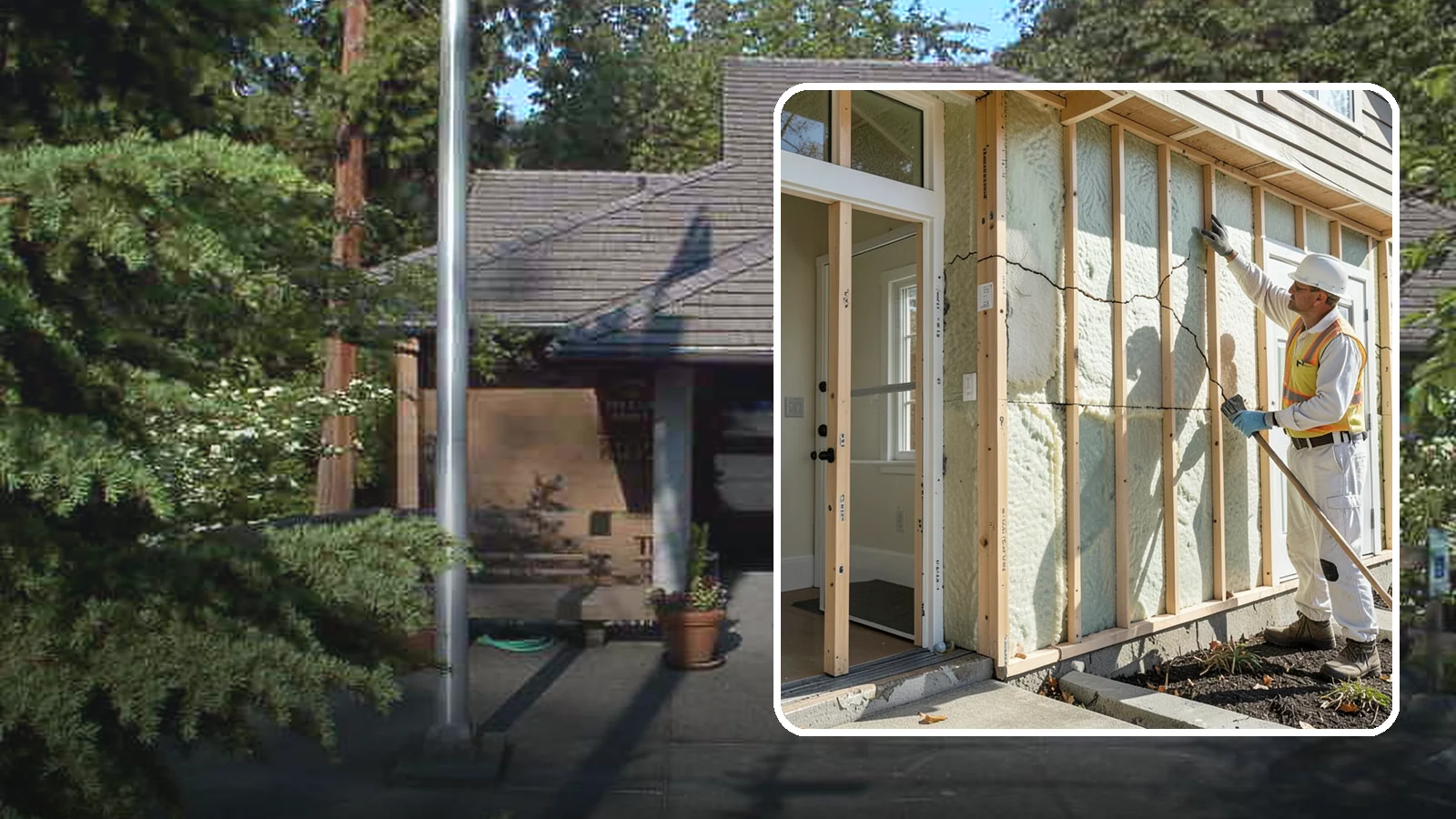
Precision air sealing that stops the drafts driving up your energy bills and chilling PNW homes.
Air sealing can be done most of the year, since it mostly happens inside the house. Many homeowners in Yarrow Point plan it for fall, before heating season starts, because drafts show up as soon as the furnace runs more. Yarrow Point sees about 108 days a year with 0.1 in or more of rain (Daymet, 2005-2025), so indoor work is a good fit for wet months.
Air sealing closes the small gaps where conditioned air leaks out and outside air leaks in. Washington Construction gives free estimates, so you can have the work looked at before you decide on anything.
Planning Air Sealing for Your Yarrow Point Home
Start by deciding what problem you want to solve. Common reasons are cold rooms, drafts near outlets and windows, dust coming in from the attic or crawl space, and a furnace that seems to run constantly. Write down where you notice these. That list helps the estimator know where to look first.
What affects scope
Scope depends on how many leak points the house has and how easy they are to reach. Attic floors, rim joists, penetrations for wires and pipes, recessed lights, and gaps around chimneys and ducts are typical spots. An open attic is simpler to work in than a finished space with closed walls. Insulation sitting on top of leaks may need to be moved aside so the gaps can be sealed first.
Yarrow Point is a small town of about 462 homes, which is too few for reliable Census percentages on housing age. So we will not guess about your house from the neighborhood. Its own construction, and any past remodels, will tell the real story. Older additions and updated sections often leak in different places.
Weather also plays a small role. Yarrow Point averages about 28 days a year that freeze at night and thaw by day (Daymet). Those swings stress seams and gaps over time, and they can make leaks more noticeable on cold mornings. Sealing is mostly indoor work, so rain days rarely stop it.
What to expect
Expect a walk-through first, with the estimator checking the attic, basement or crawl space, and the exterior wall penetrations. Work is usually done with sealant, caulk, foam, and similar materials suited to each gap. Some areas may need access panels opened or insulation moved. Ask how those areas will be restored afterward.
Air sealing also affects ventilation. A tighter house may need attention to bath fans, range hoods, and combustion appliances, so ask about that during the estimate.
Practical tip: before the visit, run a bath fan and walk through the house on a cold, windy day, noting where you feel moving air. Bring those notes to the estimate.
Yarrow Point Air Sealing

Local Service Information
Yarrow Point
A small residential town on a peninsula in Lake Washington near Bellevue.
Benefits
Cuts conditioned air loss through hidden gaps; Balances room-to-room temperatures; Keeps humid outdoor air from entering wall cavities; Improves the performance of any insulation upgrade; Lowers strain on heating and cooling equipment
Process
Air Sealing in nearby areas
Also serving Yarrow Point
- Attic Ventilation Assessment in Yarrow Pointat Washington Roofing