Strong Foundations. Superior Results.

Yarrow Point Basement Waterproofing
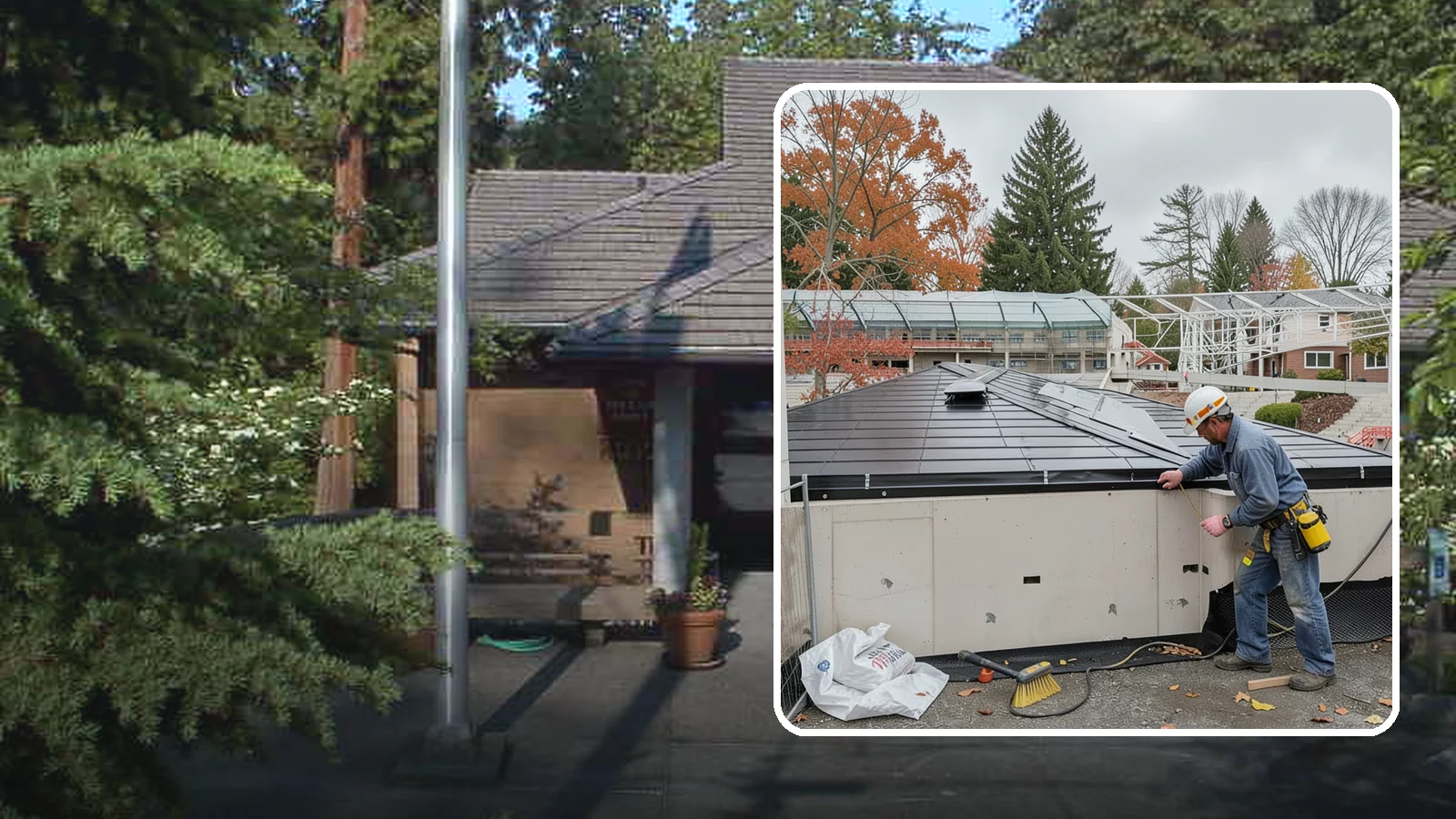
Basement waterproofing stops water intrusion and manages moisture to keep your lower level dry.
Yarrow Point sees about 108 days a year with 0.1 in or more of rain, based on Daymet data from 2005 to 2025. For a basement, that means the ground around your foundation is wet for a large part of the year. Water that finds a way in tends to do it repeatedly, not once.
Basement waterproofing starts with finding where the water enters and why. Washington Construction, based in Bothell, WA, can look at your walls, floor and drainage and explain the options. This page covers how the work goes and what to weigh before you decide.
How Basement Waterproofing Works in Yarrow Point
Waterproofing is a set of steps, and the right ones depend on where your water comes from. Here is the usual order of work.
- Find the source: cracks, joints, window wells, a failing floor-wall joint, or poor drainage along the foundation.
- Manage water outside: gutters, downspouts and grading that move roof and surface water away from the walls.
- Treat the foundation: sealing cracks and, where needed, exterior membranes or drainage along the footing.
- Add interior drainage if needed: a perimeter drain and sump system that collects water and pumps it out.
- Check the result through wet weather and adjust if something was missed.
The rain count matters here. With about 108 rainy days a year in Yarrow Point, a fix that only works in a dry spell will not tell you much. Drainage and pump capacity should be planned for repeated wet periods, not a single storm.
Wind is a smaller factor, but it counts for the exterior. The forecast zone that includes Yarrow Point logged 33 high and strong wind episodes from 2005 to 2025. Wind-driven rain can push water at siding, window wells and wall penetrations. Those spots are worth checking along with the foundation itself.
Snow is light. Average snowfall is 5.4 in per season in Yarrow Point. Snowmelt is not likely to be your main water load, but it adds to a wet winter. Make sure downspout extensions and window well drains are not blocked or frozen when it does melt.
Exterior work is easier in drier months, since open excavation and rain do not mix well. Interior drainage can go in at other times of year. If the cost is a concern, financing is available, subject to credit approval.
Yarrow Point Basement Waterproofing
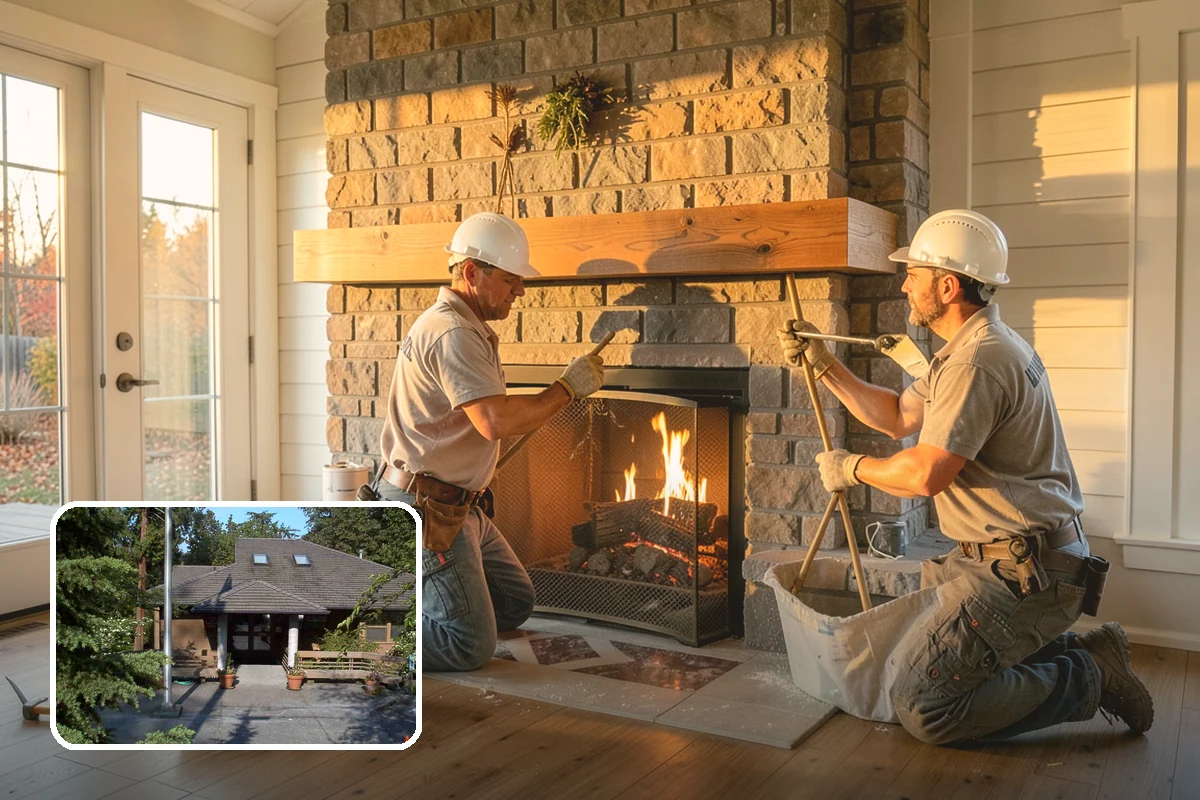
Local Service Information
Yarrow Point
A small residential town on a peninsula in Lake Washington near Bellevue.
Benefits
Stops active water intrusion; Protects finishes and structure from moisture; Reduces humidity and mold risk; Provides the essential foundation for any basement finish

Process
Basement Waterproofing in nearby areas
Also serving Yarrow Point
- Yard Drainage Correction in Yarrow Pointat Washington Landscaping
- Erosion Control in Yarrow Pointat Washington City Services