Strong Foundations. Superior Results.

Snohomish Trim Installation
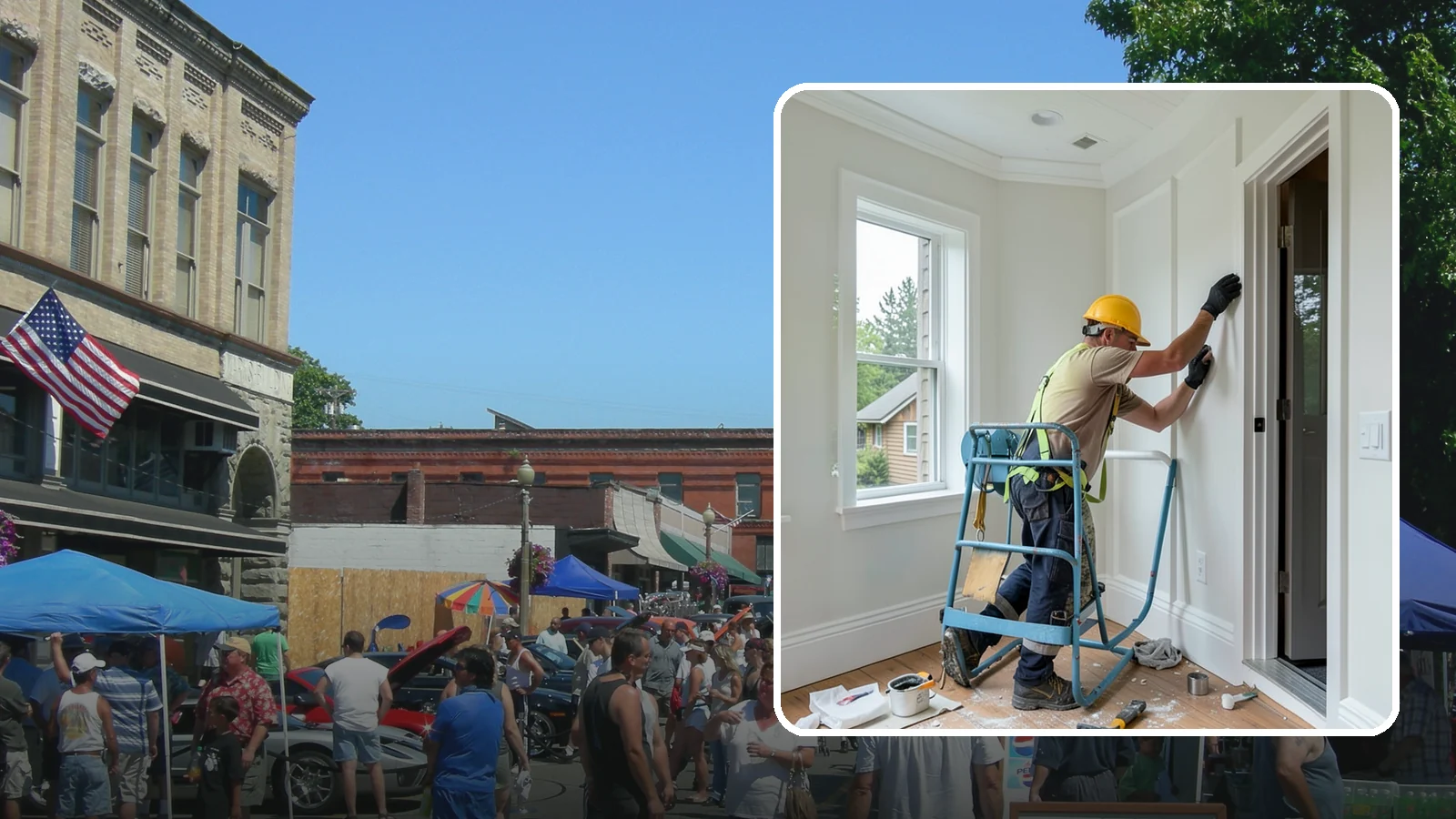
Clean trim installation around doors, windows, floors, and ceilings that frames each room with a finished, intentional edge.
Trim installation is interior work, so it can happen in any season in Snohomish. Many homeowners find that the wet months, when outdoor projects slow down, are a practical time to schedule it. Rooms stay accessible and the weather does not affect the work itself.
Trim covers baseboards, casing around doors and windows, crown molding, and similar finish details. Washington Construction has been in business for 22 years. This page explains how to plan a trim project in Snohomish, what changes the scope, and what to expect once work begins.
Planning Trim Installation in Snohomish Homes
Start by deciding where the trim goes and what it should look like. A single room is a different job from a whole house. Pick a profile and a finish early, because paint-grade and stained trim are handled differently.
What affects scope
The age of the house matters most. Census data (ACS 2020-2024) shows about 52% of Snohomish housing units were built before 1980, and that figure includes apartments. Older homes often have walls and floors that are no longer square, so trim has to be scribed and fitted to the gaps rather than simply cut to length. Homes built before 1978 may also have lead paint on existing trim, which changes how old pieces are removed and how dust is handled.
About 31% of units were built between 1990 and 2009, so they are now 15 to 35 years old. In those homes the existing trim is often builder-grade. Owners may be replacing it with taller baseboards or heavier casing, which can mean adjusting door jambs, outlets, and the transitions at flooring.
Census figures also show about 55% of occupied homes in Snohomish are owner-occupied, and the median value of those homes is about $683,900 (ACS 2020-2024). That is a general local figure, not a statement about your house. If you plan to stay, it is reasonable to choose materials that hold up well and match the rest of the house.
What to expect
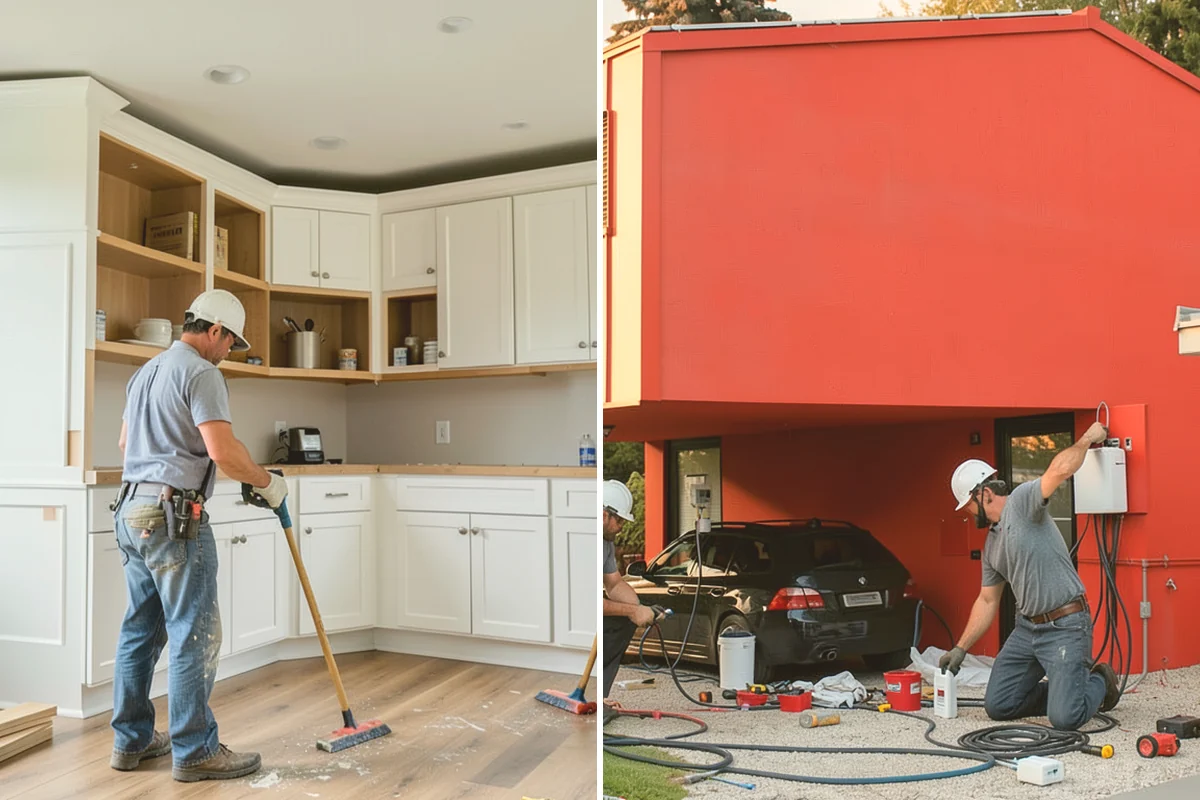
Work usually begins with measuring, then removing old trim if there is any. Next come cutting and fitting, nailing, filling nail holes, caulking seams, and painting or finishing. Expect some dust and noise, and some rooms may be off limits for a day or two. Gaps that show up as the new trim goes on are normal in older homes and are handled during fitting.
One practical tip: have the trim delivered and let it sit in the house for a few days before installation, so the wood can adjust to your indoor humidity.
Snohomish Trim Installation
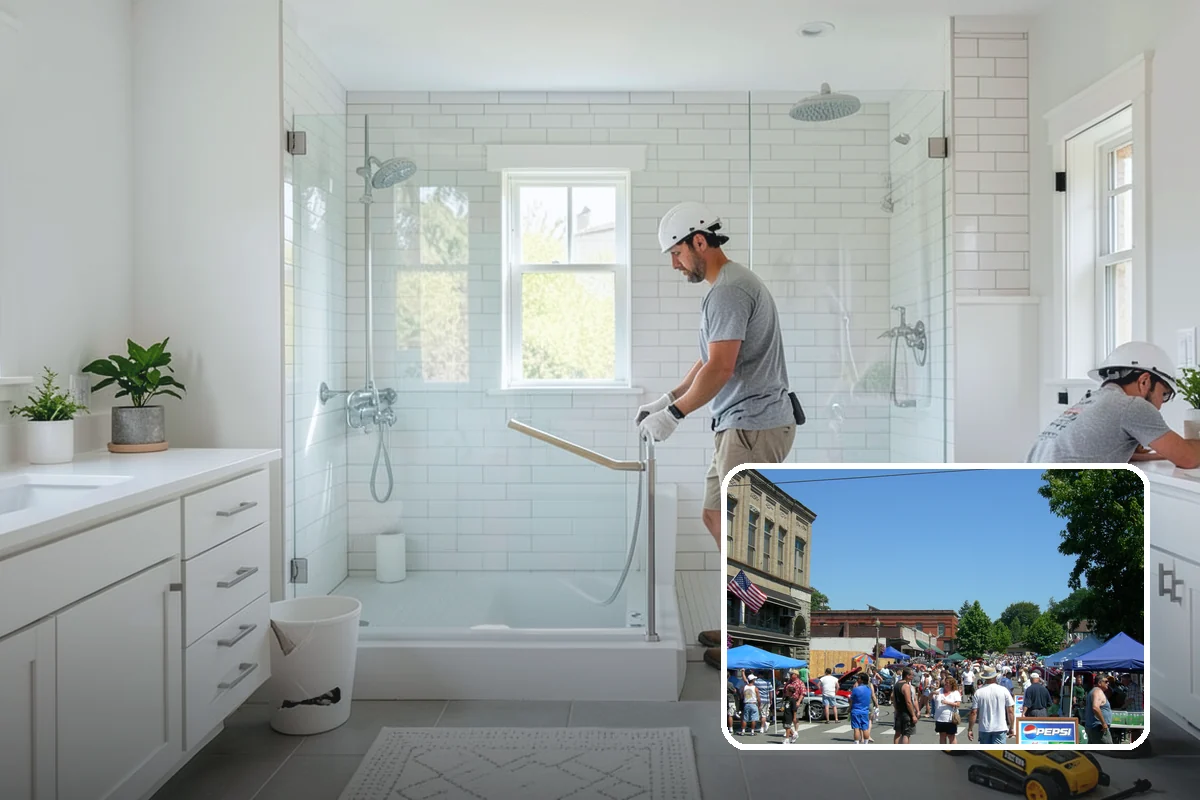
Local Service Information
Snohomish
A historic city on the Snohomish River known for its antique district and river valley setting.
Benefits
Consistent reveals and level lines across every opening; Coped joints that resist opening as humidity shifts; Profiles selected to complement your existing architecture; Back-priming that guards against PNW moisture; Fast, tidy installation with minimal disruption
Process
Trim Installation in nearby areas
Also serving Snohomish
- Roof Edge Repair in Snohomishat Washington Roofing