Strong Foundations. Superior Results.

Renton Excavation
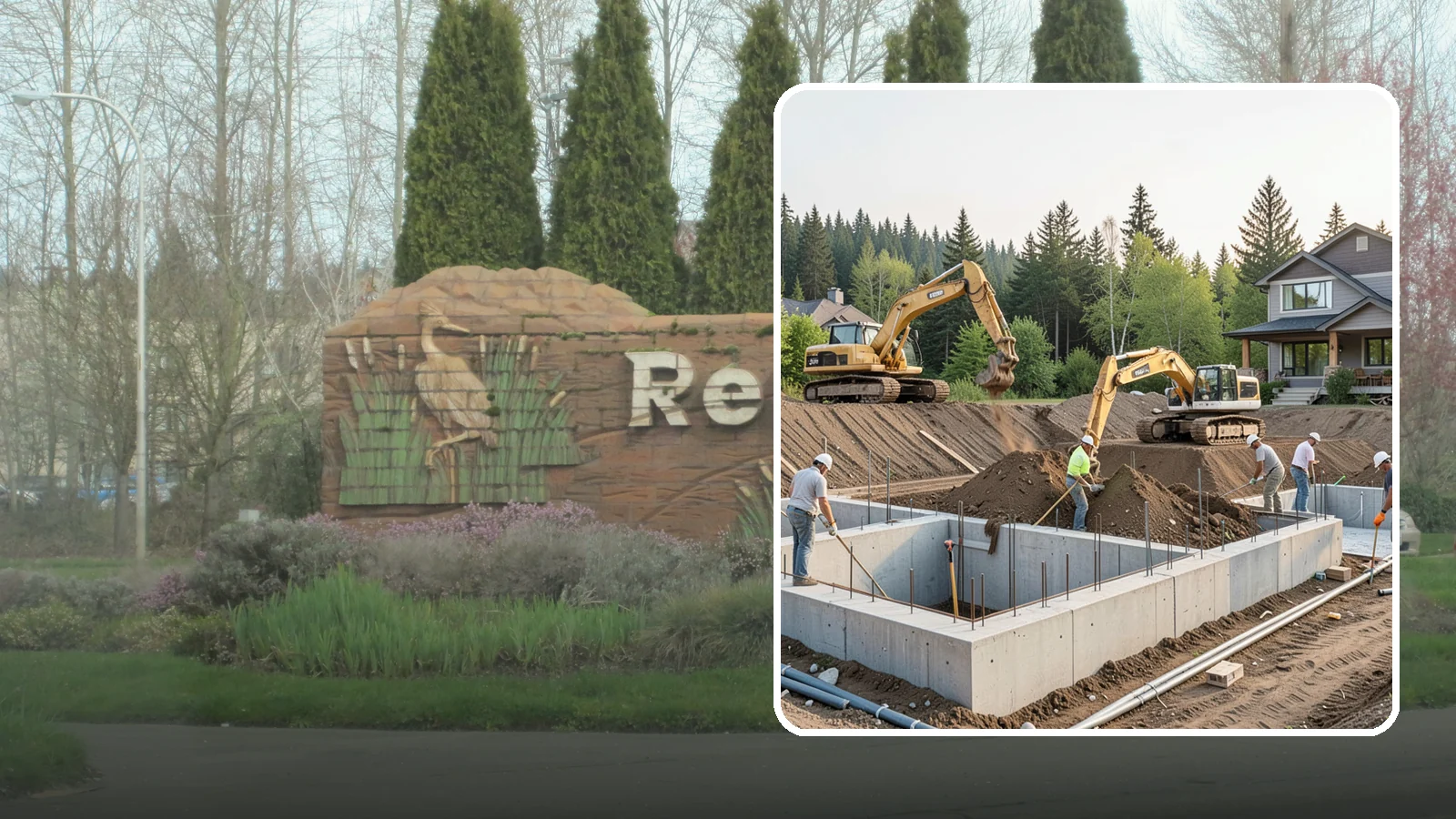
We excavate for foundations, utilities, and grading with the equipment and control your Puget Sound site demands.
Excavation in Renton is easiest to plan for the drier part of the year. Daymet records for 2005-2025 show about 42.4 inches of rain a year, so wet months can turn an open dig into mud and standing water. Scheduling around that helps keep the site workable.
This page explains how to plan excavation for a Renton home, what changes the scope of the work, and what to expect once crews start. Washington Construction, based in Bothell, WA, has been in business for 22 years.
Planning Excavation for a Renton Home
Start with what the dig is for. A new foundation, a drainage trench, a utility line and a grading change each call for different depths, equipment and soil handling. Knowing the purpose first lets the scope be defined clearly before anyone moves dirt.
What affects scope
Soil type, slope, access for machines and where the spoil goes all shape the work. Tight lots can mean smaller equipment and more hauling. Open lots may allow soil to be stockpiled on site.
Landslide risk is one thing to check. FEMA's National Risk Index rates Renton as Relatively Low for landslide. That is a risk rating, not a prediction, and it does not describe your particular lot. A sloped yard still deserves a close look at how cuts are supported and how water will drain.
Age of nearby structures can matter too. The Census ACS for 2020-2024 shows about 39% of housing units in Renton were built before 1980, and that figure includes apartments. If your home is older, it is reasonable to expect that old drain lines, buried tanks or past repairs may turn up near the work. Mapping what is underground before digging is standard practice.
What to expect
Rain affects timing more than most people expect. Renton averages about 4.8 days a year with an inch or more of rain, so heavy single-day storms are not the norm. But the steady total of about 42.4 inches means soil stays wet through much of the cool season. Wet soil is heavier, harder to haul and harder to compact. Open excavations may need covering or pumping.
Expect noise, truck traffic and some disturbed ground around the dig. Site protection, such as erosion control and marked utility lines, should be part of the plan from the start.
Practical tip: walk your property before the estimate visit and note where water pools after rain. Point those spots out. They tell the crew more about drainage than a dry-day look ever will.
Renton Excavation
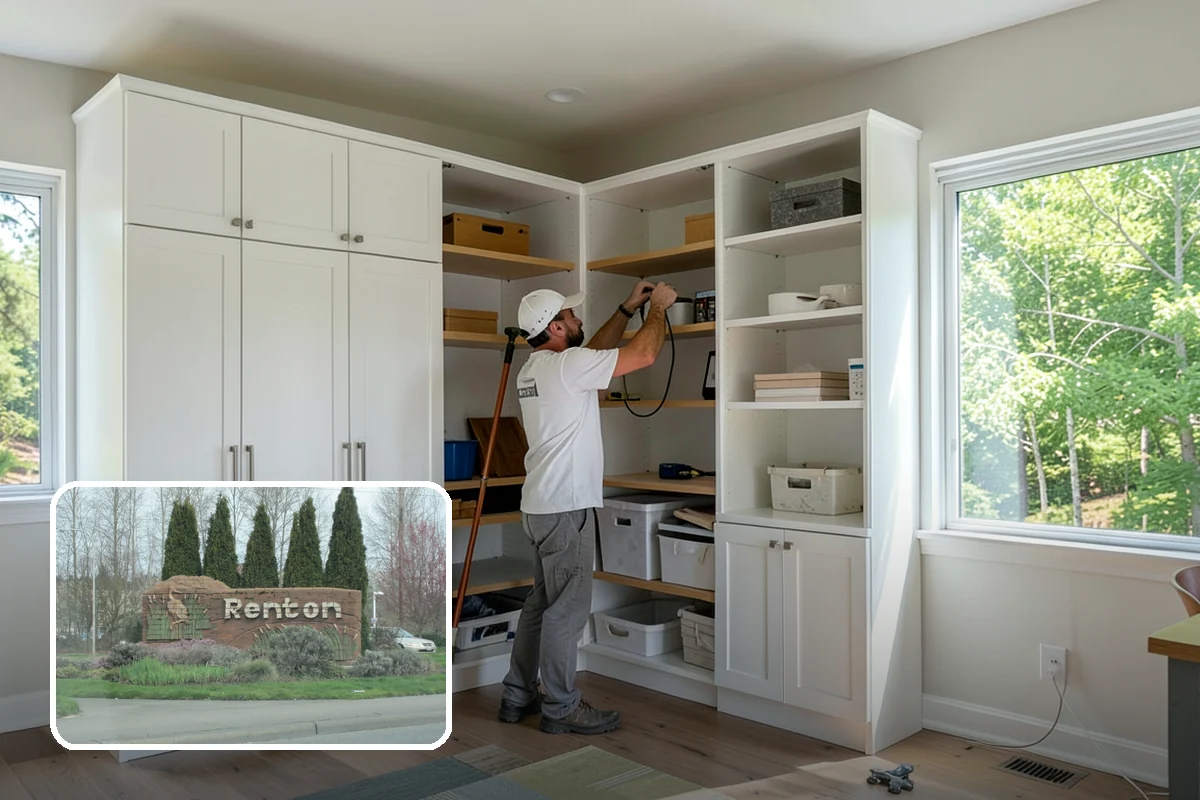
Local Service Information
Renton
A city at the south end of Lake Washington where the Cedar River meets the lake.
Benefits
Digging to exact grade for footings and utilities; Groundwater and soft soils managed on site; Shoring and erosion control that keep the dig safe and compliant; Spoils hauled or stockpiled for reuse as needed; A stable, ready base for the next phase of work
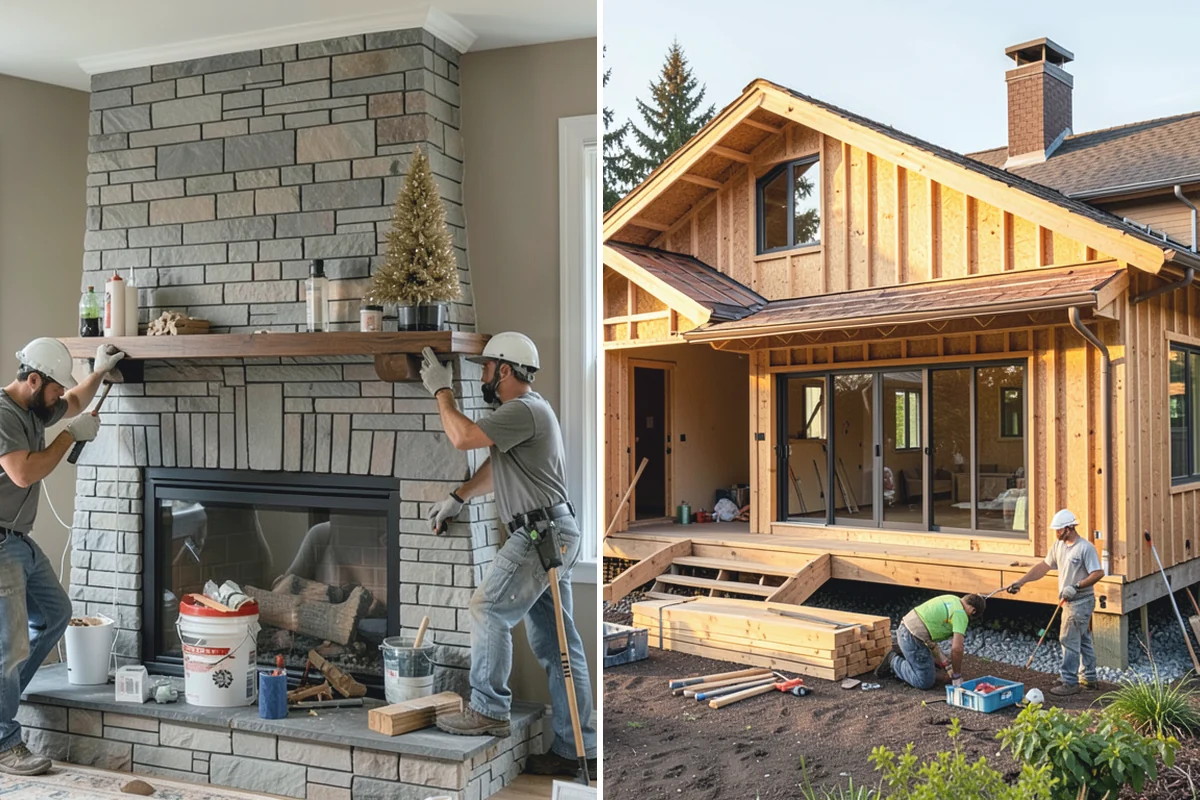
Process
Also serving Renton
- Right-of-way clearing in Rentonat Washington Tree Services
- Blackberry Removal in Rentonat Washington Landscaping