Strong Foundations. Superior Results.

Mountlake Terrace Soffit Repair
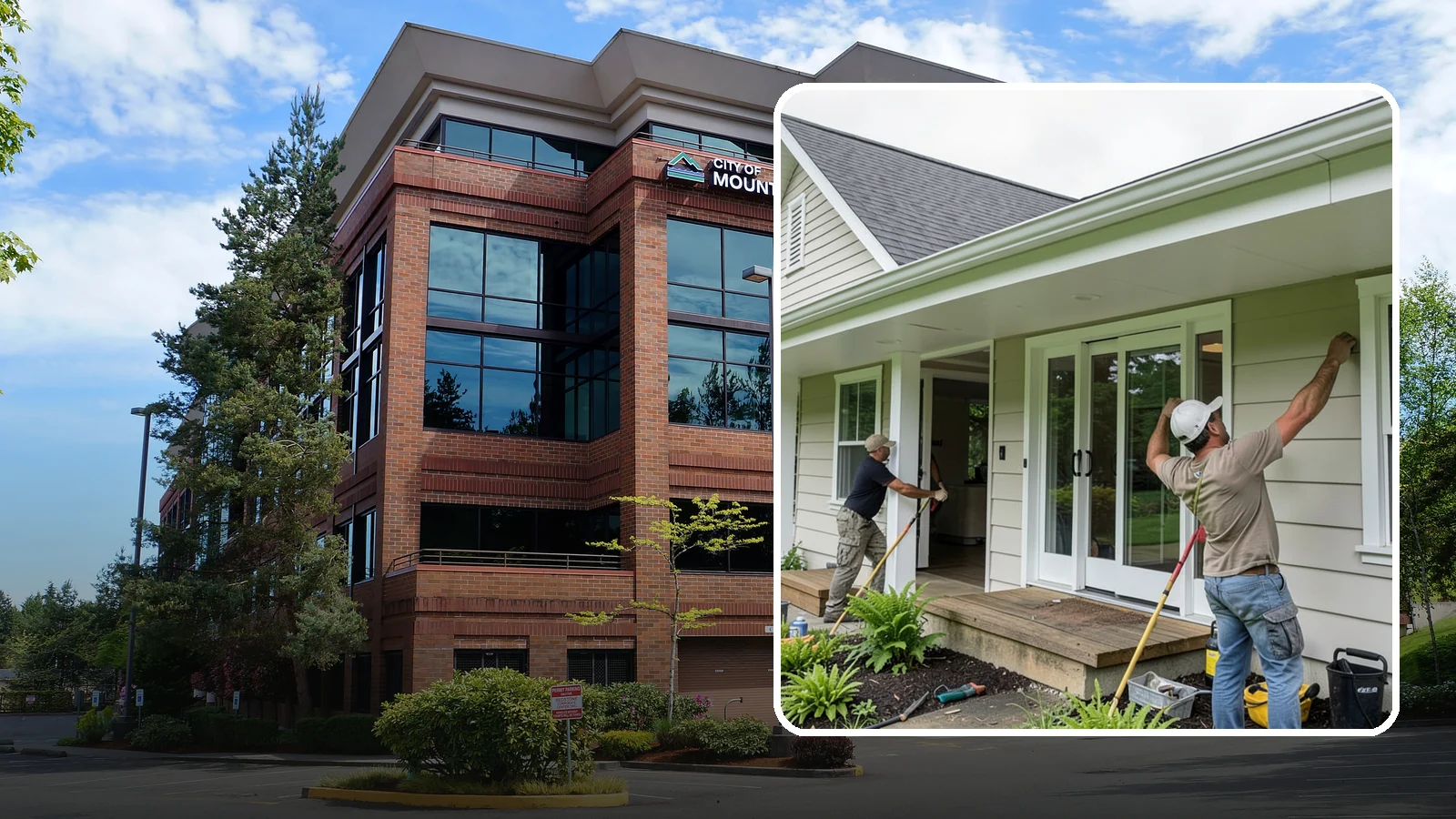
Soffit repair that restores the ventilated underside of your eaves and keeps pests out.
Mountlake Terrace sees about 107 days a year with 0.1 in or more of rain, per Daymet data from 2005 to 2025. Soffits sit under the roofline and catch moisture from gutters, fascia and roof edges. When water gets in, the soffit is often where it shows first.
Soffit repair here is mostly about finding where the water came from, not just replacing the damaged panel. Washington Construction gives free estimates, so you can have the damage looked at before you decide how much to fix.
Soffit Repair in Mountlake Terrace: What to Check and Fix
A soffit is the board or panel that closes the underside of your roof overhang. It also usually holds the vents that let the attic breathe. Damage tends to show up as peeling paint, dark stains, sagging panels, gaps, or signs that birds or insects have gotten in.
How the repair usually goes
The work is easier to plan when you know the steps.
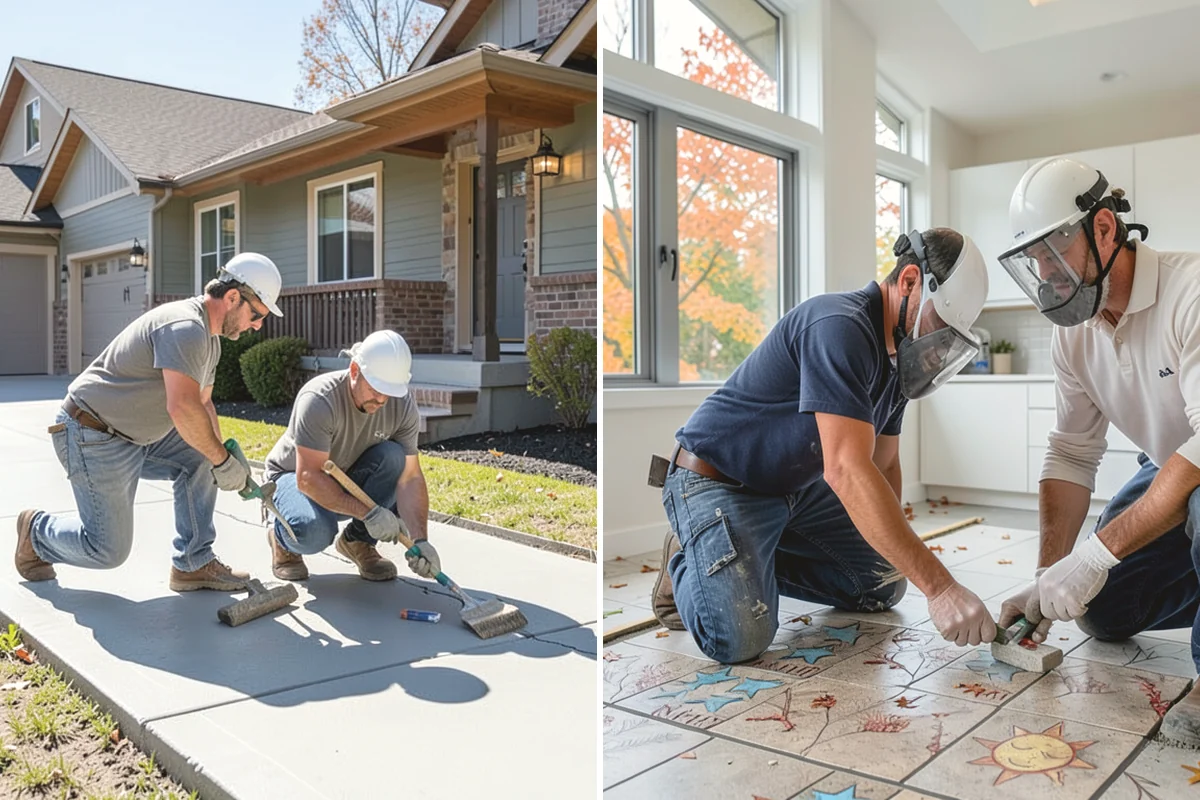
- Find the source of moisture, such as a leaking gutter, failed fascia or roof edge flashing.
- Remove the damaged soffit sections and check the framing behind them.
- Replace any rotted lookouts or blocking.
- Install new soffit material, keeping vent openings clear.
- Prime and paint any bare wood, or finish the panels.
Why rain matters here
With about 107 rainy days a year, soffits get wet often. A small leak that runs through many of those days can soften wood behind the panel. That is why checking the framing is part of the job, not an extra. Repairs done in a dry spell are easier to finish, since paint and sealant need dry surfaces.
Trees and debris
Tree canopy covers about 29.6% of Mountlake Terrace, per USFS and NLCD data from 2025. If your lot has mature trees, leaves and needles can clog gutters and hold water against the roof edge. Overflow then runs down the fascia and into the soffit. Fixing the soffit without cleaning or correcting the gutters can mean the same damage returns.
Older homes
About 60% of housing units in Mountlake Terrace were built before 1980, per the Census ACS 2020-2024. That figure includes apartments, so it does not describe any single house. If your home is older, the soffit may be original wood, and the paint on it may be old. Homes built before 1978 may have lead paint, so sanding and removal need care. Older soffits may also lack good venting, which is worth reviewing while the panels are open.
Mountlake Terrace Soffit Repair
Local Service Information
Mountlake Terrace
A residential city in southwest Snohomish County near the King County line.
Benefits
Restores proper attic ventilation; Closes gaps that let pests in; Replaces damaged or sagging panels; Protects the eave structure from moisture; Improves the finished eave appearance
Process

Also serving Mountlake Terrace
- Hail Damage Repair in Mountlake Terraceat Washington Roofing
- Exterior Dust Removal in Mountlake Terraceat Washington Pressure Washing