Strong Foundations. Superior Results.

Gig Harbor Brick Masonry
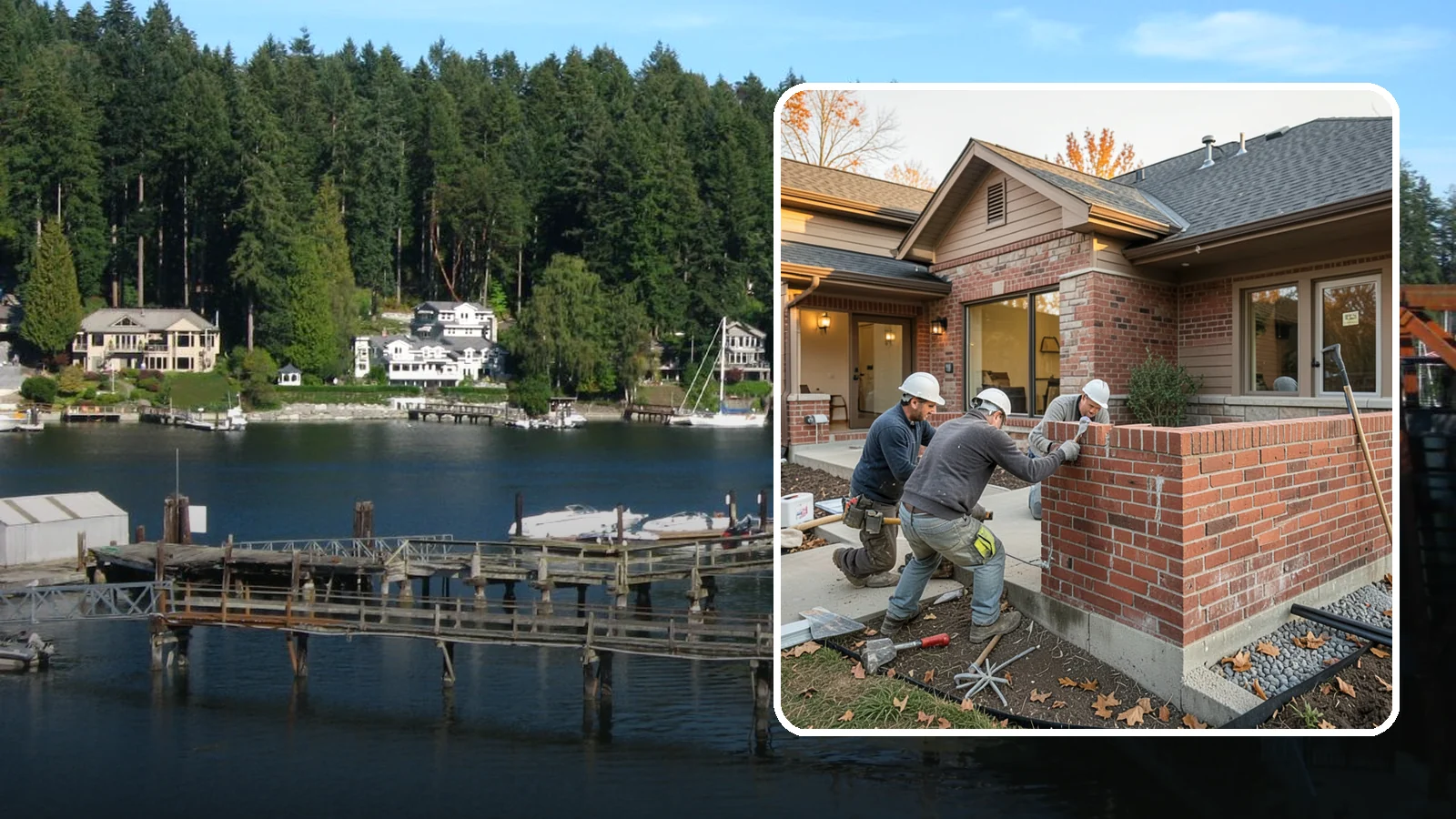
Skilled brickwork for walls, veneers, and features built to endure the Northwest’s damp, freeze-prone seasons.
Brick masonry in Gig Harbor is best planned around the weather. Mortar needs time to cure, and rain on fresh joints can wash out or stain the work. Gig Harbor sees about 111 days a year with 0.1 in or more of rain (Daymet, 2005-2025), so dry stretches are worth targeting.
Washington Construction has been in business for 22 years. This page covers how to plan a brick project here, what shapes its scope, and what to expect once work starts.
Planning Brick Masonry in Gig Harbor, WA
Start by deciding what the brick is for. A new chimney, a repaired wall, a veneer, a walkway and a patio all call for different prep, materials and sequencing. Be clear about your goal before you ask for a scope.
Weather is the first planning factor. With about 111 rainy days a year in Gig Harbor (Daymet, 2005-2025), you should expect some schedule flexibility. Masonry crews often hold work on days when rain would soak fresh mortar. Ask how rain delays and covering of unfinished work will be handled.
Freeze and thaw is the second. Gig Harbor has about 31 days a year that freeze at night and thaw by day (Daymet). That is not a lot, but water that gets into brick or failed joints and then freezes can widen cracks and loosen pieces over time. If you are repairing existing brick, the crew should look for open joints, spalled faces and water entry points, and the repair scope should address the cause as well as the damage.
What affects scope
Scope usually comes down to condition and access. Existing brickwork may need joints repointed, loose units reset or sections rebuilt. A new structure may need a proper footing and drainage. Matching old brick and mortar color can take extra effort on a repair.
Earthquake risk matters too. FEMA's National Risk Index rates earthquake risk for Gig Harbor as Relatively High. That is a risk rating, not a prediction. Still, it is a good reason to ask how tall or freestanding brick, such as chimneys and garden walls, will be tied or reinforced. Unreinforced masonry is the kind that tends to be a concern in earthquakes.
What to expect
Expect a site walkthrough, a written scope, and a clear description of the materials. Work is usually done in stages, with curing time between some steps. Cleanup of mortar and brick dust comes at the end.
Practical tip: take dated photos of your brick, especially cracks and stained areas, before any work begins. They help the crew scope the job and give you a record to compare against later.
Gig Harbor Brick Masonry
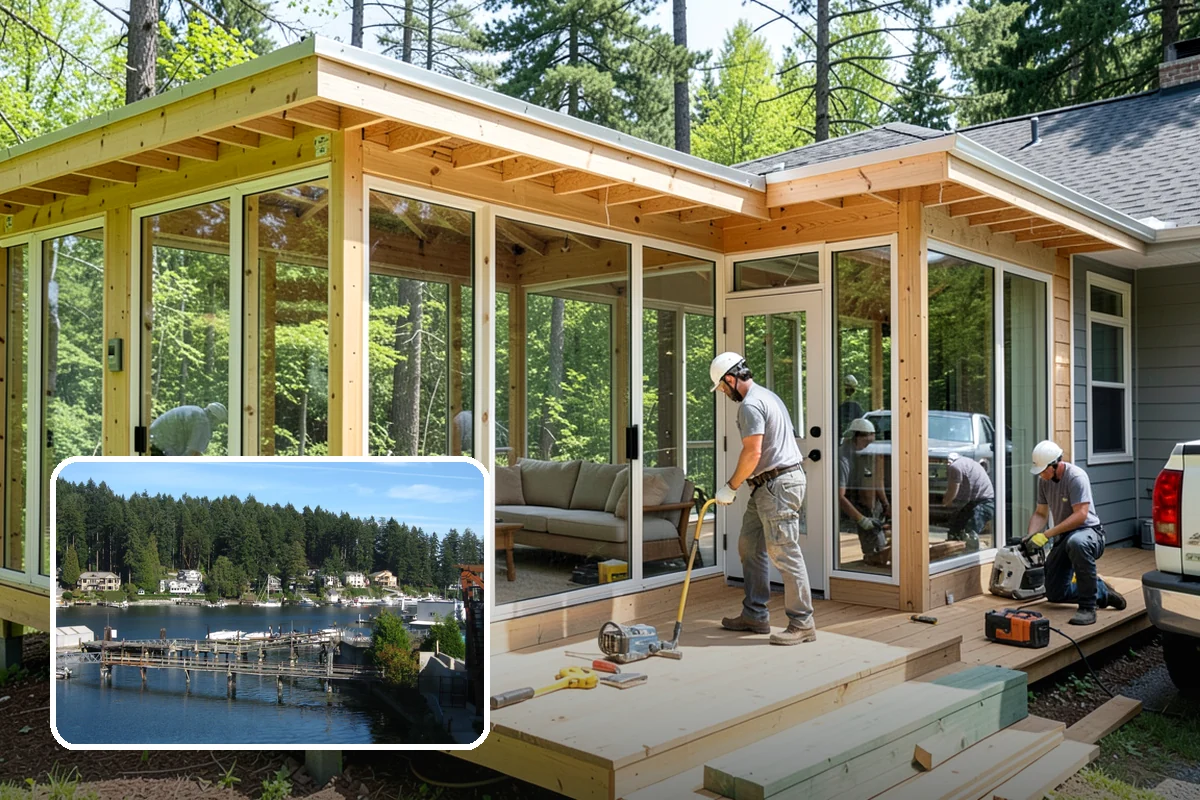
Local Service Information
Gig Harbor
A waterfront city on a sheltered harbor across the Narrows from Tacoma.
Benefits
Time-tested durability in a wet climate; Proper flashing and weeps manage moisture; Clean, consistent joint tooling; Structural and decorative applications; Craftsmanship that lasts generations
Process
Brick Masonry in nearby areas
Also serving Gig Harbor
- Sandstone Cleaning in Gig Harborat Washington Pressure Washing
- Custom Stone Work in Gig Harborat Washington Landscaping
- Chimney Waterproofing in Gig Harborat Washington Roofing