Strong Foundations. Superior Results.

Federal Way Exterior Trim Installation
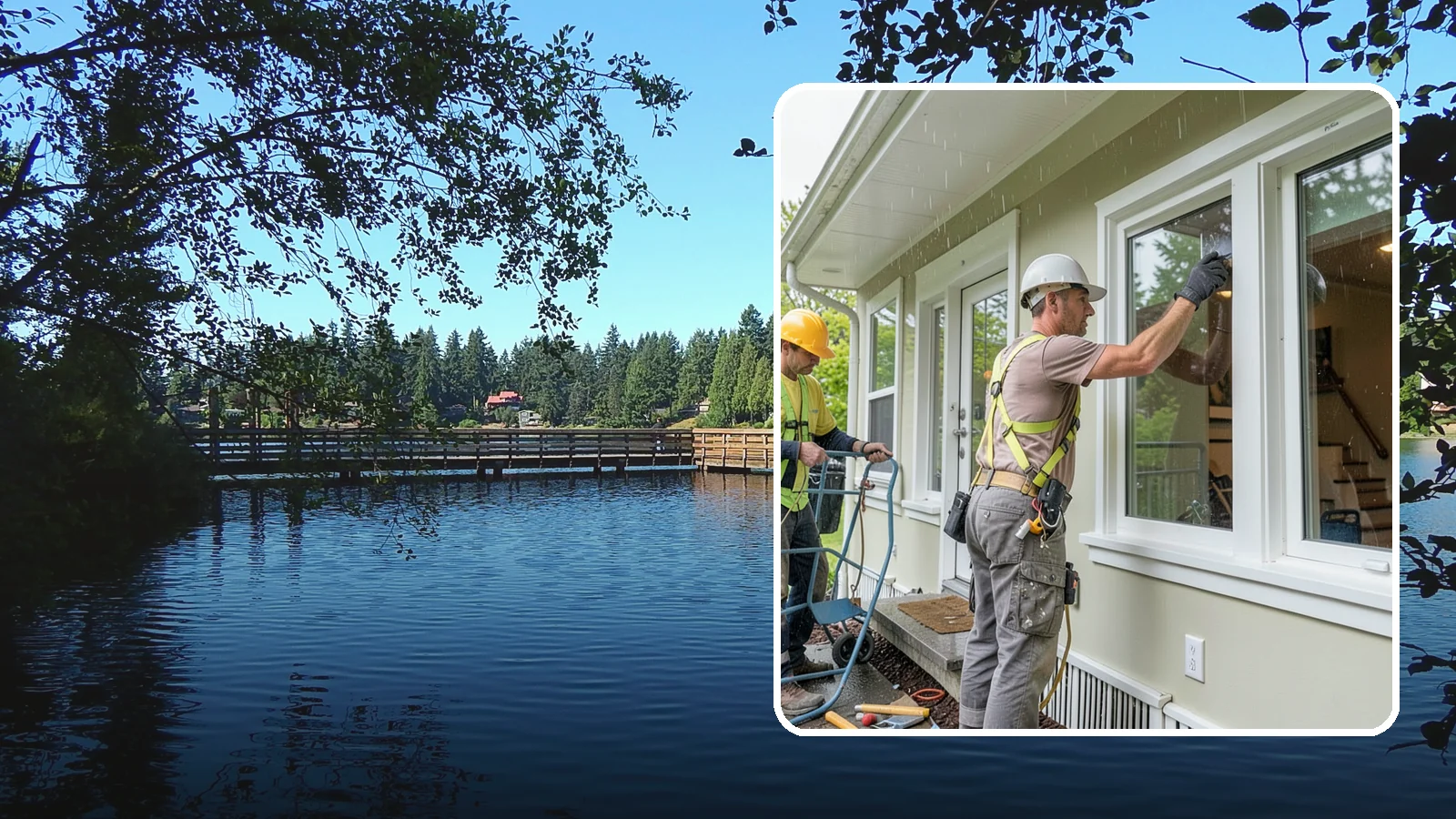
Exterior trim installation that frames windows, doors, and corners with durable, weather-ready detail.
This page is for Federal Way homeowners whose exterior trim is rotting, cracked or pulling away from walls, windows and doors. It also fits anyone re-siding or repainting who wants new trim at the same time. Older homes are common candidates. About 40% of housing units in Federal Way were built before 1980, per the Census ACS 2020-2024, and that figure includes apartments.
Washington Construction, based in Bothell, WA, installs exterior trim and backs its labor with a 1-year warranty. Below is how the main trim choices compare for local conditions.
Choosing Exterior Trim Material for a Federal Way Home
Trim sits where water tends to get in: window heads, door casings, corners and the bottom of walls. Federal Way is wet. Daymet data for 2005-2025 shows about 118 days a year with 0.1 inch of rain or more, and 82% of yearly precipitation falls from October to April. Whatever material you pick, the installation details matter as much as the product.
The main options
- Wood (cedar or primed pine): Easy to cut and match to older profiles. It needs sealed cut ends and regular repainting. In a wet climate, neglected paint is where rot starts.
- Fiber cement: Holds paint well and does not rot. It is heavier and harder to cut, and cut edges need to be sealed and painted.
- PVC or cellular composite: Not food for rot or insects and needs little upkeep. It expands and contracts with temperature, so joints and fastening need care. Dark colors can move more.
What local conditions favor
Because so much rain falls over seven months, materials that tolerate constant moisture have an edge. Fiber cement and PVC are often chosen for that reason. Wood can still work well if you are willing to keep up the paint and caulk.
Federal Way also has salt-water shoreline, and 25.4% of its land is within 1 mile of salt water. If your home is in that band, rinse and inspect trim more often, and choose corrosion-resistant fasteners. Fastener choice is standard practice near salt air.
Older homes
If your house was built before 1978, old paint on existing trim may contain lead. Removal should be planned with that in mind before any sanding or scraping. Older homes may also have rot hidden behind the trim, so it is worth checking the wall behind it as boards come off.
Timing matters too. Exterior work goes easier in drier months, since trim and paint need dry surfaces to be installed properly.
Federal Way Exterior Trim Installation

Local Service Information
Federal Way
A large city in south King County between Tacoma and Seattle, near Puget Sound.
Benefits
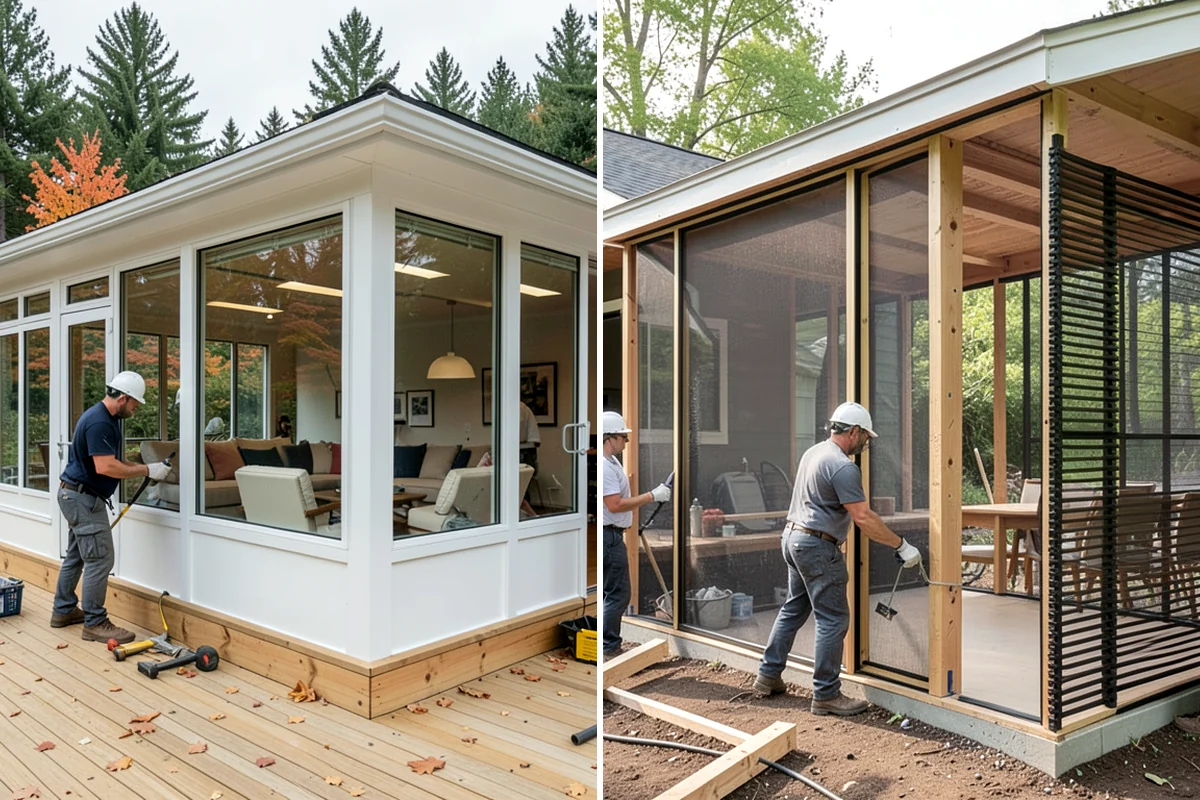
Defines and sharpens the home’s exterior; Seals siding-to-opening transitions; Uses moisture-resistant materials; Integrates flashing for water protection; Boosts curb appeal and value
Process

Exterior Trim Installation in nearby areas
Also serving Federal Way
- House Mildew Removal in Federal Wayat Washington Pressure Washing
- Roof Decking Replacement in Federal Wayat Washington Roofing
- Living Wall Installation in Federal Wayat Washington Landscaping