Strong Foundations. Superior Results.

DuPont Tankless Water Heater Installation
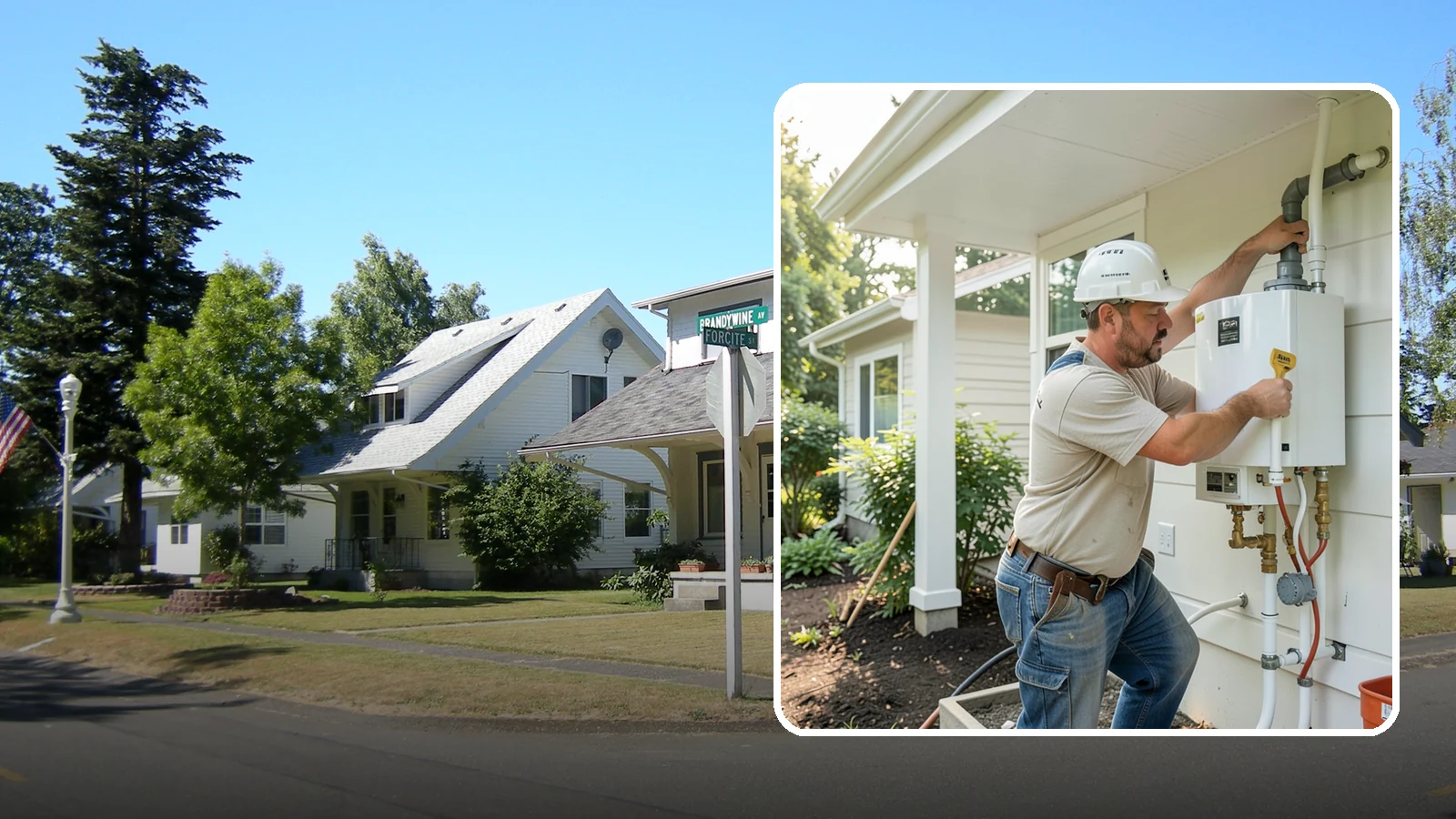
Tankless water heater installation delivering endless hot water and lower standby energy loss.
The best time to plan a tankless water heater in DuPont is before the old tank fails, ideally in the fall or early spring. Cold months raise hot water demand, and a failed tank in January leaves little room to compare options or schedule the work on your terms.
Washington Construction has been in business for 22 years. This page covers how to plan a tankless install in DuPont, what shapes the scope of the job, and what to expect once work begins.
Planning a Tankless Water Heater in DuPont, WA
Start with your fuel type
Census data shows about 54% of DuPont homes are heated mainly with utility gas, and about 43% with electricity. That split matters here because gas and electric tankless units are very different jobs. A gas unit needs adequate gas supply and a proper vent path. An electric unit draws a large electrical load, and your panel may need to be checked for capacity. Know which fuel your current heater uses before you start comparing models.
Your home's age shapes the work
The Census ACS 2020-2024 estimates that about 75% of DuPont housing units were built between 1990 and 2009. Homes from that period are now roughly 15 to 35 years old. If yours is one of them, the original tank heater may be at or near the end of its working life, which is a good reason to plan the swap rather than wait. It also means the existing gas line, venting, and water piping were sized for a tank, so they may need review for a tankless unit.
What affects scope
Several things decide how big the job is:
Fuel and capacity: a tankless unit often needs a larger gas line or more electrical capacity than a tank does.
Venting: gas units need a vent route that suits the unit, which can mean new runs through a wall or roof.
Location: moving the heater to a different spot adds plumbing, and sometimes gas or electrical, work.
Water use: the number of fixtures running at once affects which size of unit makes sense.
What to expect
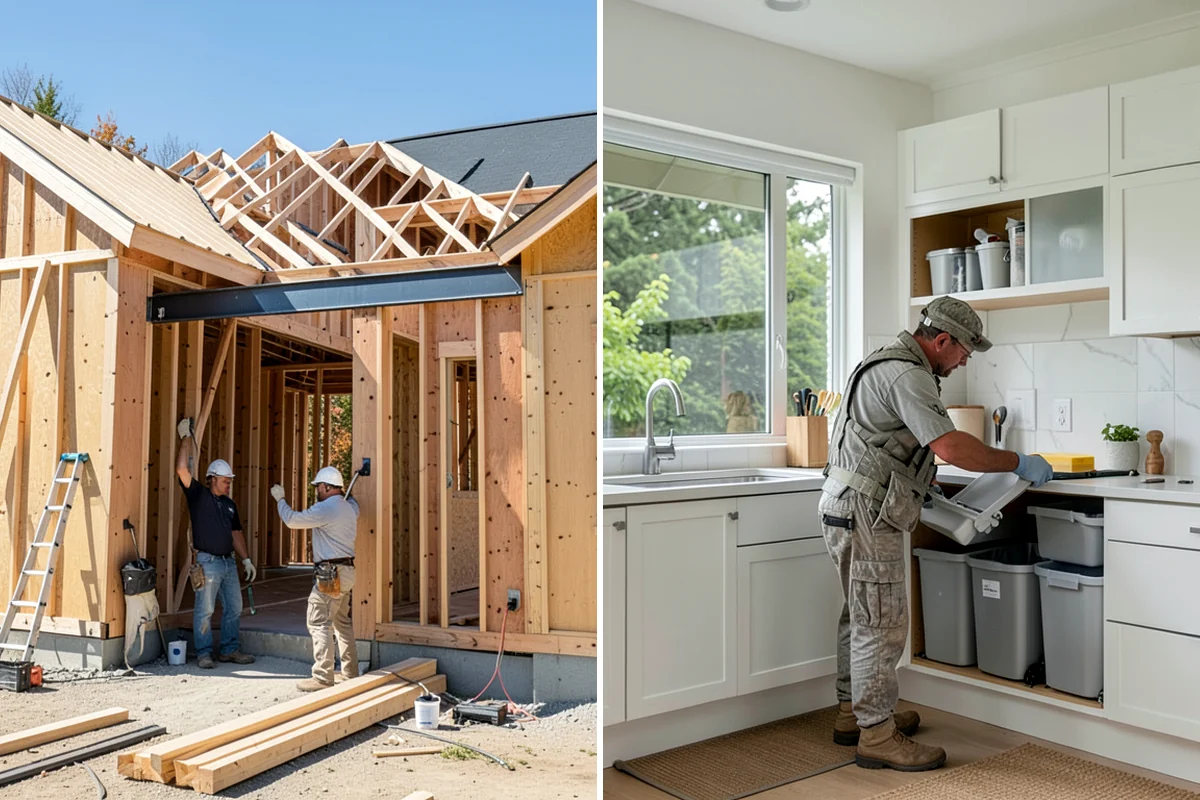
Expect a site review first, so the existing setup can be checked against the unit you want. Installation usually involves shutting off water and fuel for a period, removing the old tank, mounting the new unit, connecting supply and venting, and testing. Plan on being without hot water while the swap is underway. Some tankless units also call for periodic maintenance, so ask what that looks like for the model you choose.
One practical tip
Before any visit, write down the make, model, and age of your current heater, and note where the gas meter or electrical panel sits. That helps sort out scope early and avoids surprises later.
DuPont Tankless Water Heater Installation

Local Service Information
DuPont
A small planned city in southwest Pierce County near Puget Sound and Joint Base Lewis-McChord.
Benefits
Provides continuous on-demand hot water; Eliminates tank standby energy loss; Frees up floor space with a wall-mounted unit; Offers a longer service life than tank heaters; May qualify for efficiency rebates
Process
Tankless Water Heater Installation in nearby areas
Also serving DuPont
- Attic Insulation Replacement in DuPontat Washington Roofing