Strong Foundations. Superior Results.

Darrington Dry Rot Repair
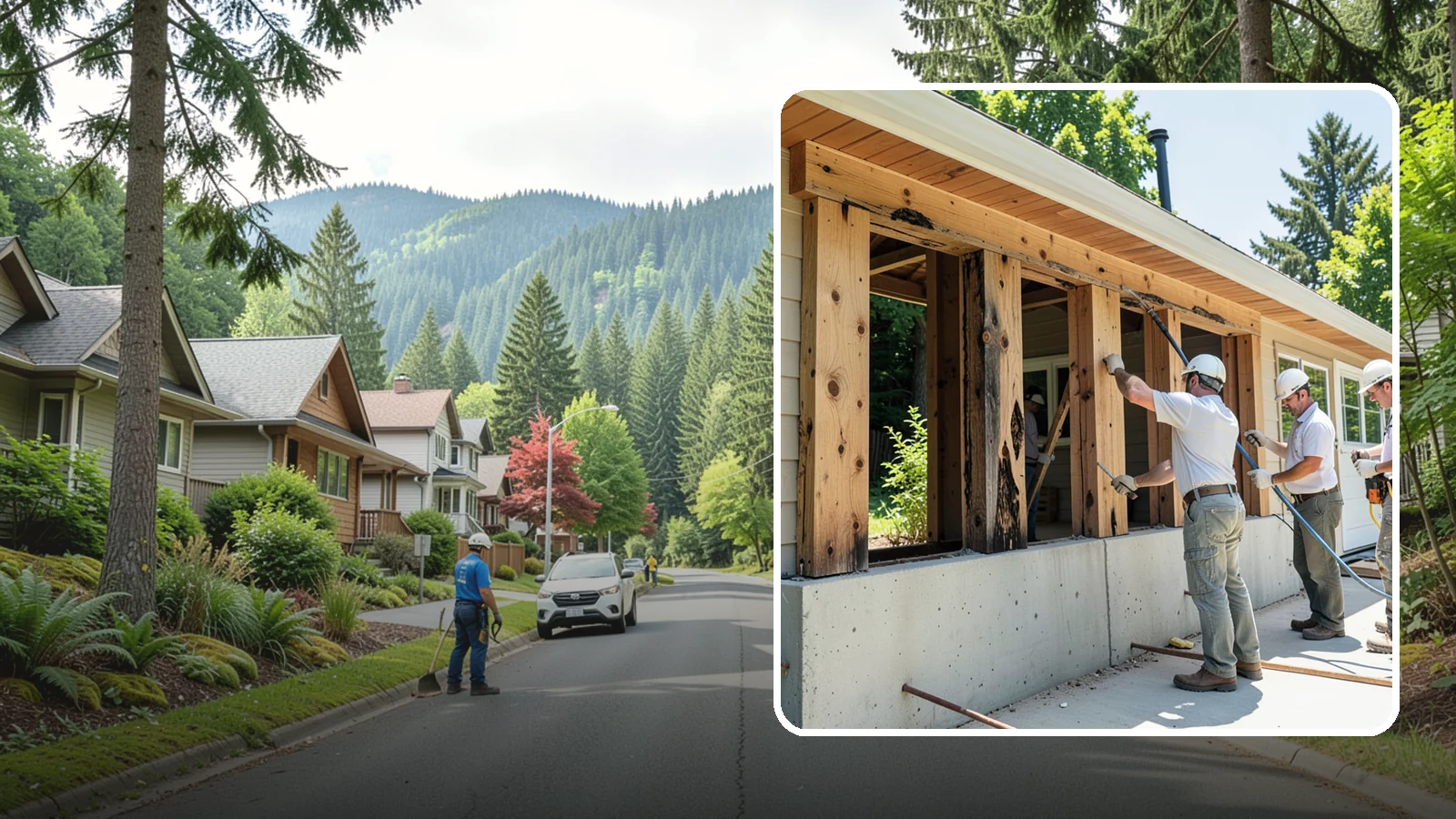
Expert dry rot repair that removes decay and restores the strength of affected wood.
In Darrington, the best window for dry rot repair is the drier part of the year, roughly May through September. About 84% of the town's yearly precipitation falls from October to April, per Daymet data for 2005-2025. Wood that is opened up for repair has a hard time staying dry in those months.
Dry rot is wood decay caused by moisture over time. Finding it early keeps the repair smaller. Washington Construction gives free estimates, so you can get the damage looked at before you pick a date for the work.
Planning Dry Rot Repair in Darrington, WA
Darrington sees about 152 days a year with 0.1 inch or more of rain, based on Daymet data from 2005 to 2025. That is a lot of wet days. It means wood near roofs, decks, siding, windows and the ground gets wet often and has to dry out in between.
Planning around the weather
Exterior repairs are easier when the framing can be opened up and left to dry before it is closed in again. That is why late spring and summer are the usual choice. If you see soft trim, a sagging deck board or peeling paint that lifts easily, get it checked before fall. Small spots can be handled in a short visit. Damage left through a wet winter can spread.
What affects the scope
The visible rot is often only part of the problem. A contractor has to probe the surrounding wood to see where sound material begins. Several things shape the work:
First, the source of the moisture. A failed flashing, a clogged gutter or a leaking window will keep causing rot until it is fixed. Replacing wood without fixing the source only delays the problem.
Second, how far the decay has gone. Trim and siding are simple to replace. Rot that reaches sheathing, sill plates, rim joists or structural framing takes more work and may need temporary support.
Third, access. Rot behind a deck ledger or under a second-story window is harder to reach than rot on a porch post.
What to expect
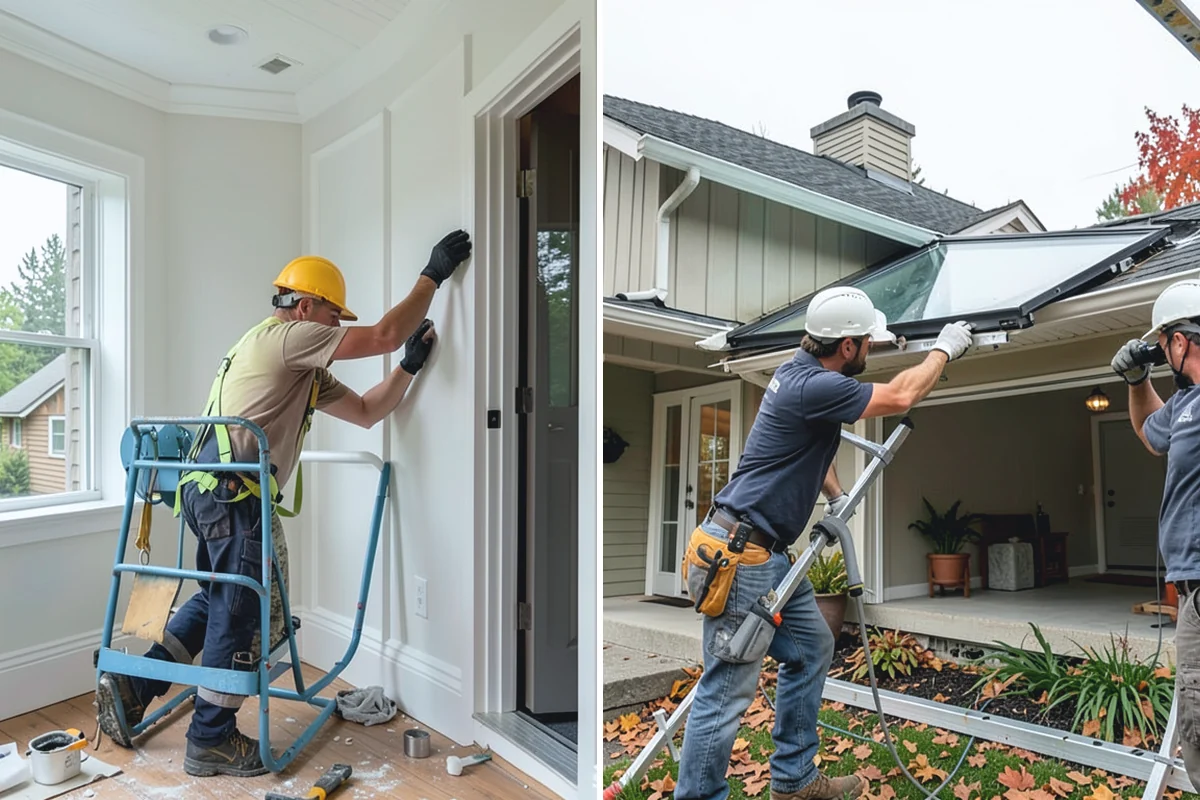
Expect an inspection first, with probing of the wood around the damage. After that, the scope is written up so you know what will be removed and replaced. During the work, rotted material is cut out, the moisture source is dealt with, and new wood is installed and sealed or painted to match as closely as practical. Hidden damage can turn up once walls or trim are opened, so the scope may change.
One practical tip: take dated photos of any stains, soft spots or peeling paint now, and again after the next heavy rain. They help show whether the problem is growing and where water may be getting in.
Darrington Dry Rot Repair
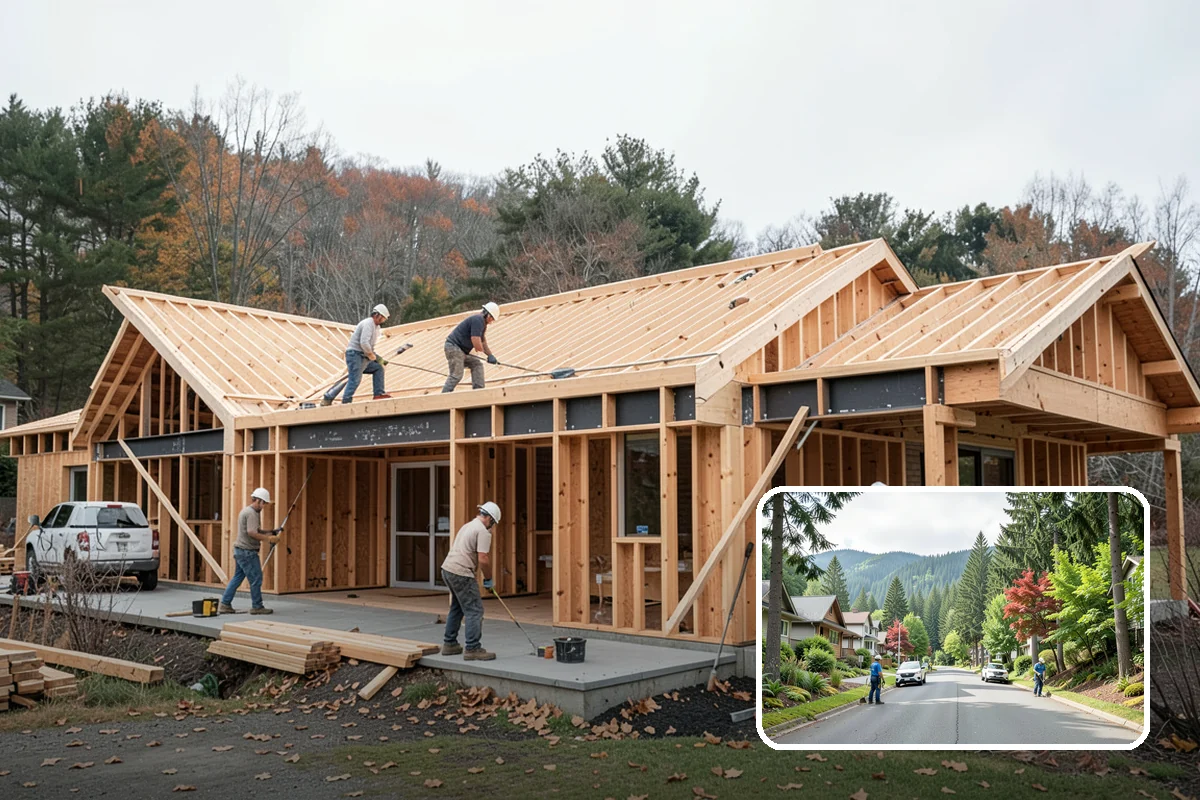
Local Service Information
Darrington
A small mountain town on the Sauk River in the North Cascades, historically a timber community.
Benefits
Removes all compromised, decayed wood; Rebuilds with rot-resistant materials; Stops the moisture source feeding the rot; Restores structural integrity; Prevents spread to adjacent framing
Process
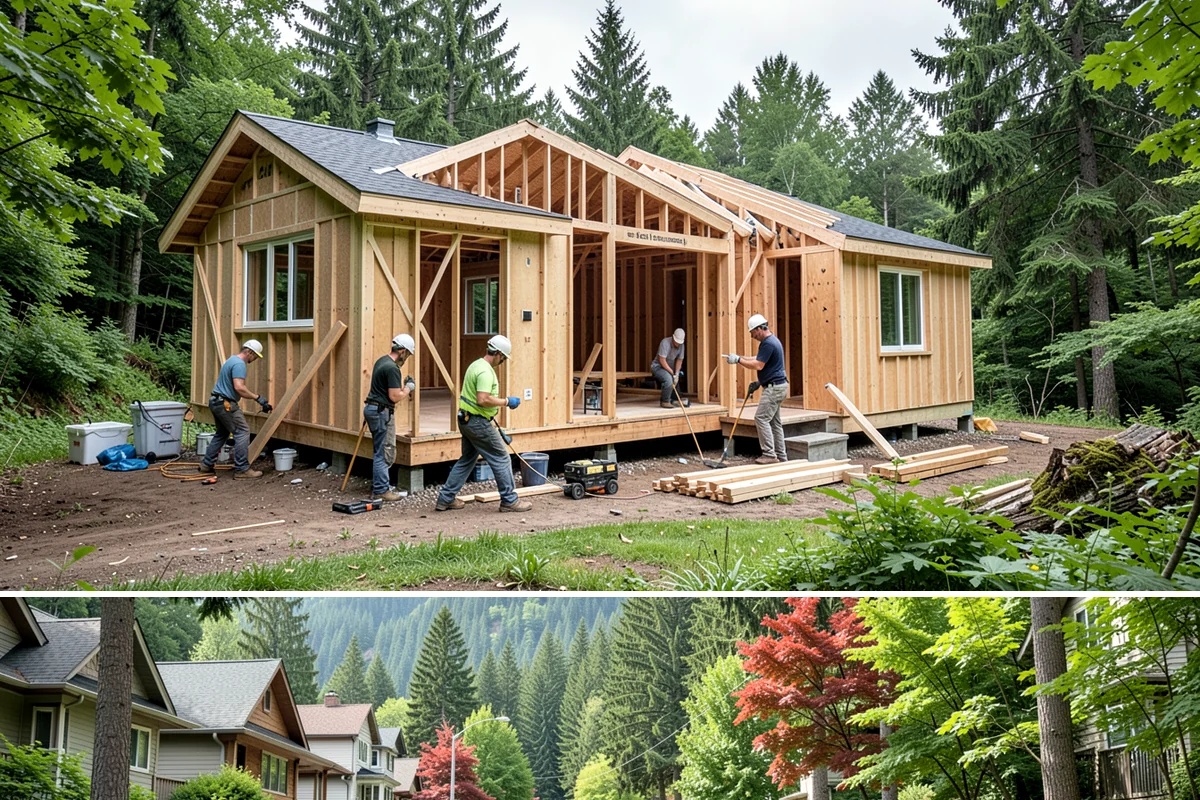
Dry Rot Repair in nearby areas
Also serving Darrington
- Lifted Shingle Repair in Darringtonat Washington Roofing
- House Mildew Removal in Darringtonat Washington Pressure Washing