Strong Foundations. Superior Results.

Coupeville Flat Roof Installation
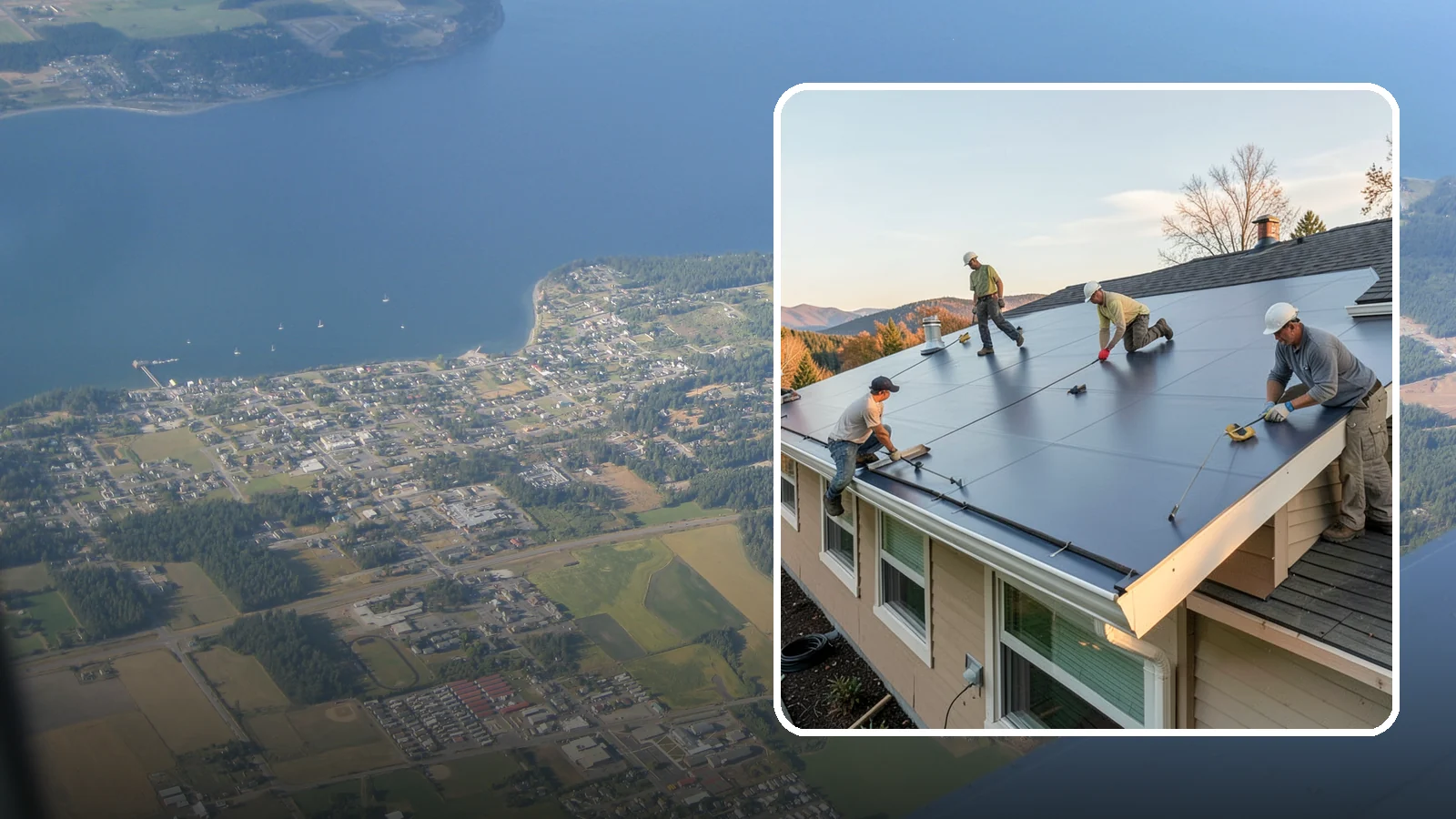
A watertight flat roof system installed with proper slope and membrane sealing for reliable drainage.
The best window for a flat roof installation in Coupeville is the drier part of the year. Rain of 0.1 in or more falls on about 78 days a year here, per Daymet data from 2005 to 2025. Membrane and seam work needs dry surfaces, so planning around those wet days matters.
Washington Construction, a Bothell contractor with 22 years in business, installs flat roofs for homeowners. This page covers how to plan the job, what shapes the scope, and what to expect once work begins.
Planning a Flat Roof Installation in Coupeville
Start with the calendar. Flat roofs shed water slowly, so the membrane, seams and edges need to go down on a dry deck. With about 78 rain days a year in Coupeville (Daymet, 2005-2025), it helps to book early and keep some flexibility. A rainy stretch can push a start date back.
Wind is the next planning point. The forecast zone that includes Coupeville logged 93 high and strong wind episodes from 2005 to 2025. On a flat roof, the edges, flashing and fastening details get the most stress in wind. Ask how the edge metal and perimeter will be attached, and how loose materials are secured on site during the job.
Snow is a smaller factor. Coupeville averages 4.5 in per season. That is light, but a flat roof still needs a clear path for water to drain when snow melts. Slope, drains and scuppers should be part of the plan, not an afterthought.
Scope depends on what is under the surface. Once the old roofing comes off, the crew can see the deck. Damaged or wet sheathing may need replacing, and that can change the work. Other things that affect scope include:
the size and shape of the roof, the number of penetrations such as vents and skylights, how the roof meets walls, and whether drainage needs to be reworked.
About 38% of Coupeville housing units were built from 1990 to 2009, per the Census ACS for 2020-2024. Those homes are now 15 to 35 years old. If yours is in that range, any original flat or low-slope section may be due for a close look at its flashing and seams. Age alone does not tell you the condition, so an inspection is the way to know.
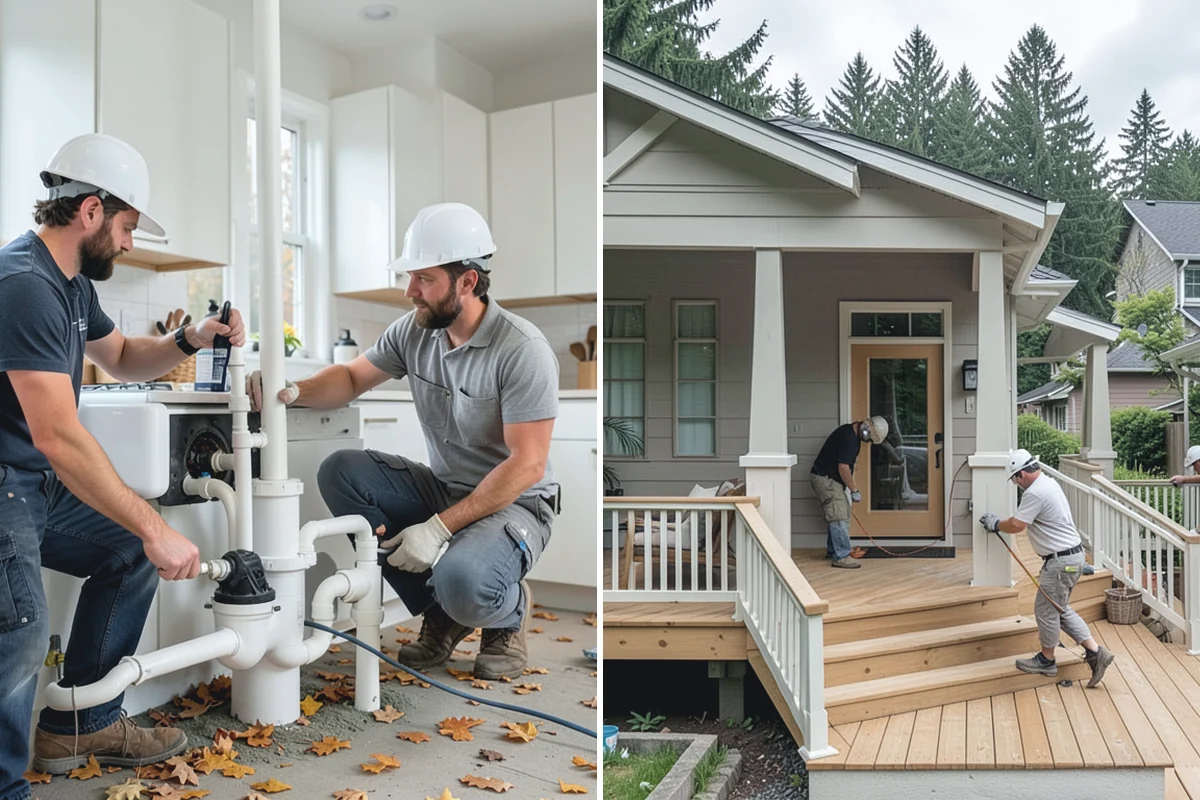
On the job, expect the old surface to be removed or assessed, the deck prepared, then the membrane, seams, flashing and edges installed in order. Noise and debris are normal on tear-off days.
Practical tip: before work starts, photograph the ceilings below the flat roof and note any stains. It gives you a clear baseline if questions come up later.
Coupeville Flat Roof Installation
Local Service Information
Coupeville
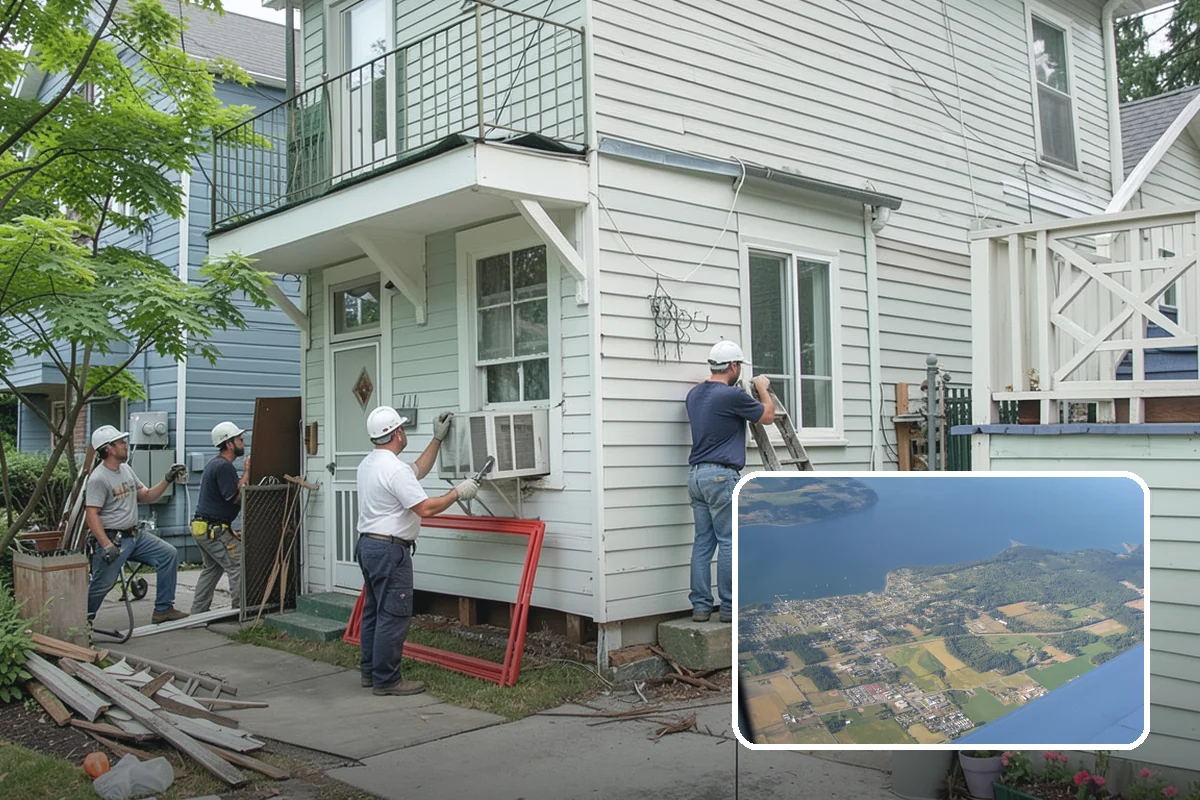
A historic waterfront town on Penn Cove on Whidbey Island, the Island County seat.
Benefits
Watertight membrane and sealed seams; Engineered slope for proper drainage; Handles heavy Northwest rainfall; Suited to additions and modern homes; Durable, low-profile protection
Process

Flat Roof Installation in nearby areas
Also serving Coupeville
- Roof Decking Replacement in Coupevilleat Washington Roofing
- Slate Roof Cleaning in Coupevilleat Washington Pressure Washing
- Snow Guard Installation in Coupevilleat Washington Snow Removal