Strong Foundations. Superior Results.

Coupeville Rough-In Plumbing
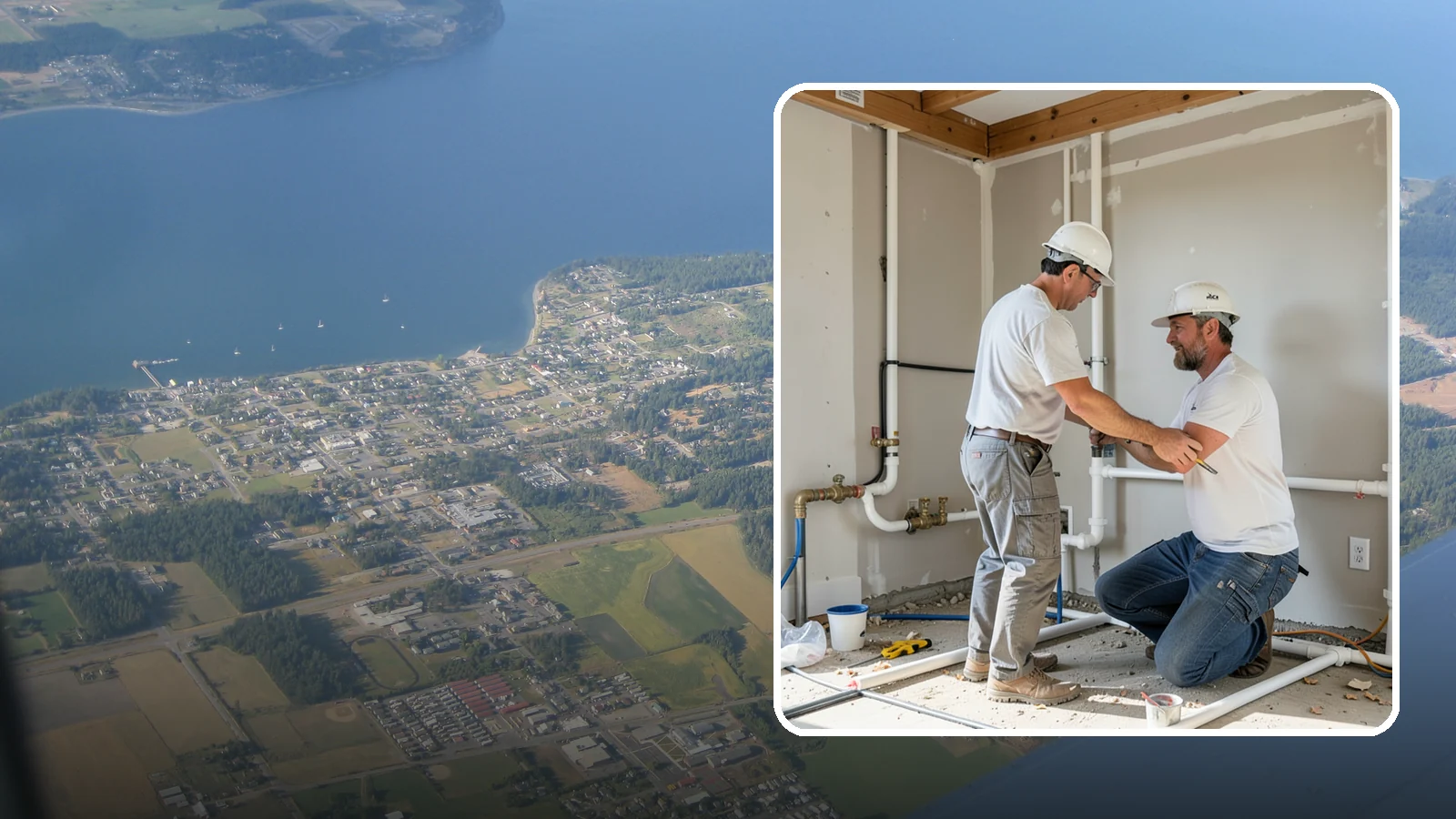
We install the supply, drain, waste, and vent lines behind your walls before insulation and drywall go up on a remodel or addition.
Rough-in plumbing makes the most sense early in a build or remodel, while walls, floors and ceilings are still open. In Coupeville, that also means planning around cold weather. About 30 days a year here freeze at night and thaw by day, per Daymet, so supply lines need thought before they are hidden behind drywall.
Washington Construction handles plumbing with its own crews, not subcontractors. This page explains how rough-in plumbing is planned, what shapes the scope, and what to expect on site.
Planning Rough-In Plumbing for a Coupeville Home
Rough-in is the stage where drain, waste, vent and supply lines are run through the framing before the walls are closed. Fixtures come later. Once insulation and drywall go up, changing a pipe route gets harder, so decisions about fixture locations need to be settled first.
Planning
Start with a clear layout. Know where each sink, toilet, shower, tub, washer and water heater will sit. Drain lines rely on slope, so the position of a fixture affects how pipes pass through joists and studs. Late changes to a bathroom layout often mean reworking those runs.
What affects scope
Age of the house is one factor. Per the Census ACS 2020-2024, about 40% of housing units in Coupeville were built before 1980. That figure includes apartments, and it says nothing about any one house. But if yours is an older home being opened up, expect to find out what existing pipes and framing look like once walls are open. That can change how new lines connect to old ones.
The roughly 30 freeze-and-thaw days a year matter for routing. Supply lines placed in exterior walls or unheated spaces are more exposed to cold, so where pipes run and how they are insulated deserves attention at this stage.
Heating is another consideration. The Census shows that 6% of Coupeville homes are heated mainly with utility gas. Gas is not the norm here, so do not assume a gas line exists at your house. If you want a gas appliance, raise it early so it can be planned along with the rest of the work.
What to expect
Our plumbing is done by our own crews, and Washington Construction is licensed, bonded and insured. On site, expect pipes and fittings run through open framing, with the work staged so it fits with framing and other trades. Expect to be asked to confirm fixture locations before lines go in.
Practical tip: before the walls close, walk the house with your plans and check every fixture location in person. Moving a drain on paper is simple. Moving it after drywall is not.
Coupeville Rough-In Plumbing
Local Service Information
Coupeville
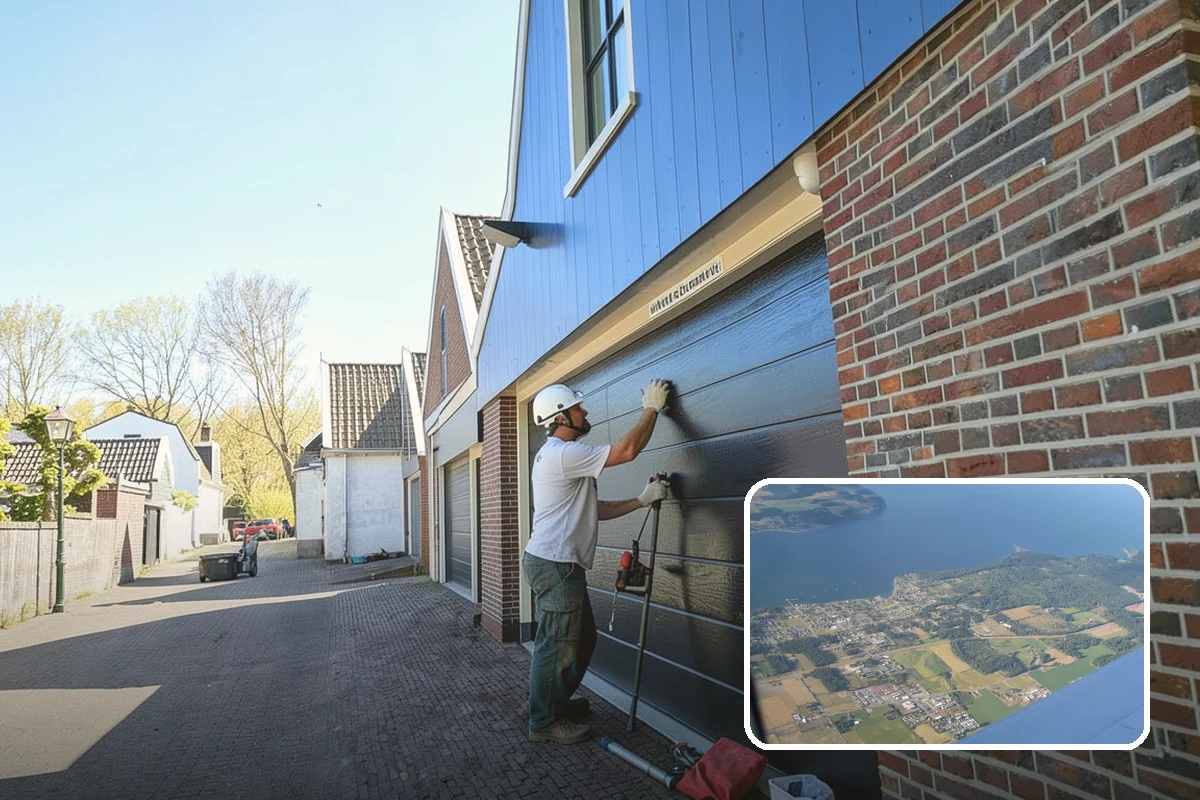
A historic waterfront town on Penn Cove on Whidbey Island, the Island County seat.
Benefits
Fixtures that drain and vent correctly the first time; work sequenced to pass Washington rough-in inspection without delays; pressure-tested lines that reveal hidden defects before they are concealed; layout coordinated with framing and electrical to avoid conflicts; a documented foundation for your future finish plumbing

Process
