Strong Foundations. Superior Results.

Brier New Construction Roofing

Complete roofing for new construction, coordinated with your build schedule and engineered for Northwest weather.
In Brier, the best window for new construction roofing is usually the drier part of the year. The area sees about 110 days a year with 0.1 in or more of rain (Daymet, 2005-2025). Framing that sits open to the weather for long stretches invites trouble, so getting the roof dried in matters.
Washington Construction, based in Bothell, has been in business for 22 years. This page explains how to plan a new roof on a new build, what shapes the scope of the work, and what to expect as it moves from framing to finished roofing.
Planning a New Roof on a New Build in Brier
Plan around the weather
About 110 days a year in Brier bring 0.1 in or more of rain, per Daymet data from 2005 to 2025. That is a lot of wet days. Roofing crews need dry decking for most materials and fasteners to perform as intended. Ask your builder to schedule the roof so the structure is covered soon after framing. Underlayment can protect a deck for a short time, but it is not a long-term substitute for finished roofing.
What affects scope
Wind is one factor. The forecast zone that includes Brier logged 38 high and strong wind episodes from 2005 to 2025. That is a reason to take fastening patterns, edge details and ridge work seriously. Your roofer and designer should confirm what the plans and manufacturer instructions call for.
Snow is a smaller factor. Brier averages 6.3 in per season. That is modest, but roof pitch, valleys and the way water leaves the roof still matter when snow melts and freezes. Roof shape drives scope more than anything else. Simple gable roofs go faster. Dormers, multiple valleys and skylights add flashing and labor.
Material choice also shapes the job. Asphalt shingles, metal and other products each have different installation steps, deck requirements and weights. Settle this early so framing and structural plans match the roof you want.
What to expect
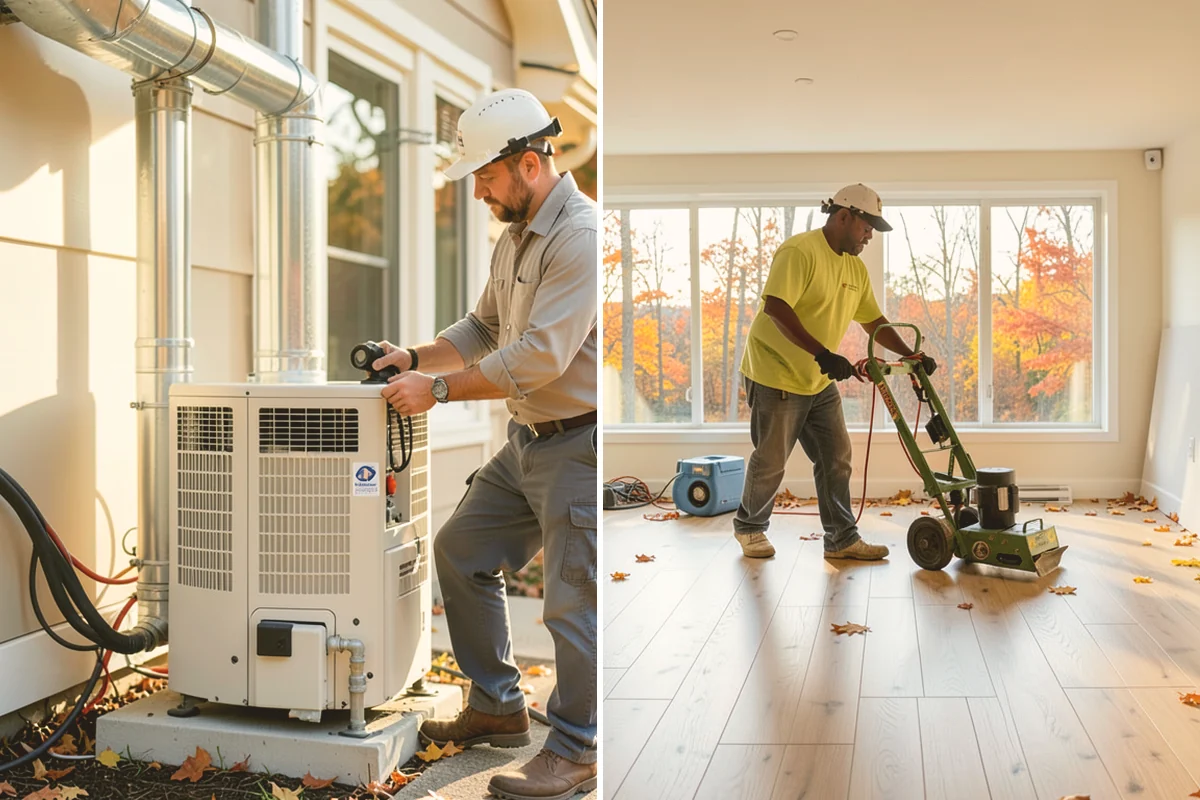
On a new build, the roof goes on after framing and sheathing are in place and inspected as required. Expect the sequence to run through underlayment, flashing, roofing and ventilation details. Weather can pause work, especially in wet months.
Homes built from 1990 to 2009 make up about 25% of Brier housing units, per the Census ACS 2020-2024. Those homes are now 15 to 35 years old. If your new home sits among them, look at how neighboring roofs handle drainage and exposure. It can inform your own design choices.
Practical tip: keep a few spare days in the schedule around roof installation. A short weather delay is easier to absorb than a rushed install on damp decking.
Brier New Construction Roofing
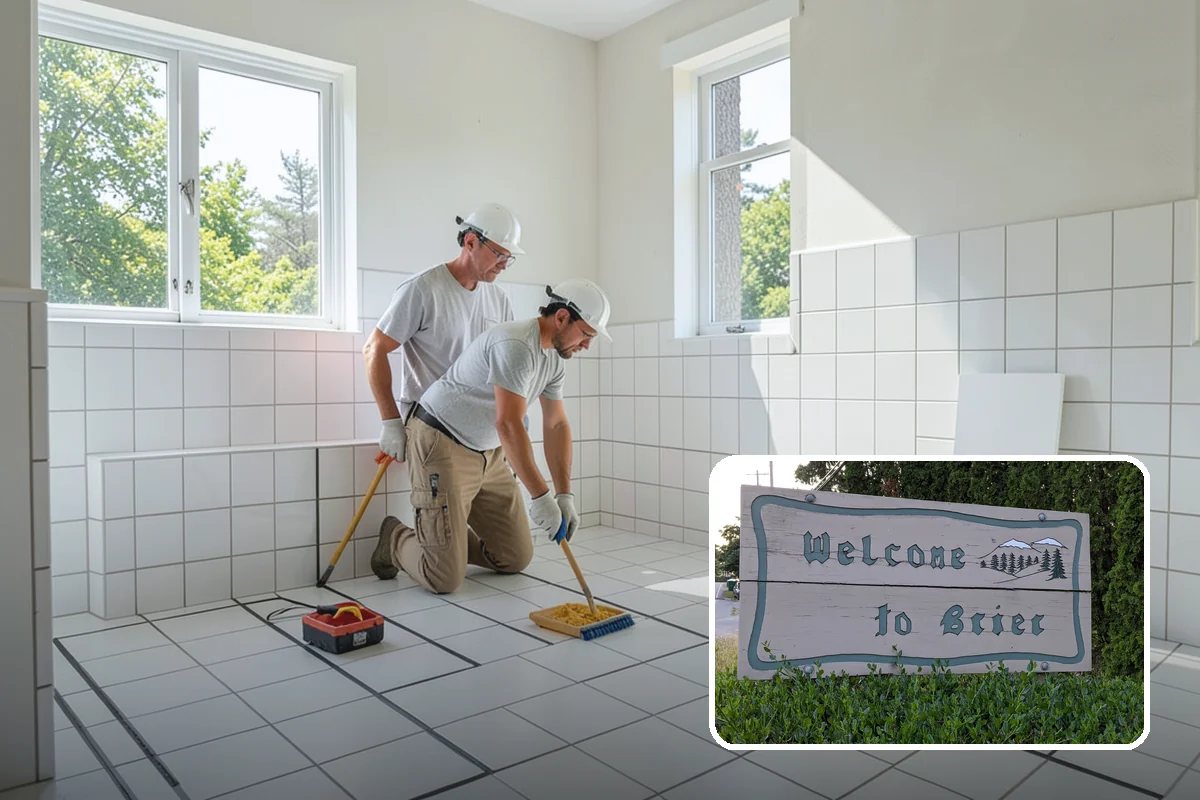
Local Service Information
Brier
A small, primarily residential city in southwest Snohomish County.
Benefits
Coordinated with your build timeline; Engineered ventilation from the start; Proper flashing and moisture management; Installed to plan specs and code; Protects the structure during construction
Process
New Construction Roofing in nearby areas
Also serving Brier
- Wind Damage Repair in Brierat Washington Roofing
- Roof Maintenance Cleaning in Brierat Washington Pressure Washing
- Snow Load Assessment in Brierat Washington Snow Removal