Strong Foundations. Superior Results.

Brier Trim Painting
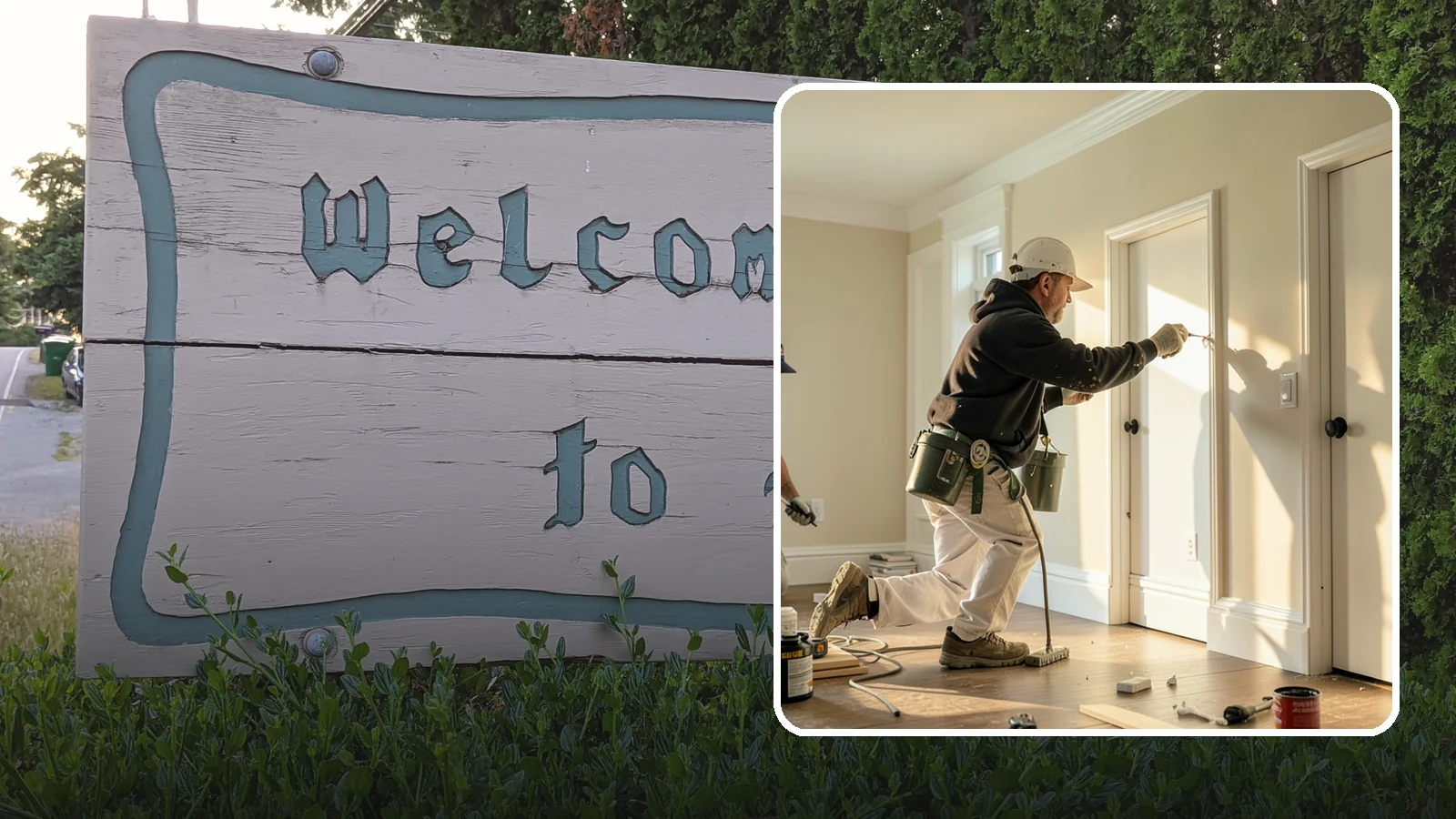
Trim painting sharpens the baseboards, casings, crown, and doors that frame every room.
When is the best time to paint exterior trim in Brier? Usually the drier months, and July is the driest month here on average. Paint needs dry surfaces and mild temperatures to cure well, so planning around the weather matters.
Washington Construction, based in Bothell, WA, paints trim on homes in Brier. That covers fascia, window and door casings, corner boards and similar details. Financing is available, subject to credit approval, if you want to schedule the work in one stage.
Planning Trim Painting for a Brier Home
Plan around the rain
Brier sees about 110 days a year with 0.1 in or more of rain, based on Daymet data from 2005 to 2025. That is a lot of wet days. Exterior trim needs dry wood before primer and paint go on, and it needs time to dry between coats. Scheduling in a dry stretch gives the paint a better chance to bond. July is the driest month on average, so summer is a natural target. Book early if you want that window, since dry weeks are the ones everyone wants.
Older homes need extra checks
About 30% of housing units in Brier were built before 1980, according to the Census ACS for 2020 to 2024. That figure includes apartments, so it does not describe any one house. Still, it is a reason to ask about age. Homes built before 1978 may have lead paint on older trim. If yours is from that era, sanding and scraping need proper precautions, and the prep plan should account for that before work starts.
What the work usually includes
Good trim painting is mostly preparation. Typical steps include:
- Scraping loose or peeling paint
- Sanding rough edges and feathering transitions
- Replacing or flagging rotted wood for repair
- Caulking gaps at joints
- Priming bare spots
- Applying finish coats
Rot matters most. Paint over soft wood will fail early, so it is better to find it before painting than after. Wet-weather months make hidden damage more likely to show up around windows and lower edges.
If you are weighing options, tell us your home's approximate age and where the paint is peeling. That helps shape the prep and the timing for your trim.
Brier Trim Painting

Local Service Information
Brier
A small, primarily residential city in southwest Snohomish County.
Benefits
Durable enamel finish that resists scuffs and repeated cleaning; hand-caulked seams for a seamless, gap-free look; smooth surfaces from careful sanding and hole filling; crisp lines where trim meets walls and ceilings; a refreshed look for baseboards, casings, and crown molding
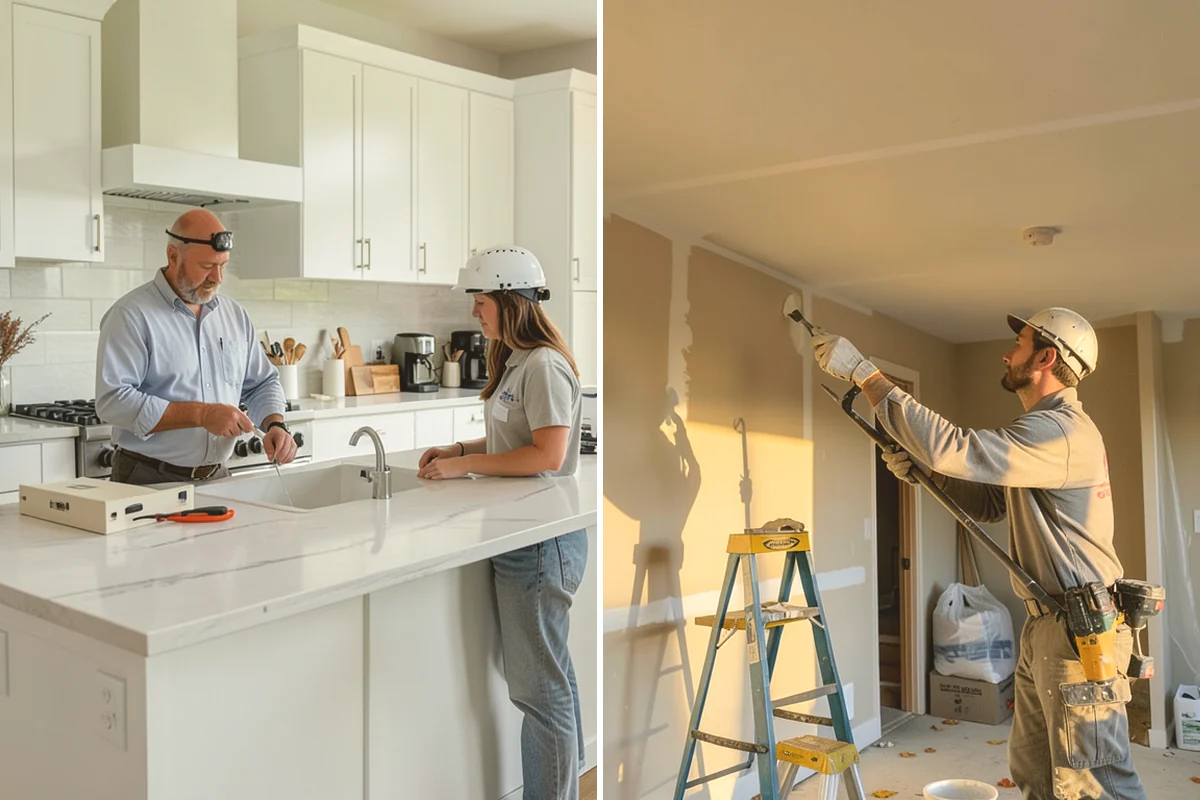
Process
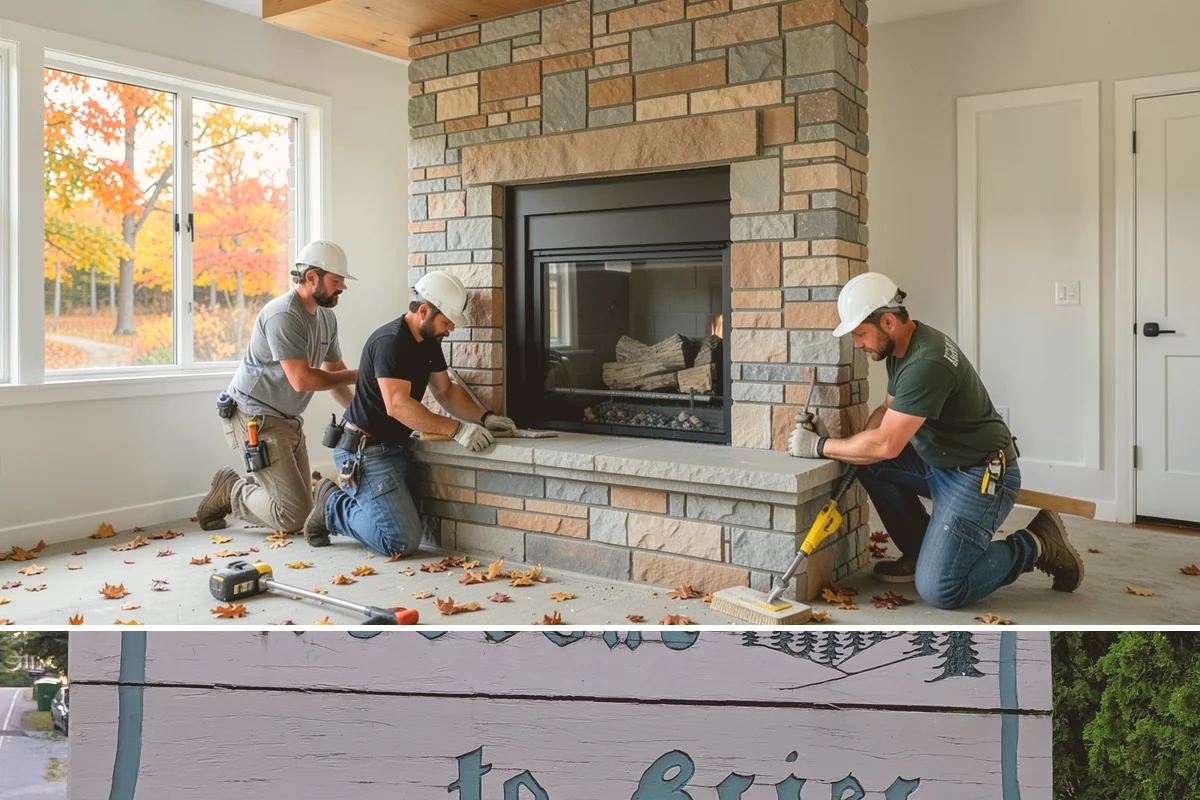
Trim Painting in nearby areas
Also serving Brier
- House Algae Removal in Brierat Washington Pressure Washing