Strong Foundations. Superior Results.

Black Diamond Bowing Wall Repair
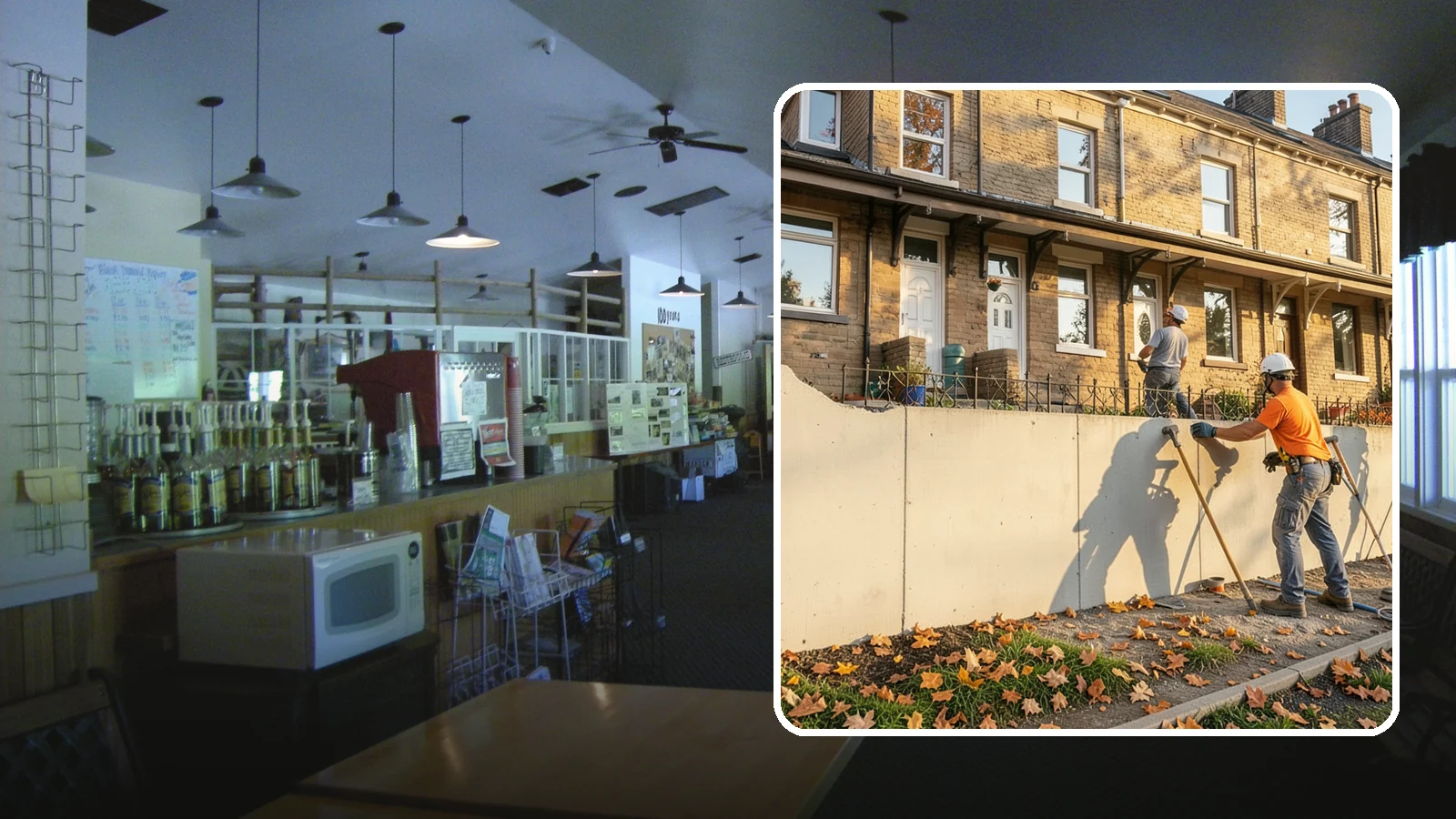
We straighten and stabilize bowing basement and foundation walls to stop movement and protect your home’s structure.
This page is for Black Diamond homeowners who see a basement or crawlspace wall leaning inward, with horizontal cracks, bulging block or a wall that is no longer straight. It also fits anyone who has noticed new gaps where the wall meets the floor or the framing above.
A bowing wall is a structural problem, not a cosmetic one. Washington Construction has been in business for 22 years, and the notes below explain the repair approaches and how Black Diamond's wet climate bears on the choice.
Bowing Wall Repair Options for Black Diamond Homes
Soil pressing on a foundation wall is the usual cause of bowing. Water in that soil adds weight and pressure. That is why climate matters here. Daymet data for 2005-2025 shows Black Diamond gets about 61.1 inches of precipitation a year, and 79% of it falls from October to April. Walls are loaded hardest through those months, so that is when a bow tends to show or worsen.
The approaches to compare
- Monitor and manage water: For a slight bow that is not moving, the first step is often to improve drainage and gutters and then watch the wall over a wet season. This is the least invasive path, but it does not straighten or strengthen anything.
- Brace the wall: Steel beams or similar braces are fixed to the wall and floor structure to hold it in place. This suits a wall that has moved but is still largely intact.
- Anchors or tiebacks: Plates inside the wall connect to anchors out in the soil. This can suit walls with more movement, but it needs access outside the house.
- Excavate and rebuild: If the wall is badly cracked or has shifted out of plumb, the soil is dug back and the wall is repaired or replaced. It is the largest job.
What local conditions favor
Because the wet season is long, any fix that ignores drainage is incomplete. Bracing and anchoring hold a wall, but they do not reduce the water loading it. Pairing structural work with better drainage makes sense in most cases.
FEMA rates Black Diamond's inland flooding risk (river and rain) as Relatively Moderate. That is a risk rating, not a prediction. It is a reason to look at how water moves around your house, not a verdict on your property.
Timing also matters. Work that needs digging is easier in drier months, so a bow found in winter may be braced first and permanently repaired later. An on-site look at the wall will show which option fits.
Black Diamond Bowing Wall Repair

Local Service Information
Black Diamond
A former coal-mining town in southeast King County set among foothills and forest.
Benefits
Wall movement stopped before it threatens the structure; The right repair matched to the cause and severity; Outside soil and water pressure relieved with drainage; Potential to recover some of the wall’s position over time; Protection for the framing and finishes above
Process
Bowing Wall Repair in nearby areas
Also serving Black Diamond
- Roof Sagging Repair in Black Diamondat Washington Roofing
- Trench Drain Installation in Black Diamondat Washington Landscaping