Strong Foundations. Superior Results.

Auburn Boulder Retaining Wall
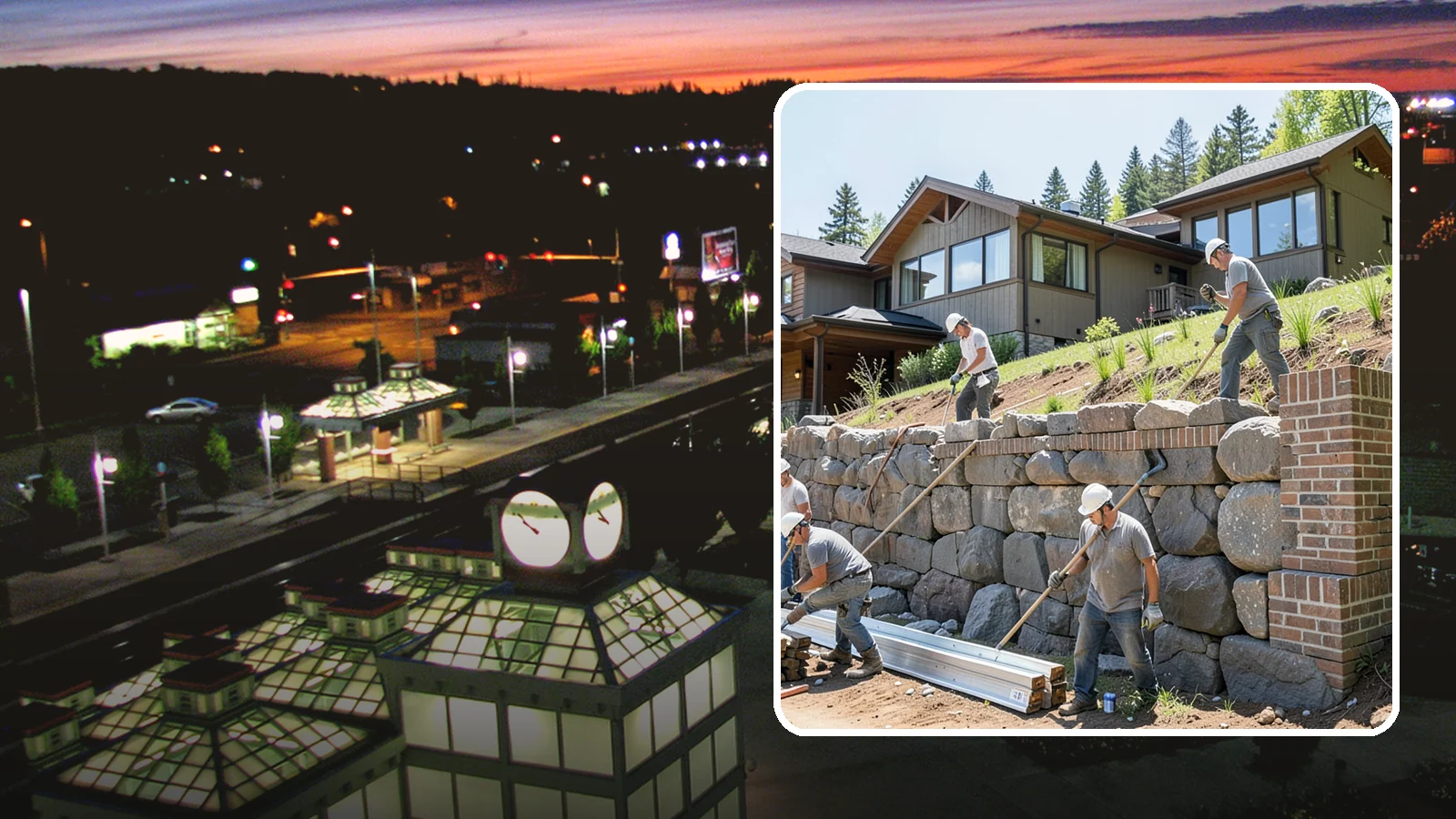
Placing large natural boulders to hold back slope with a rugged, organic look suited to Northwest landscapes.
A boulder retaining wall suits Auburn homeowners with a sloped yard, a washed-out garden edge, or a grade change that makes part of the lot hard to use. It also fits properties where a drop near a driveway, patio, or fence line needs holding back.
Washington Construction, based in Bothell, WA, has been in business for 22 years. Below, we explain the main ways to build a boulder wall and which local conditions should shape your choice.
Choosing a Boulder Retaining Wall Approach in Auburn
Most boulder walls fall into a few approaches. The right one depends on wall height, what sits above the wall, and how water moves across your lot. Auburn's rain is the main local factor, so drainage deserves attention in every option.
Why water drives the decision
Auburn gets about 43.3 inches of rain a year, per Daymet data for 2005 to 2025. Days with an inch or more are uncommon, about 5.3 a year. But the wettest single day in that period brought 3.2 inches, on November 6, 2006. A wall has to handle steady wet seasons and the occasional heavy day. Water that builds up behind soil adds pressure, so gravel backfill and a way for water to exit matter more than the look of the stone.
The options
- Low dry-stacked boulder wall: Large stones set in place without mortar, often used for modest grade changes and garden edges. The gaps let water pass through. This suits lower walls where nothing heavy sits above.
- Taller or engineered boulder wall: Taller walls, or walls holding a driveway, structure, or steep slope, call for more planning. Base preparation, stone size, and drainage all need closer attention.
- Tiered walls: Two shorter walls with a planted step between them. This can be a better fit than one tall wall on a long slope, and it gives runoff room to slow down.
What the landslide rating does and does not tell you
FEMA's National Risk Index rates landslide risk in Auburn as Relatively Low. That is a risk rating for the city, not a prediction for your yard. It does not replace a look at your own slope, soil, and drainage.
Planning around the wet months
Excavation and stone placement are easier in dry ground. Heavy rain can turn a cut slope soft and muddy, so scheduling and temporary erosion control are worth discussing before work starts.
Auburn Boulder Retaining Wall
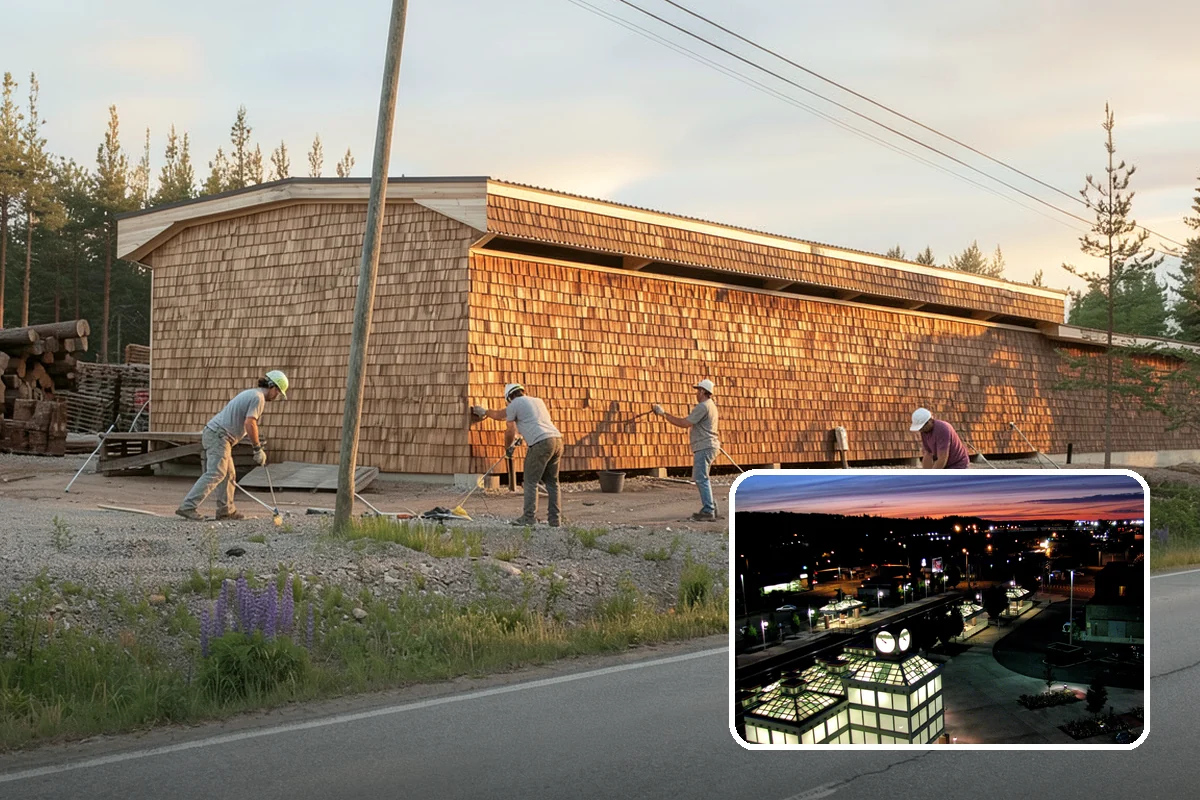
Local Service Information
Auburn
A city in the Green River valley of south King County, extending slightly into Pierce County.
Benefits
Natural, rugged look that suits Northwest settings; Gaps between the stones drain freely; Extremely durable with virtually no maintenance; Handles irregular slopes and curves with ease; Long lifespan with no material to rot or corrode
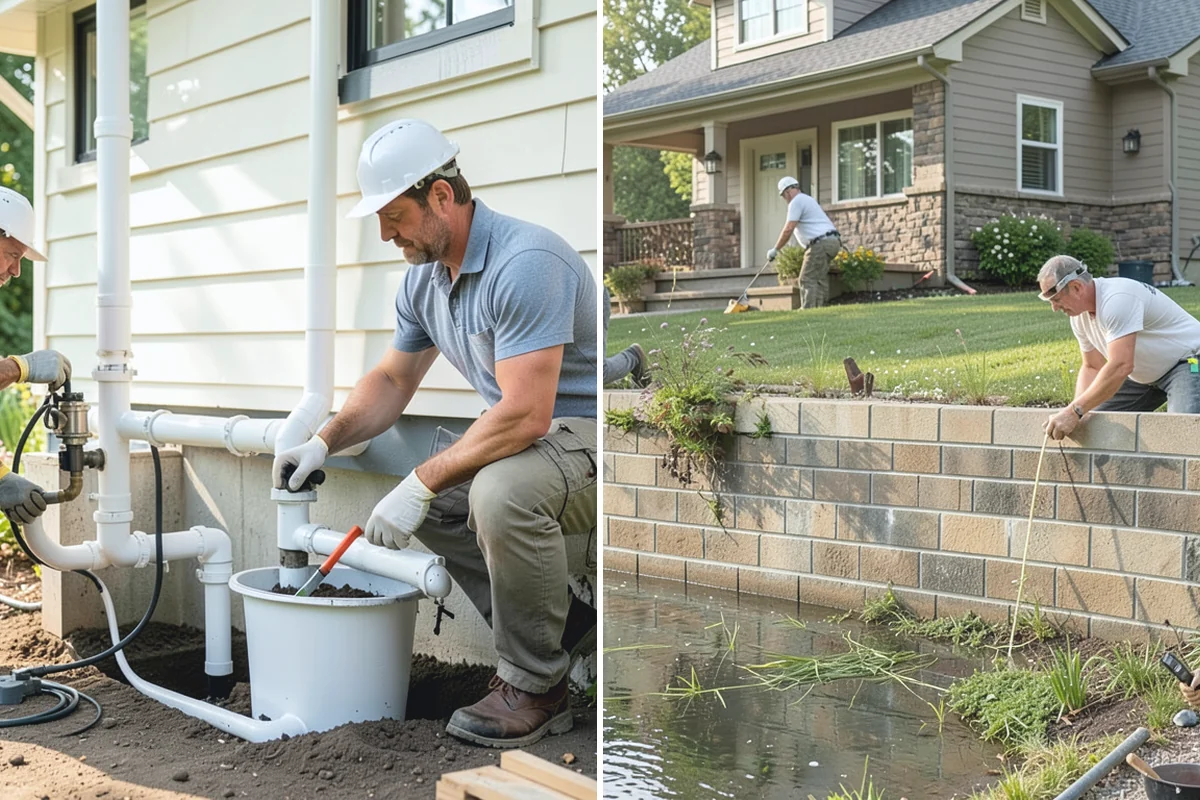
Process
Boulder Retaining Wall in nearby areas
Also serving Auburn
- Segmental Block Retaining Wall in Auburnat Washington Landscaping