Strong Foundations. Superior Results.

Yarrow Point Wainscoting Installation
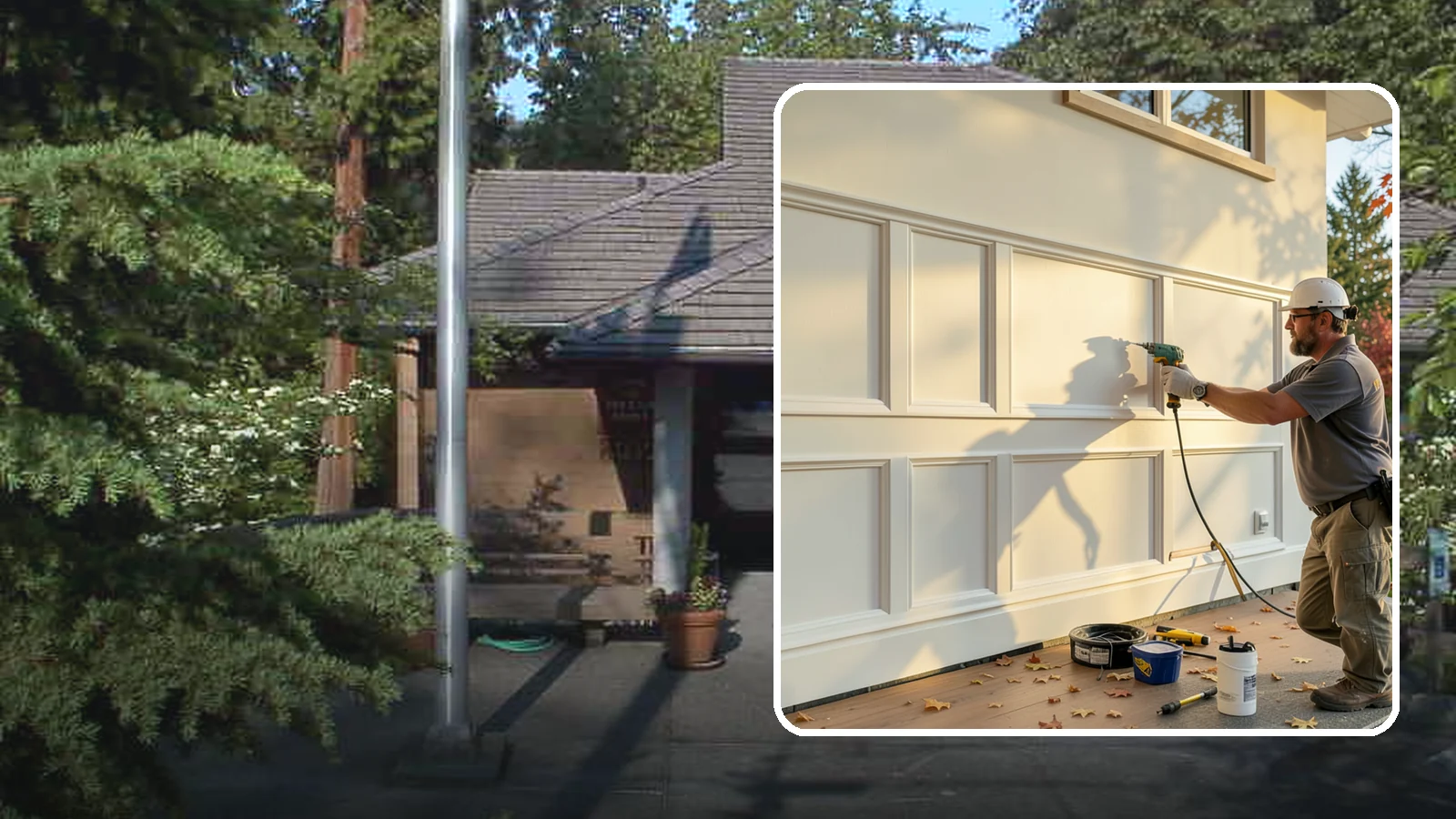
Handsome wainscoting installation that dresses the lower wall with paneling for both style and durability.
Wainscoting is interior work, so it can go in any month. Still, the wet season is a sensible time to schedule it. Yarrow Point sees about 108 days a year with 0.1 inch of rain or more (Daymet, 2005-2025), and that is when outdoor projects tend to stall and indoor ones make steady progress.
Washington Construction installs wainscoting for homeowners in Yarrow Point. This page covers how to plan the job, what changes its scope, and what to expect once work starts. Estimates are free.
Planning Wainscoting in Yarrow Point: Scope and What to Expect
Start with the room. Dining rooms, entries, hallways and stairways are common places for wainscoting. Decide how high the panels should run and which style fits the house. Raised panel, flat panel and beadboard each look different and take different amounts of labor.
What affects scope
Wall length matters most. Every corner, window, doorway and outlet adds cuts and fitting time. Stair walls add angled cuts, which take more care than straight runs. The condition of the existing walls also counts. Uneven or damaged drywall may need repair before panels go up, and old baseboards or chair rails may have to come off first.
Finish is another factor. Painted panels need priming and coats of paint. Stained wood needs a different process and more careful material choices. If the house has older paint, the crew should know that early, since homes built before 1978 may have lead paint that changes how removal and sanding are handled.
Moisture and the season
Wood trim and panels respond to humidity. Yarrow Point has about 108 days a year with 0.1 inch of rain or more, according to Daymet data for 2005 to 2025. The same data shows about 28 days a year that freeze at night and thaw by day. Neither figure tells you much about your walls. What they suggest is that indoor humidity can swing through the year. Materials usually need time to adjust to the room before they are cut and fastened, which helps limit gaps and caulk-line cracks later.
What to expect
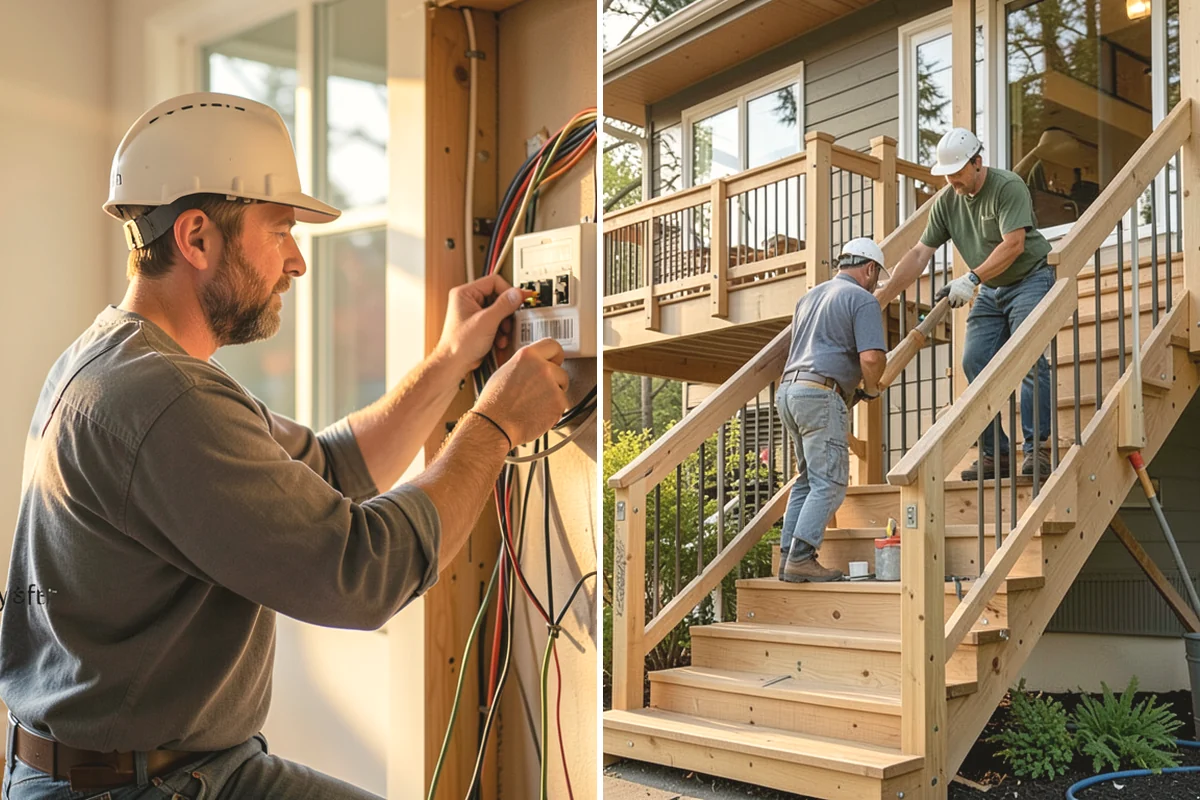
The work usually moves in a clear order: measuring and layout, removing old trim, installing panels and rails, filling and caulking, then painting. Expect some dust and noise, and plan to clear furniture and wall art from the room. Because the job is indoors, weather rarely holds it up, though paint needs reasonable drying conditions.
A free estimate begins with a look at the walls and a talk about style and height. Bring photos of rooms you like.
One practical tip: pick your paint color before the estimate, or at least narrow it to two. The finish affects how much prep and how many coats the job needs.
Yarrow Point Wainscoting Installation
Local Service Information
Yarrow Point
A small residential town on a peninsula in Lake Washington near Bellevue.
Benefits
Durable protection for high-traffic lower walls; Custom panel layouts scaled to your room; Added depth and warmth to flat surfaces; Moisture-tolerant materials for PNW conditions; A high-end, built-in appearance
Process