Strong Foundations. Superior Results.

Yarrow Point Drain Line Installation
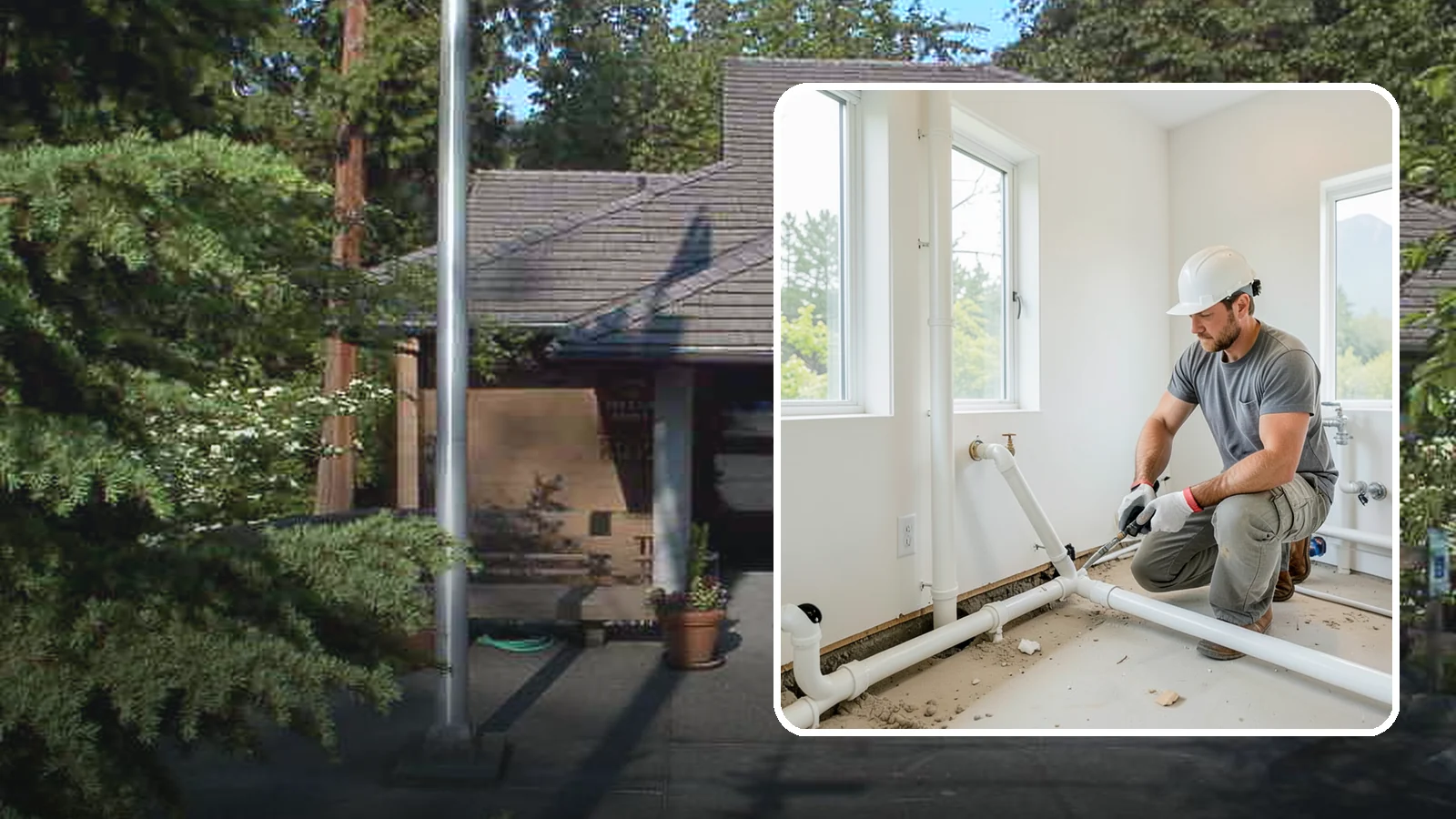
We install and reroute interior drain and waste lines for remodels, additions, and fixture relocations.
In Yarrow Point, about 108 days a year bring 0.1 inch or more of rain, per Daymet data from 2005 to 2025. That matters for a drain line. Trenches stay wet, soil gets heavy, and water needs a planned path away from the work.
Washington Construction installs drain lines for homeowners in Yarrow Point. Our own crews handle plumbing work, so the person who lays out your line is not a subcontractor. Below is how the job usually goes and which local details should shape your decisions.
How Drain Line Installation Works in Yarrow Point
A drain line carries wastewater or runoff away from your house. The steps are fairly standard, and a few local details change how you plan them.
The basic steps
- Locate the connection point and decide the route.
- Mark utilities and check the path for obstacles such as trees, paving and foundations.
- Dig the trench and set the pipe at a steady slope so water keeps moving.
- Connect the line, test it, and then backfill and restore the surface.
Rain affects the schedule and the trench
Yarrow Point sees about 108 days a year with 0.1 inch or more of rain, according to Daymet data for 2005 to 2025. An open trench in wet soil can slump or fill with water. Digging in drier stretches, and covering or pumping the trench when needed, helps keep the pipe bed stable. Ask how a wet week would change the plan before work starts.
Frost is a smaller concern
The town has about 28 days a year that freeze at night and thaw by day, also per Daymet. That is not many. Still, repeated freezing and thawing can move shallow soil and exposed fittings. Burying the line at a proper depth and protecting any pipe that stays near the surface are sensible habits here.
One crew for the plumbing
Washington Construction is licensed, bonded and insured for $2M, and our own crews do plumbing, electrical and HVAC work rather than subcontracting it. If your drain job touches other systems, such as a pump or a nearby utility line, one team can coordinate it.
Planning with a small town in mind
Yarrow Point has about 462 homes. With so few, there is no reliable Census percentage to tell you what your lot or pipe is likely to look like. The best guide is your own property. A site visit and a look at the existing line will tell you more than any town-wide average.
Yarrow Point Drain Line Installation
Local Service Information
Yarrow Point
A small residential town on a peninsula in Lake Washington near Bellevue.
Benefits
Correct slope ensures fast, reliable gravity drainage; proper venting prevents slow drains and sewer odors; clean tie-ins to existing stacks and mains; leak-tested connections before concealment; supports fixture relocations in any remodel

Process