Strong Foundations. Superior Results.

Snohomish Gutter Installation
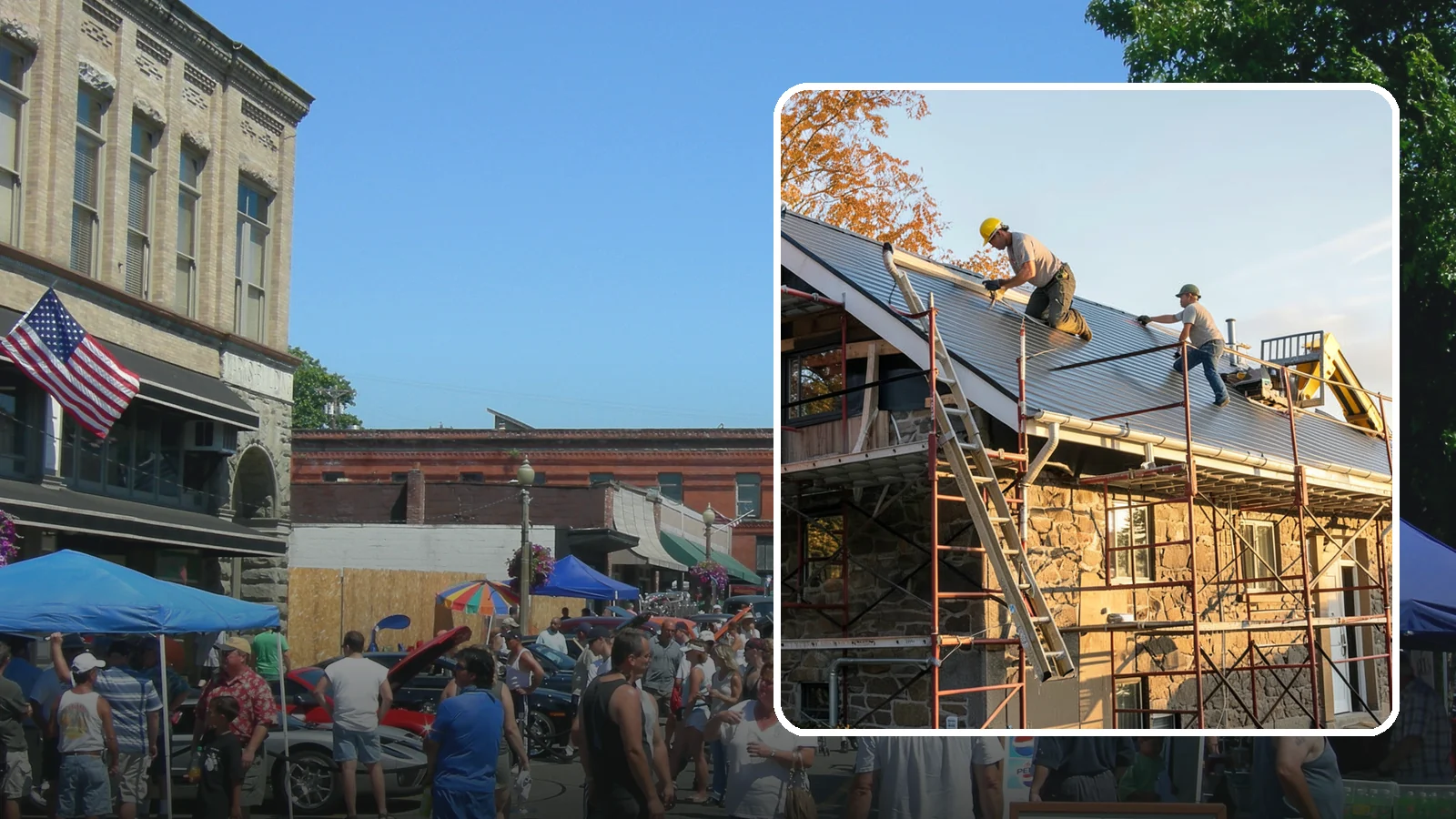
We install gutter systems that channel Western Washington’s heavy rainfall safely away from your home.
You notice water spilling over the edge during a storm, or a stained fascia board, or mud splashed up the siding. Maybe a soggy flower bed by the foundation never dries out. Those are the usual reasons Snohomish homeowners start looking at gutters.
Washington Construction has been in business for 22 years, and gutter installation is one of the jobs we handle. This page explains what drives gutter problems here and what a new system should account for before anyone climbs a ladder.
Gutter Installation in Snohomish: Rain, Trees and Sizing
Gutters fail for a few plain reasons. They are too small for the roof area they drain. They are pitched wrong, so water sits instead of moving to the downspout. Or they clog with debris and overflow. Overflow is the most common one, and it is what sends water down the siding and into the soil beside the foundation.
What local weather means for the design
Snohomish gets about 46.8 inches of rain a year, according to Daymet data for 2005-2025. Days with an inch or more of rain are rare, about 3.6 a year. That tells us the gutters are not working hard every day. They are tested hard on a few heavy days. The wettest single day in that period brought 2.4 inches, on December 3, 2007. A system sized only for light rain can overflow on a day like that, so capacity and the number and placement of downspouts matter.
Trees change the maintenance
Tree canopy covers about 24.5% of Snohomish, per USFS/NLCD 2025 data. If your lot has mature trees near the roof, expect needles, leaves and seeds to land in the gutters. Debris is what turns a heavy rain into an overflow. For a house like that, it is worth talking about gutter guards or a plan for regular cleaning, and about how far downspouts should carry water from the house.
What the work involves
A typical installation covers these steps:
- Checking the fascia for rot before anything is attached to it
- Removing old gutters and downspouts, if there are any
- Hanging new gutters with a slight slope toward the outlets
- Placing downspouts and extensions so water drains away from the foundation
- Sealing joints and testing the flow
Fascia condition is worth noting. Gutters are only as solid as the board behind them, and in a wet climate that board is worth inspecting first.
Snohomish Gutter Installation

Local Service Information
Snohomish
A historic city on the Snohomish River known for its antique district and river valley setting.
Benefits
Directs heavy PNW rainfall away from the home; Protects the foundation from erosion and pooling; Prevents siding and fascia water damage; Sized to your actual roof area and pitch; Securely hung for long-term reliability

Process
Gutter Installation in nearby areas
Also serving Snohomish
- Gutter Overflow Cleanup in Snohomishat Washington Pressure Washing