Strong Foundations. Superior Results.

Pacific Barn Construction
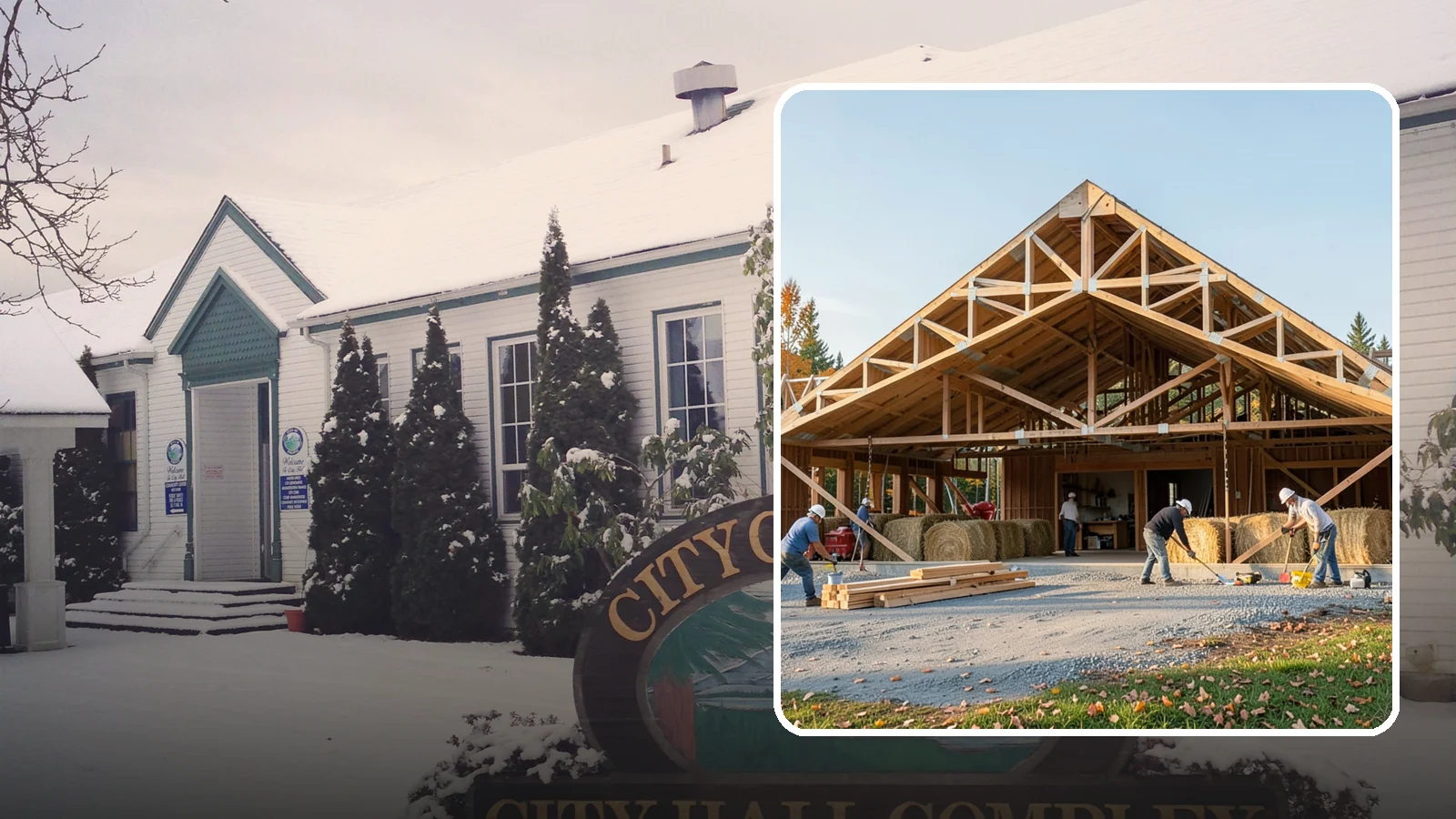
Traditional and modern barns built for livestock, hay, equipment, or storage.
This page is for Pacific property owners who want a barn for animals, hay, equipment or workshop space, whether on open acreage or a lot with an older house already on it. It also suits owners replacing a worn outbuilding.
Washington Construction has been in business for 22 years and is based in Bothell, WA. Below, we compare common barn approaches and how Pacific's snow and wind figures can steer the choice.
Choosing a Barn Style and Frame for Pacific, WA
Most barns come down to a few choices. Each one reacts differently to local weather, so it helps to weigh them before you settle on a design.
Common approaches
- Post-frame (pole) barn: Large posts set or anchored in the ground carry the roof. It is a common choice for wide, open interiors such as equipment bays and hay storage.
- Stick-framed barn: Conventional walls and trusses on a foundation. It suits a barn that will have a finished workshop, a loft or heated space.
- Open-sided or hybrid layout: Part enclosed, part covered. It works for livestock shelter and drive-through storage where airflow matters.
What Pacific conditions favor
Average snowfall in Pacific is about 6.5 inches per season. That is light, so snow load is rarely the main driver of a roof design here. Roof pitch and truss spacing still need to be sized correctly for the building, and a hay loft adds weight that a simple shed does not.
Wind deserves more attention. The forecast zone that includes Pacific logged 38 high and strong wind episodes from 2005 to 2025. Large barn doors and open sides catch wind. That favors solid post embedment or anchoring, good bracing, and doors that latch and hold. If you lean toward an open-sided layout, think about which direction the openings face.
If there is an older house on the lot
The Census ACS 2020-2024 estimates that about 38% of housing units in Pacific were built before 1980, a figure that includes apartments. If your barn will sit close to an older home or replace an older outbuilding, the old structure may have lead paint or other materials that need careful handling during demolition. Plan for that before the build starts.
Tell us how you will use the barn first. Animals, storage and a workshop each point to a different frame, and the choice is easier once the use is clear.
Pacific Barn Construction
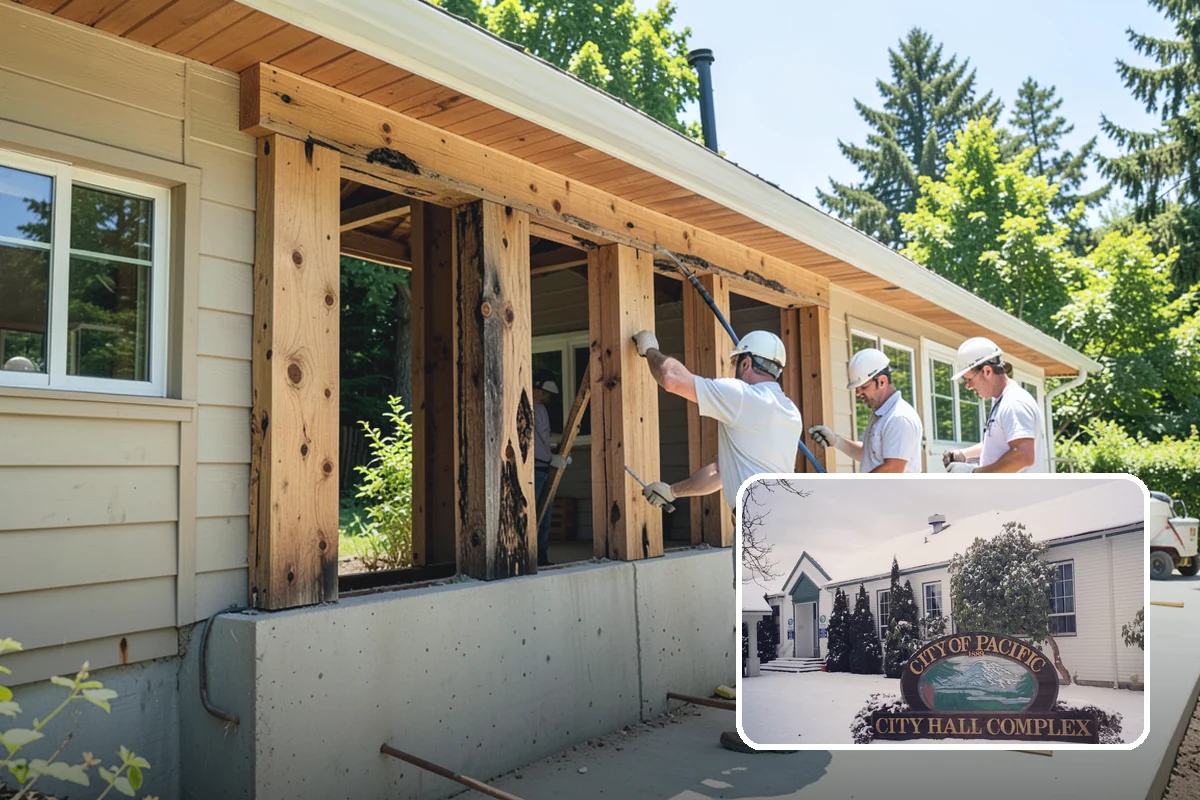
Local Service Information
Pacific
A small city on the King and Pierce county line along the White River near Auburn and Sumner.
Benefits
Spacious clear spans for animals and equipment; Durable post-frame or timber construction; Ventilation designed for livestock health; Roofing and siding built for wet PNW weather; A flexible layout for hay, stalls, or storage
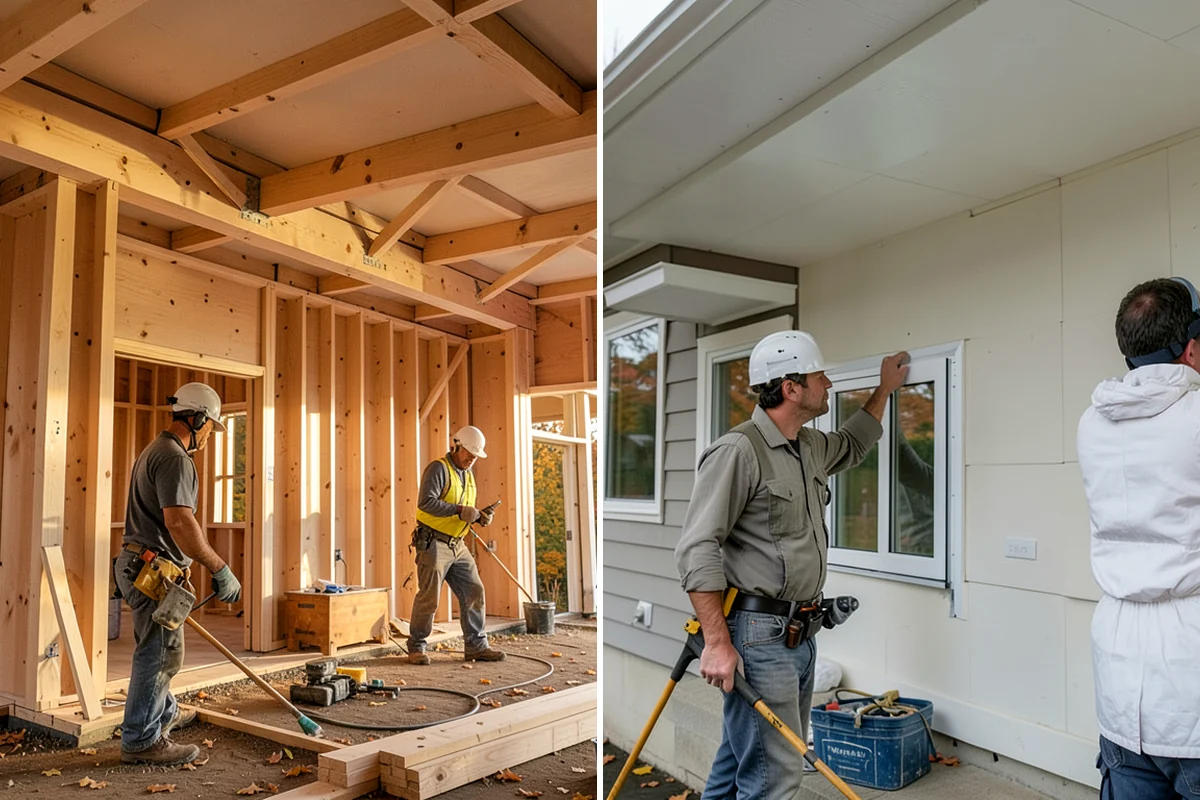
Process
Also serving Pacific
- Reroofing in Pacificat Washington Roofing
- Gazebo Installation in Pacificat Washington Landscaping