Strong Foundations. Superior Results.

Oak Harbor Chimney Construction

Code-compliant chimney construction built to draft properly and shed Northwest rain for the long haul.
Chimney construction in Oak Harbor makes most sense in the drier months, usually late spring through early fall. Masonry, flashing and roof work all go better when the weather is not wet. Planning in winter lets you be ready when that window opens.
Washington Construction has been in business for 22 years and builds chimneys for homeowners who want a new fireplace, stove or furnace flue. This page covers how to plan the work, what shapes the scope and what to expect once it starts.
Planning a Chimney Build in Oak Harbor, WA
Start with how you plan to use the chimney. A new masonry fireplace, a wood stove flue and a vent for another appliance each call for different construction. Decide this first, because it sets the size, the materials and where the chimney can sit in the house.
Why use matters here
The Census reports that only 0.2% of homes in Oak Harbor are heated mainly with wood. That is a statewide-style reminder that most neighbors rely on other heat. For you, it means a chimney is likely a choice for ambiance, backup heat or a specific appliance, not a necessity. Think about how often you would really burn, since that affects how much to put into the build.
What affects scope
Several things change the size of the job. Location matters: an interior chimney runs through the floors and roof, while an exterior one is built against a wall. Height and roof pitch affect the framing and flashing. Finish materials, such as brick or stone veneer, also change the work.
Age of the house matters too. About 34% of housing units in Oak Harbor were built before 1980, per the Census ACS 2020-2024, and that figure includes apartments. If your home is older, expect the crew to look closely at the framing and any existing materials where the chimney will tie in. Homes built before 1978 may also have lead paint, which affects how nearby surfaces are handled.
Earthquake risk is another factor. FEMA's National Risk Index rates Oak Harbor as Relatively High for earthquakes. That is a risk rating, not a prediction. Masonry is heavy, so it is worth asking how the chimney will be anchored and supported to the house.
What to expect
Expect a site visit, a walk through of your options, and a scope that spells out materials and finishes. Construction usually moves from the base and structure to the flue, then the roof flashing and exterior finish. Ask what the schedule looks like around weather.
One practical tip: before you meet a contractor, mark where you want the chimney on a simple sketch and note the appliance you have in mind. It makes the first conversation much more specific.
Oak Harbor Chimney Construction
Local Service Information
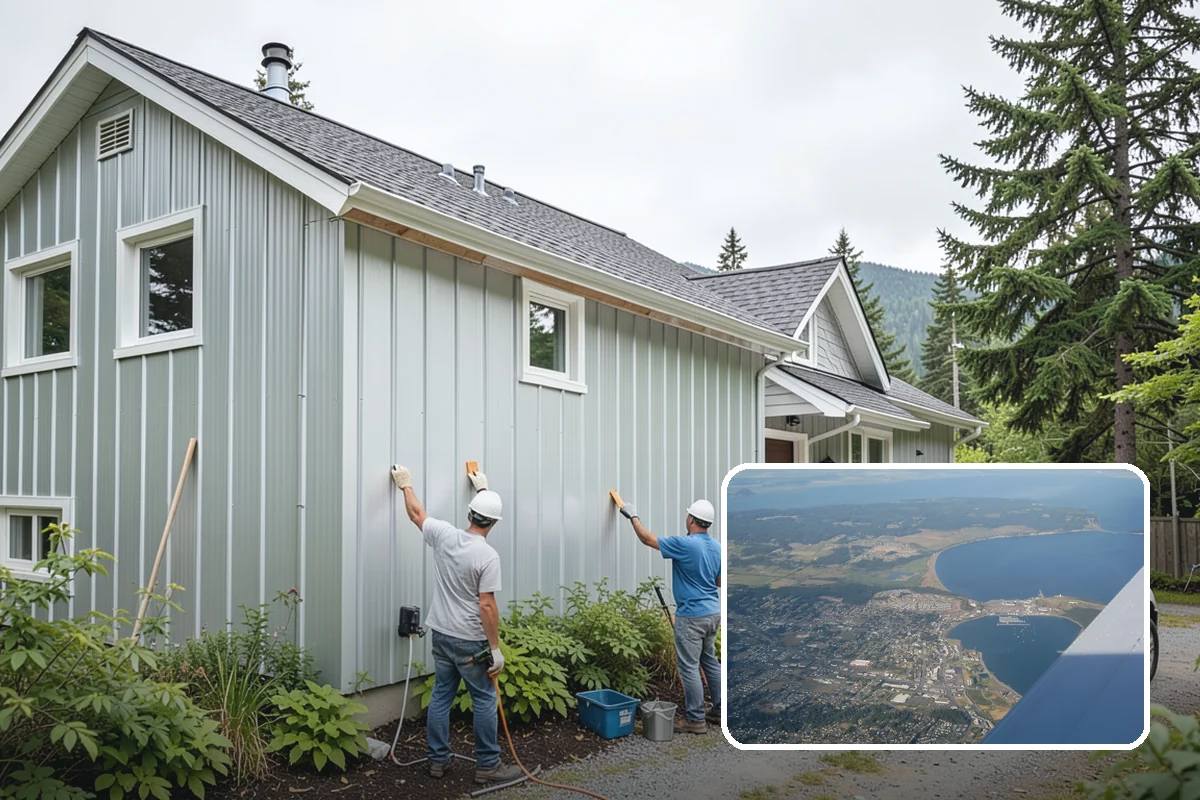
Oak Harbor
The largest city on Whidbey Island, near Naval Air Station Whidbey Island.
Benefits
Built to fire and building code; Proper draft and safe venting; Flashing, crown, and cap shed rain; Moisture-resistant material selection; Complements the home’s exterior
Process

Chimney Construction in nearby areas
Also serving Oak Harbor
- Limestone Cleaning in Oak Harborat Washington Pressure Washing
- Driveway Installation in Oak Harborat Washington Landscaping
- Chimney Cap Installation in Oak Harborat Washington Roofing