Strong Foundations. Superior Results.

Mountlake Terrace Foundation Underpinning
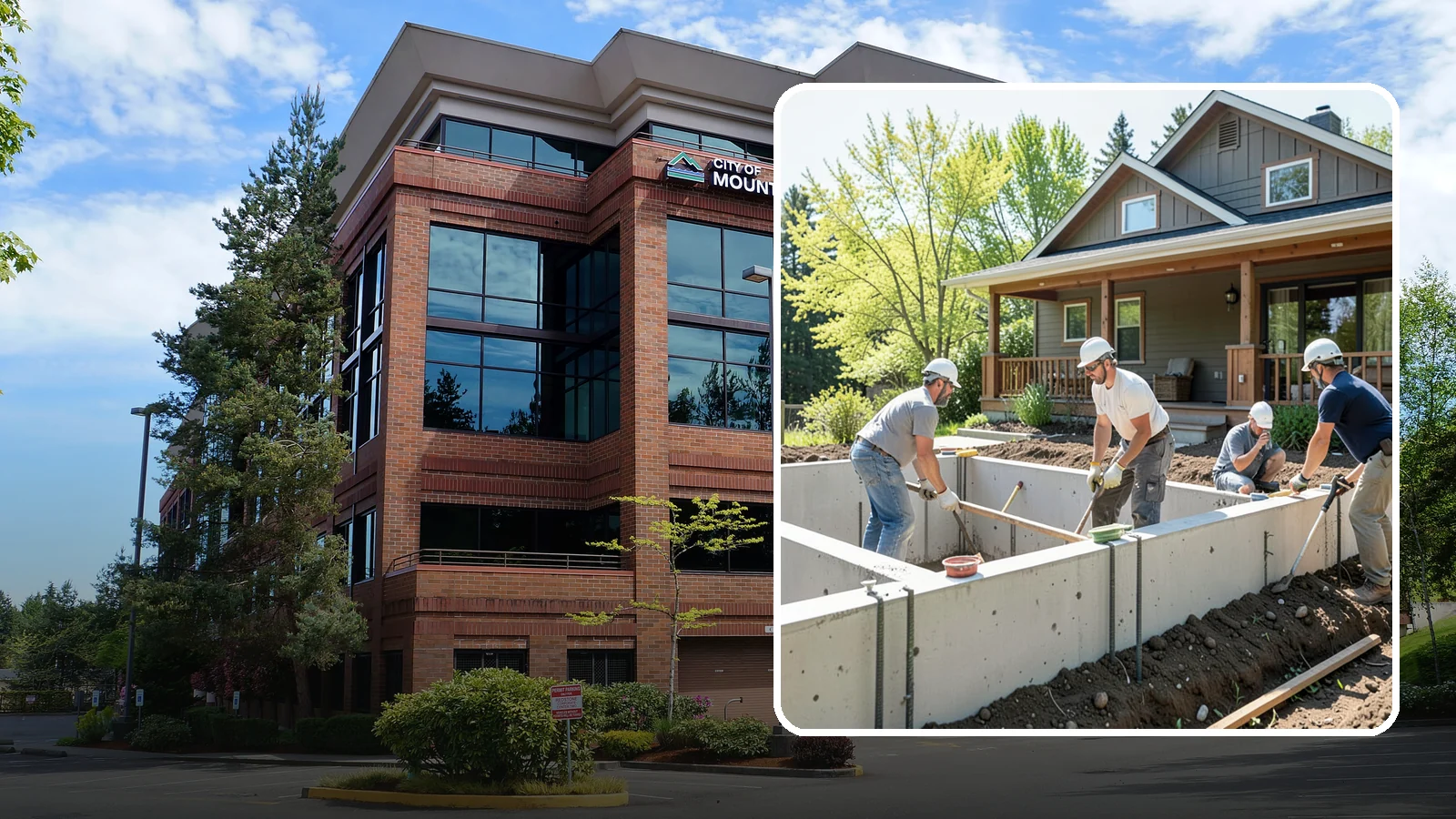
We underpin existing foundations to extend them to stronger soil and stop ongoing settlement in its tracks.
Does my Mountlake Terrace house need foundation underpinning? Only an inspection of the foundation and the soil beneath it can answer that. Underpinning deepens or widens a footing so it bears on stronger ground. It is used when a foundation has settled or can no longer carry the load above it.
Local data can help you plan. About 60% of housing units in Mountlake Terrace were built before 1980, per the Census ACS 2020-2024, and that figure includes apartments. Washington Construction, based in Bothell, WA, has been in business for 22 years.
Underpinning a Mountlake Terrace Home: What to Consider
Age of the house
The Census ACS 2020-2024 estimate is that about 60% of housing units in Mountlake Terrace were built before 1980. That number includes apartments, so it says little about any single house. It is still a reason to check your own. Older foundations were often built to earlier standards, and they may have smaller footings, unreinforced concrete or other details that are worth a close look before any work is designed.
Earthquake risk
FEMA's National Risk Index rates earthquake risk in Mountlake Terrace as Relatively High. This is a risk rating, not a prediction. It matters here because underpinning changes how your house sits on the ground. If you are already planning to strengthen a foundation, it makes sense to ask how seismic performance fits into the same plan. An engineer can say what your house needs.
Landslide risk
The same FEMA index rates landslide risk for Mountlake Terrace as Relatively Low. That is a general rating for the city, not a finding about your lot. Slope and soil conditions can differ from one property to the next. If your yard slopes or the soil is soft, mention it early so it is part of the assessment.
What to do first
- Note any cracks, sticking doors or uneven floors, and when you first saw them.
- Ask for an inspection of the foundation and the soil before choosing a repair method.
- Ask how the work would be sequenced around the rest of your house.
Underpinning is heavy work that is designed around the specific cause of the movement. A clear diagnosis comes before a plan.
Mountlake Terrace Foundation Underpinning
Local Service Information
Mountlake Terrace
A residential city in southwest Snohomish County near the King County line.
Benefits
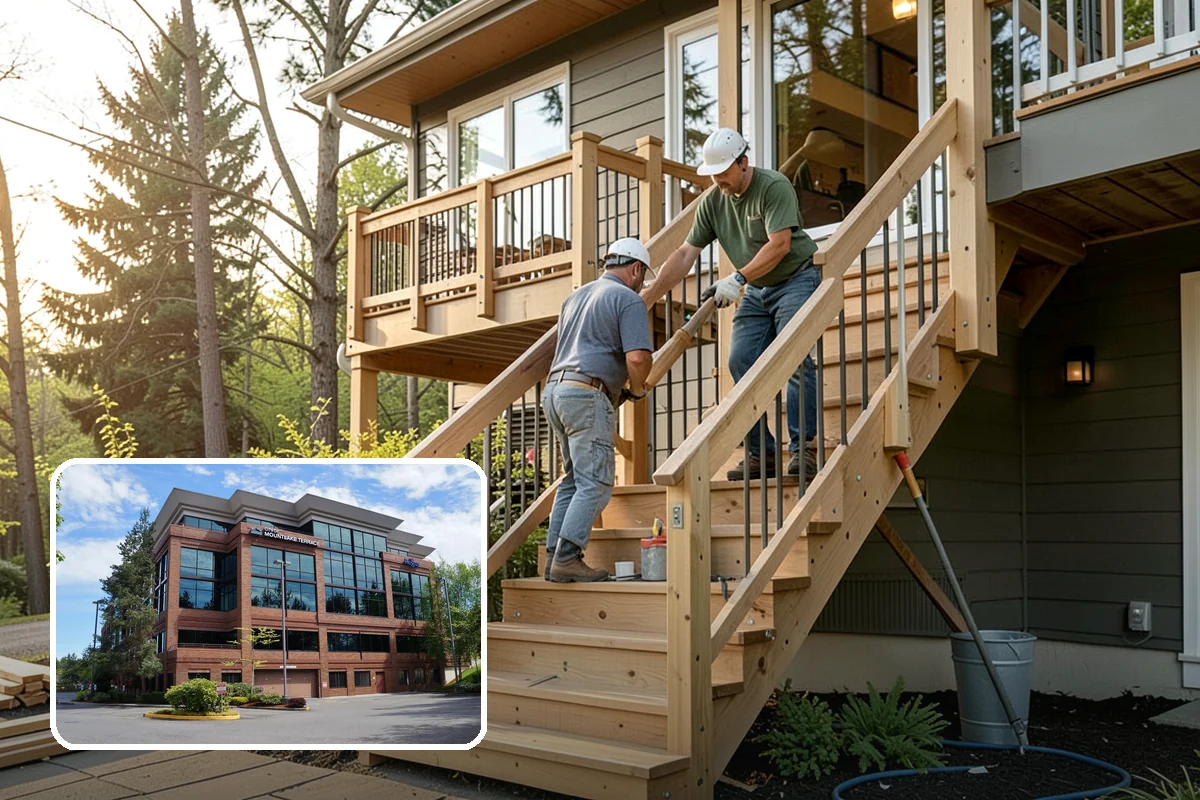
Settlement stopped by reaching competent bearing soil; A stronger, deeper foundation beneath the existing home; Sequenced work that keeps the structure supported; A proven fix for soft or shifting regional soils; Long-term stability that protects the finishes above
Process

Also serving Mountlake Terrace
- Downspout Burial in Mountlake Terraceat Washington Landscaping
- Riprap Installation in Mountlake Terraceat Washington City Services