Strong Foundations. Superior Results.

Milton Battery Storage Installation
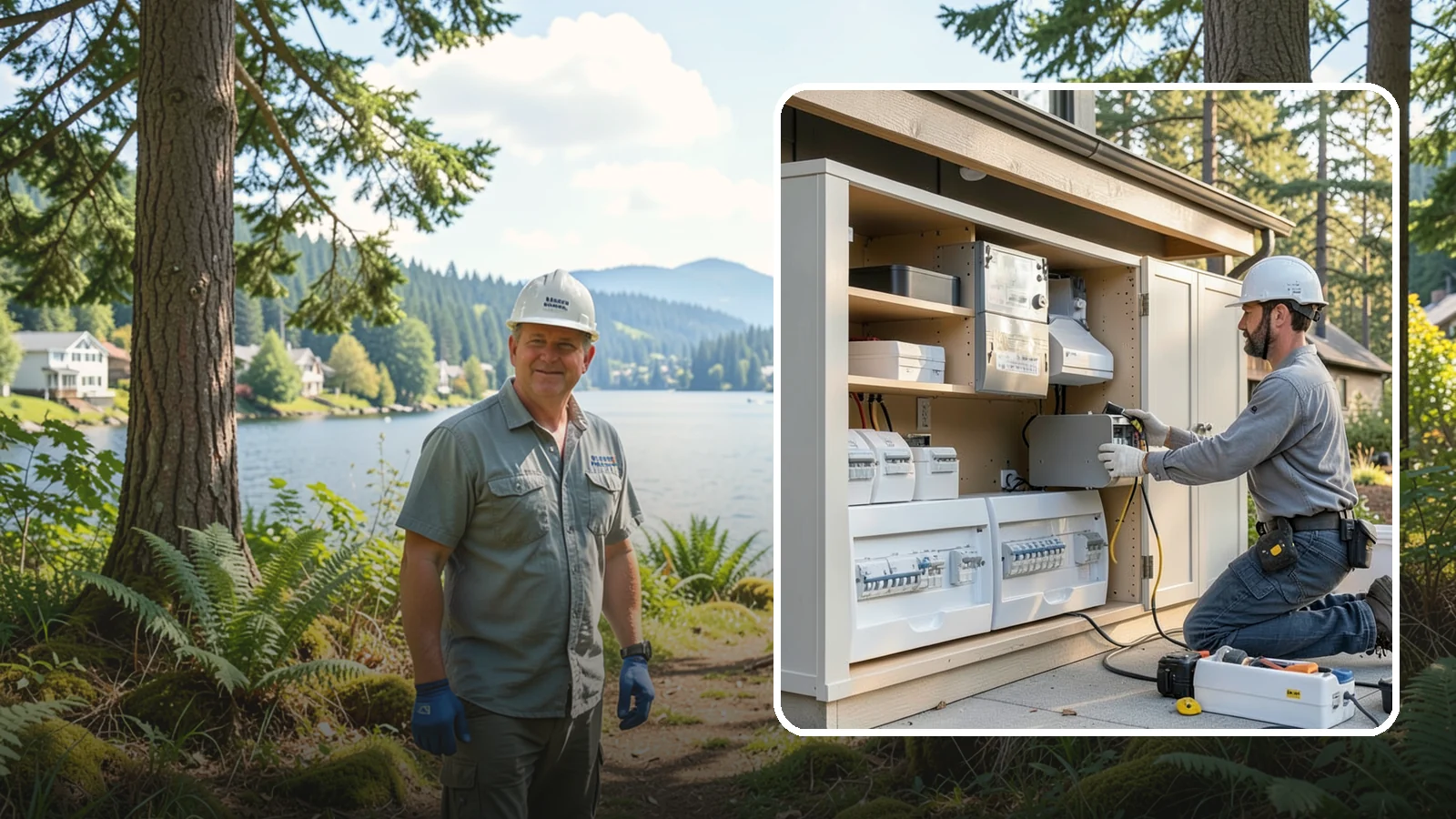
Home battery storage installation that keeps essentials running when the power goes out.
In Milton, the best time to plan battery storage is before the wet, stormy months arrive. The area gets about 112 days a year with 0.1 in or more of rain (Daymet, 2005-2025), so outdoor work goes more smoothly when you schedule it ahead of that stretch rather than in the middle of it.
The forecast zone that includes Milton had 2 ice storm episodes between 2005 and 2025. That is a reason to think about backup power early. Washington Construction gives free estimates, so you can talk through placement and scope before you commit to anything.
Planning Battery Storage for Your Milton Home
Start with what you want the battery to do. Some homeowners want backup for a few key circuits, such as the refrigerator, lights and a furnace fan. Others want to cover most of the house. That choice drives the size of the system and the electrical work around it.
What affects scope
Location is the first question. Batteries are usually mounted in a garage, utility room or on an exterior wall. Each spot has its own clearance and ventilation needs, and an outdoor spot means thinking about rain. Milton sees about 112 days a year with 0.1 in or more of rain, so a protected, well-drained location matters.
Your existing electrical panel matters too. About 35% of housing units in Milton were built before 1980, per the Census ACS 2020-2024, and that figure includes apartments. It does not describe any one house. But if your home is older, the panel may need a review. An older panel can limit how a battery ties in, and upgrading it adds work to the job.
Whether you have solar, or plan to add it, also changes the design. A battery paired with panels is wired differently from a standalone unit.
What to expect
Expect a site visit first. We look at your panel, the proposed battery location and the circuits you want backed up. From there you get a written scope that spells out the equipment and electrical work. Utility and local requirements are confirmed as part of planning, so ask about them at the estimate.
Installation involves mounting the unit, connecting it to the panel, and testing it. Weather can shift exterior work, so leave some flexibility in your schedule.
One practical tip: before the estimate visit, make a list of what you want running during an outage, and take a photo of your electrical panel with the door open. It speeds up the conversation and makes the scope clearer.
Milton Battery Storage Installation

Local Service Information
Milton
A small city on the King and Pierce county line between Federal Way and Fife.
Benefits
Provides backup power during storm outages; Powers essential circuits automatically; Stores solar energy for evening use; Reduces reliance on the grid; Installs to WA electrical code with permits
Process

Battery Storage Installation in nearby areas
Also serving Milton
- Attic Moisture Control in Miltonat Washington Roofing