Strong Foundations. Superior Results.

Issaquah Walk-In Shower Installation
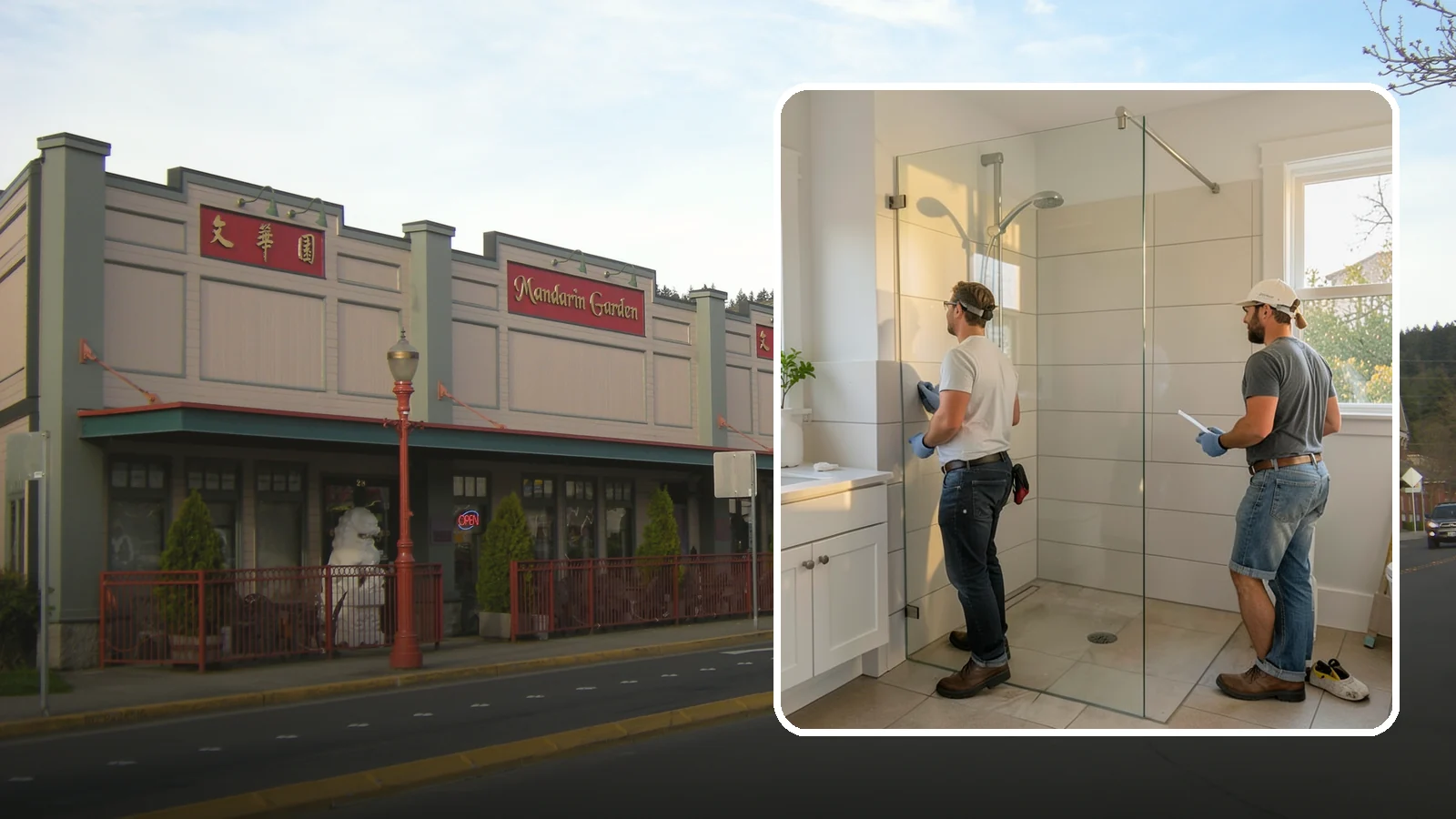
A walk-in shower installation delivers an open, curb-free bathing area that feels modern and accessible.
A walk-in shower is an interior job, so it does not depend on good weather the way a deck or siding project does. In Issaquah, the wetter months from fall through spring are a sensible time to plan one, because you are indoors more and the bathroom is easier to take out of service.
Washington Construction has been in business for 22 years. This page covers how to plan a walk-in shower installation in an Issaquah home, what shapes the scope of the work, and what to expect once it starts.
Planning a Walk-In Shower in Issaquah Homes
Start with the age of your house. Census data (ACS 2020-2024) shows about 45% of Issaquah housing units were built between 1990 and 2009, so they are now roughly 15 to 35 years old. In a home from that era, the existing tub or shower is often original. Behind the walls, you may find the waterproofing and framing of that period, and these are worth checking before you settle on a design.
The same data shows about 17% of Issaquah housing units were built before 1980, a figure that includes apartments. If your home is that old, the walls may hold older materials. Homes built before 1978 may have lead paint, so that is worth testing before any demolition.
What affects scope
A walk-in shower often replaces a tub or a smaller stall. The scope grows or shrinks based on a few things:
Size and layout. Using the existing footprint is simpler than moving walls or relocating the drain. A curbless entry usually needs the floor framing to be adjusted so the shower floor can slope to the drain.
Plumbing. Moving the drain or valve takes more work than reusing the current locations.
Condition of what is behind the tile. Once the old surround comes out, hidden water damage or rot can add repair work. It is better to expect that possibility than to be surprised by it.
Finishes and glass. Tile, a pre-made base, and a frameless glass panel all change the work involved and the order of the steps.
What to expect
The job generally moves from demolition to plumbing and framing, then waterproofing, tile or wall panels, and finally glass and fixtures. Waterproofing needs time to cure before tile goes on, so the schedule is not just a matter of how fast tile can be set. Your bathroom will be out of use for part of the work, so plan another bathroom or alternate arrangements.
About 57% of occupied homes in Issaquah are owner-occupied, per the Census. If you own your home, you decide on the design. If you rent, any change needs the owner's approval first.
Practical tip: choose your tile, fixtures, and glass before work begins, so the plan reflects the real dimensions and nothing stalls midway.
Issaquah Walk-In Shower Installation
Local Service Information
Issaquah
A city at the base of the Issaquah Alps on the Eastside, surrounded by forested hills.
Benefits
Provides easy, barrier-free entry; Creates a spacious, contemporary appearance; Simplifies cleaning with fewer nooks; Supports aging-in-place accessibility
Process