Strong Foundations. Superior Results.

Des Moines Commercial Kitchen Construction

Construction of commercial kitchens with compliant ventilation, plumbing, and equipment.
About 60% of housing units in Des Moines were built before 1980, per the Census ACS 2020-2024, and that figure includes apartments. If your commercial kitchen is going into an older building, expect to learn how the walls, floors and utilities are put together before any equipment is ordered.
Washington Construction is a licensed, bonded and insured ($2M) contractor based in Bothell, WA. This page explains how a commercial kitchen build usually moves forward and which local details can shape your decisions.
Planning a Commercial Kitchen Build in Des Moines
A commercial kitchen is a different kind of build from a home remodel. The space has to handle heat, grease, water and heavy daily use. Here is how the work generally runs.
Start with the building
About 60% of housing units in Des Moines were built before 1980, per the Census ACS 2020-2024. That number includes apartments, and it says nothing about any one property. Still, if your space is in an older structure, plan for a close look at what is behind the finishes. Older buildings may have electrical service, plumbing lines or floor slabs that were never sized for commercial equipment. Buildings from before 1978 may also have lead paint, which changes how demolition is done.
Newer construction is not automatically simpler. About 14% of Des Moines housing units were built from 1990 to 2009, so they are now 15 to 35 years old. Systems in that age range may be ready for review before you add heavy loads.
Typical steps
- Walk the space and confirm what the layout, power, water and drainage can support.
- Settle the equipment list, since it drives the electrical, gas, venting and drain needs.
- Rough in utilities, ventilation and drainage.
- Install durable, cleanable surfaces for floors and walls.
- Set equipment and finish the work.
Budget and scope
The median value of owner-occupied homes in Des Moines is about $597,000, per the Census ACS 2020-2024. If you are converting part of a residential property, keep that in mind when weighing how much to change. Upgrades should fit the property and how you plan to use the kitchen.
Tell us early what you plan to cook, how many people will work the line and what equipment you already own. Those answers shape the whole plan.
Des Moines Commercial Kitchen Construction
Local Service Information
Des Moines
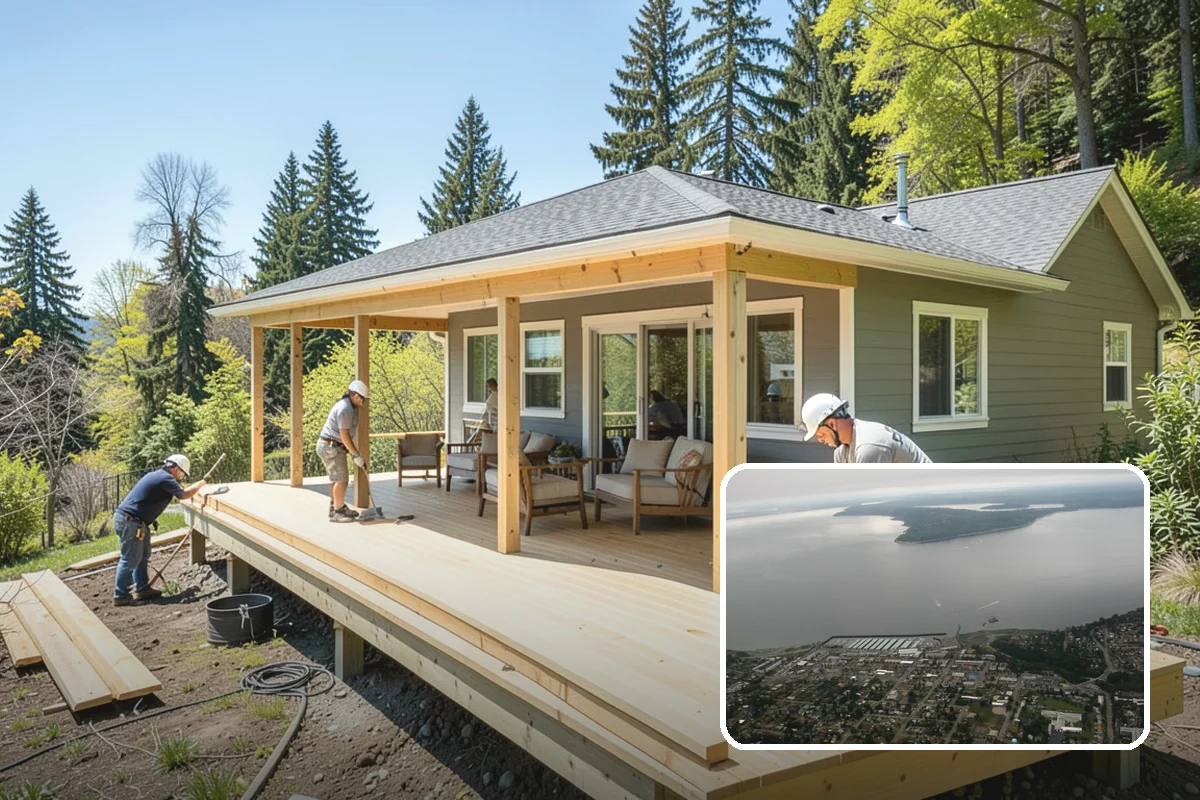
A waterfront city on Puget Sound in south King County with a marina and shoreline neighborhoods.
Benefits
Code-compliant hood, grease, and fire-suppression systems; Durable, sanitary surfaces built for hard use; Efficient equipment layout for real service; Proper drainage and plumbing for wet work; Coordinated health and fire inspections
Process
Commercial Kitchen Construction in nearby areas
Also serving Des Moines
- Municipal Restroom Construction in Des Moinesat Washington City Services
- Medical Facility Roofing in Des Moinesat Washington Roofing
- HOA Pressure Washing in Des Moinesat Washington Pressure Washing
- Emergency Commercial Snow Removal in Des Moinesat Washington Snow Removal