Strong Foundations. Superior Results.

Clyde Hill Siding Installation

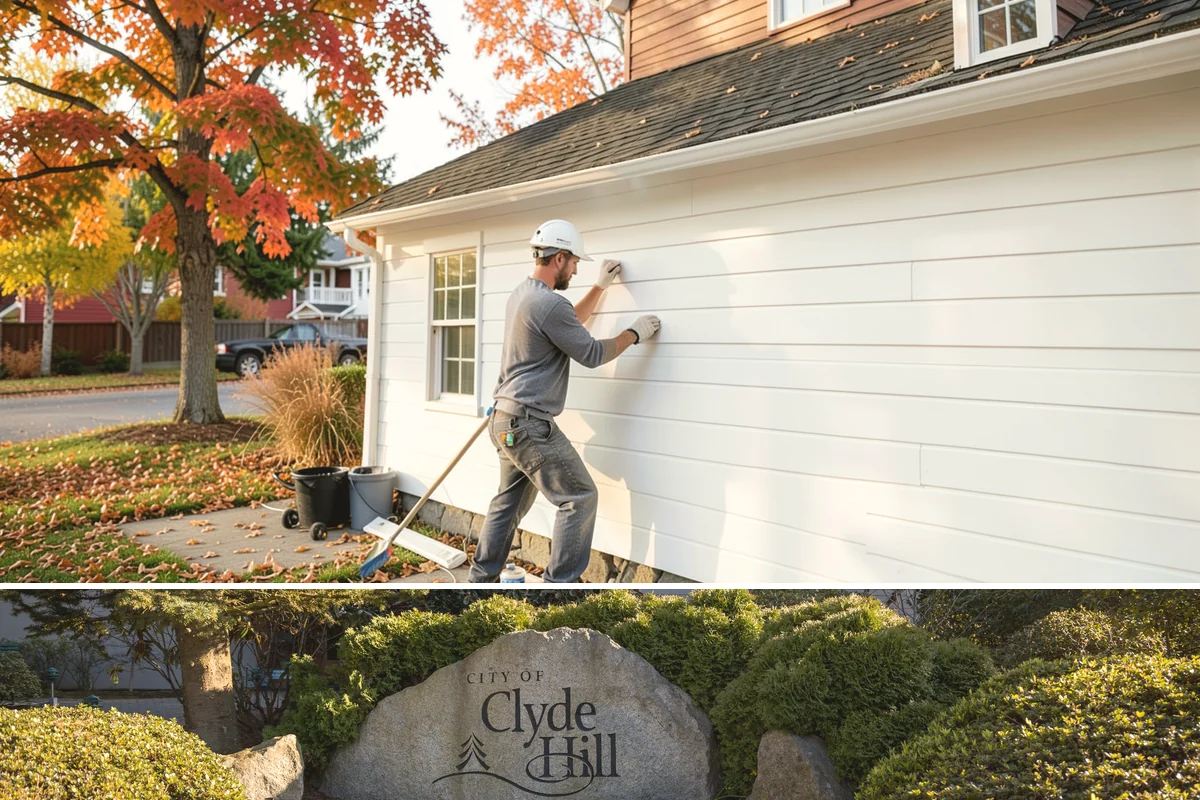
We install new exterior siding that shields Western Washington homes from wind-driven rain and constant Puget Sound moisture.
Siding work in Clyde Hill fits best in the drier part of the year. Clyde Hill sees about 107 days a year with 0.1 in or more of rain (Daymet, 2005-2025). Open walls and fresh sealant do better when the forecast gives you several dry days in a row.
Planning ahead matters, because the wall is open while old siding comes off and new siding goes on. Washington Construction, based in Bothell, WA, installs siding and can help you sort out scope and sequence before any work starts. Financing is available, subject to credit approval.
Planning Siding Installation in Clyde Hill, WA
Start with the age of the house. About 66% of housing units in Clyde Hill were built before 1980, per the Census ACS 2020-2024. That figure includes apartments, so it does not describe any one home. It does mean an older house is a real possibility. Homes built before 1978 may have lead paint on trim or old siding, and that changes how removal is handled. Older walls can also hide rot or outdated wrapping that only shows once the old siding is off.
What affects scope
The material you pick is one factor. The condition of the sheathing behind it is another. If water has reached the wall, damaged boards need repair before new siding goes up. Trim, windows, flashing and corners all add work, because they are where water most often gets in. A simple re-side of flat walls is a different job from one with many details and heights.
Weather shapes the plan too. With about 107 days a year of 0.1 in or more of rain, wall protection during the job needs thought. Clyde Hill also has about 29 days a year that freeze at night and thaw by day (Daymet). Repeated freeze and thaw can stress joints and sealant, so careful flashing and caulking details are worth discussing.
What to expect
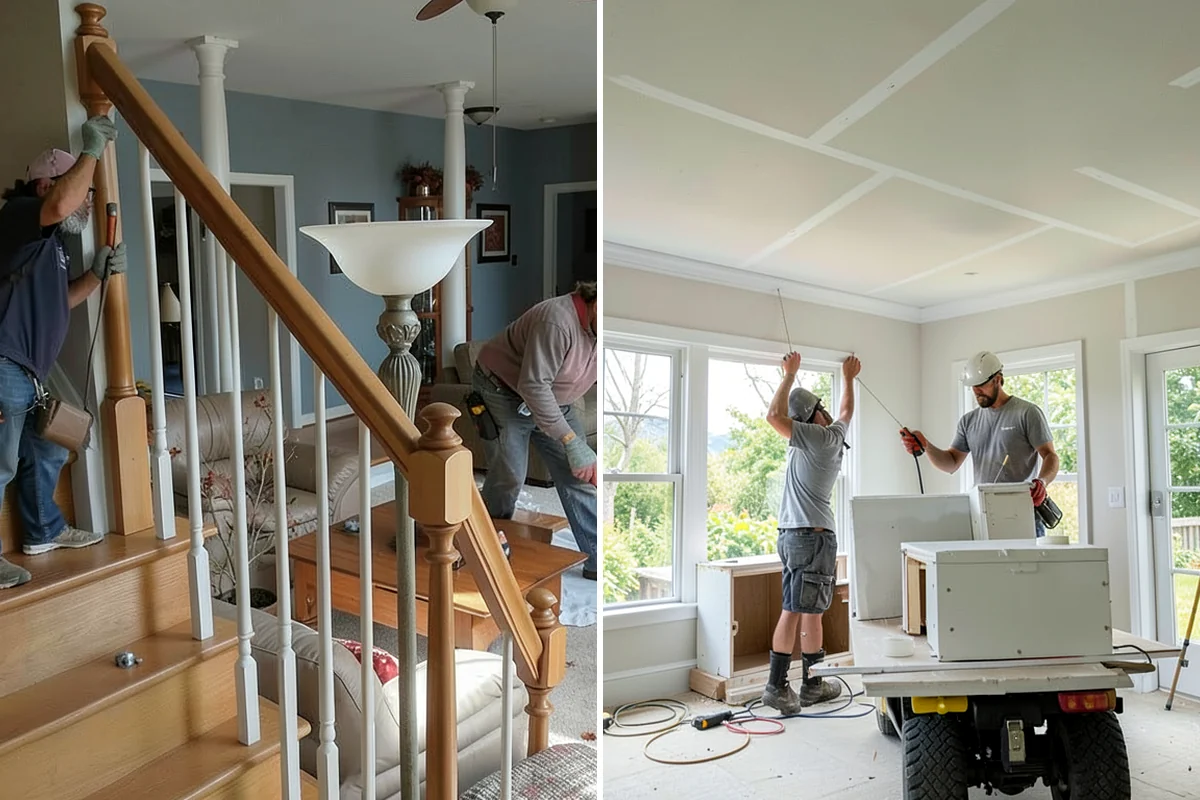
Expect a site walk first, then a written scope that names the material, the trim and the repairs that are likely. Old siding comes off in sections so the wall is not left exposed longer than needed. After that come the weather barrier, flashing, the new siding and the finish details. If hidden damage turns up, you will be asked to approve added repair work before it goes ahead.
One practical tip: walk your house before the estimate visit and note any soft trim, stained boards or bubbling paint. Point them out. Those spots often show where water has been getting in, and they help set an accurate scope from the start.
Clyde Hill Siding Installation
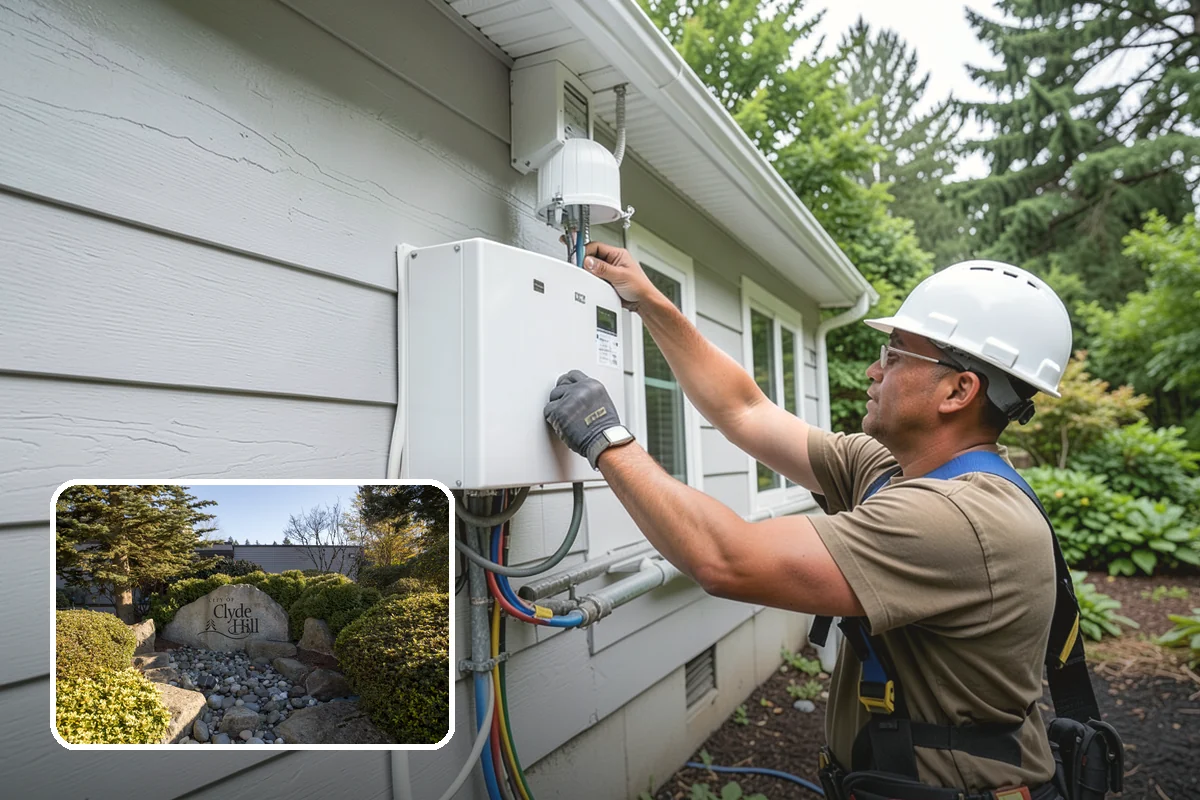
Local Service Information
Clyde Hill
A small, primarily residential city on the Eastside between Bellevue and Lake Washington.
Benefits
Blocks wind-driven rain from reaching the structure; Improves energy efficiency with a continuous drainage plane; Boosts curb appeal and resale value across Puget Sound markets; Backed by manufacturer and workmanship warranties; Installed to WA code with permits and inspections handled for you
Process
Siding Installation in nearby areas
Also serving Clyde Hill
- House Mold Removal in Clyde Hillat Washington Pressure Washing
- Roof Edge Repair in Clyde Hillat Washington Roofing