Strong Foundations. Superior Results.

Clyde Hill Heated Driveway Installation

Embedding a radiant heating system beneath the driveway to melt snow and ice automatically each winter.
Is a heated driveway worth considering in Clyde Hill? It can be, mainly for the freeze-thaw cycle. Clyde Hill sees about 29 days a year that freeze at night and thaw by day (Daymet). Average snowfall is modest at 5.3 inches per season. So the issue is often thin ice on a slope or at the street apron, not deep snow.
Washington Construction, based in Bothell, WA, installs heated driveways. This page explains what the local numbers mean for your planning, how your home's fuel and electrical setup shapes the choice of system, and what to settle before work starts.
Planning a Heated Driveway in Clyde Hill
Ice more than snow
Clyde Hill averages 5.3 inches of snow per season. That is not much. The larger concern is the roughly 29 days a year when temperatures freeze overnight and thaw by day (Daymet). Meltwater from the day can refreeze on pavement overnight. A heated driveway is aimed at that kind of ice, especially on a steep grade, a curve, or the walkway to the front door. If your driveway is flat and sunny, you may want to weigh whether you need the whole surface heated or only the wheel tracks and entry.
Electric or hydronic
Census data show that about 73% of Clyde Hill homes heat with utility gas and about 14% with electricity. Why that matters here: a heated driveway can run on electric cables under the surface, or on a hydronic loop of warm fluid piped through the slab. Electric systems need adequate panel capacity. Hydronic systems need a heat source, and many homes with gas service already have a boiler or could add one. Which fits depends on your existing equipment, so it is worth reviewing before choosing.
What to decide before work begins
- Which areas to heat: the full drive, tire tracks, steps, or walkway
- Whether to replace the existing surface or work with it
- Where controls and sensors will go, and how the system will switch on
- Which heat source you will use
Heating elements are installed beneath the surface, so the paving is usually part of the job. Planning the layout first avoids tearing out finished work later.
Warranty
Washington Construction gives a 1-year warranty on labor. Ask what that covers in writing, so you know what to expect after the install.
Clyde Hill Heated Driveway Installation
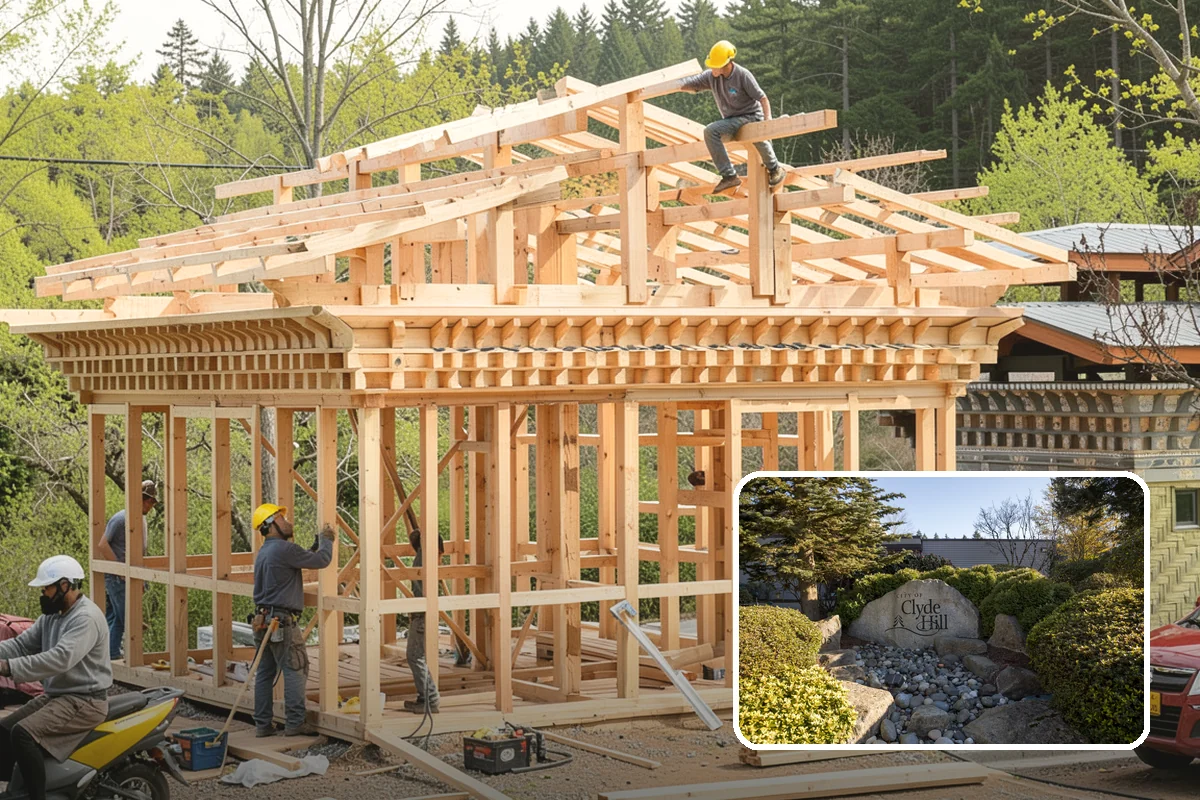
Local Service Information
Clyde Hill
A small, primarily residential city on the Eastside between Bellevue and Lake Washington.
Benefits
Automatically melts snow and ice with no shoveling; Improves safety on sloped or shaded driveways; Eliminates de-icing salt and its surface damage; Activates on its own via temperature sensors; Extends the life of the driveway surface

Process

Heated Driveway Installation in nearby areas
Also serving Clyde Hill
- Tire Mark Removal in Clyde Hillat Washington Pressure Washing
- Driveways in Clyde Hillat Washington Landscaping
- Asphalt Milling in Clyde Hillat Washington City Services
- Double Driveway Snow Removal in Clyde Hillat Washington Snow Removal