Commercial Construction
Washington Construction partners with commercial clients to build and improve functional, high-quality spaces that support…
Find out More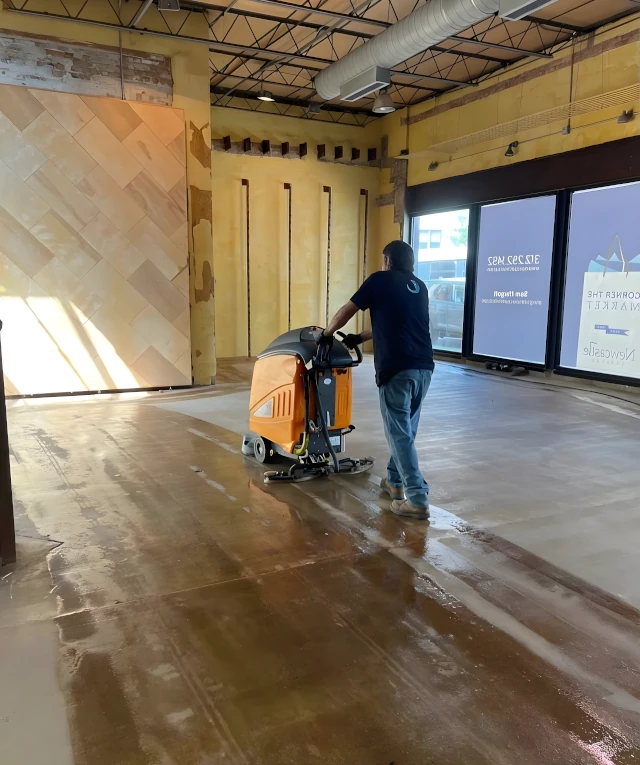
Tenant Improvements
We complete tenant improvements that adapt commercial spaces to meet tenant needs, codes, and functionality. Interior…
Find out More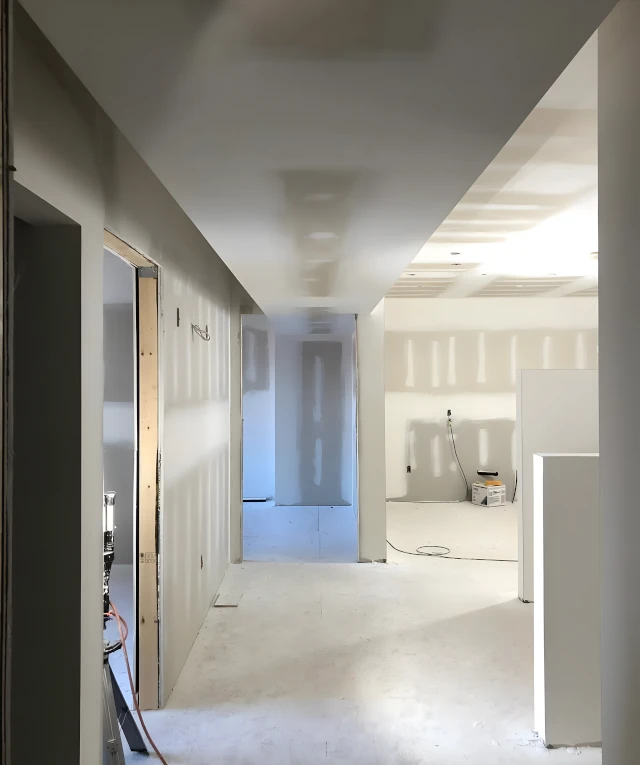
Office Build-Outs
We handle office build-outs that reconfigure and finish workspaces for efficient layouts, modern finishes, and daily operations. …
Find out More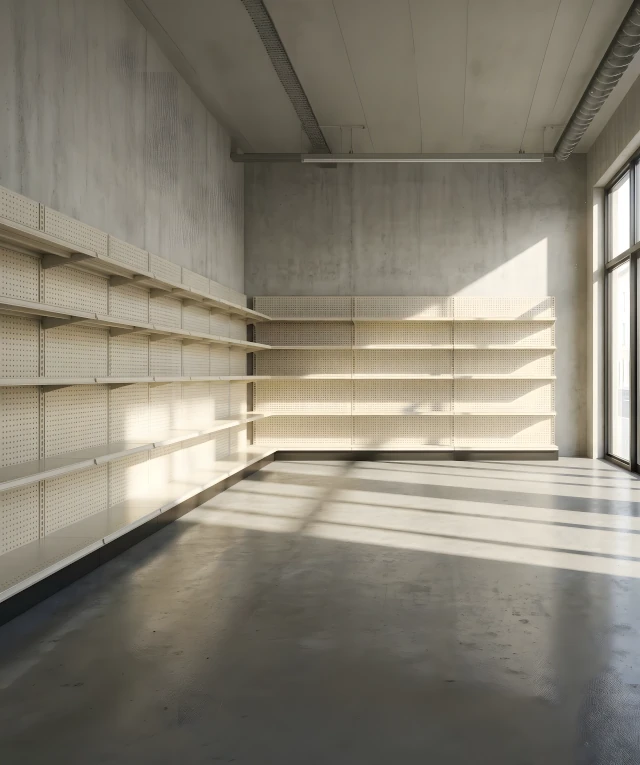
Retail Improvements
From layout changes to finish upgrades, we deliver retail improvements that align the space with how the business operates…
Find out More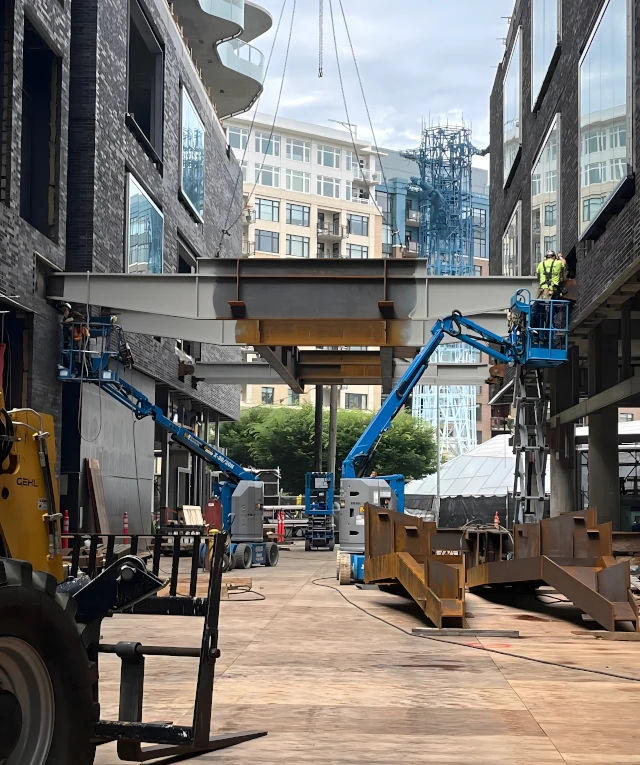
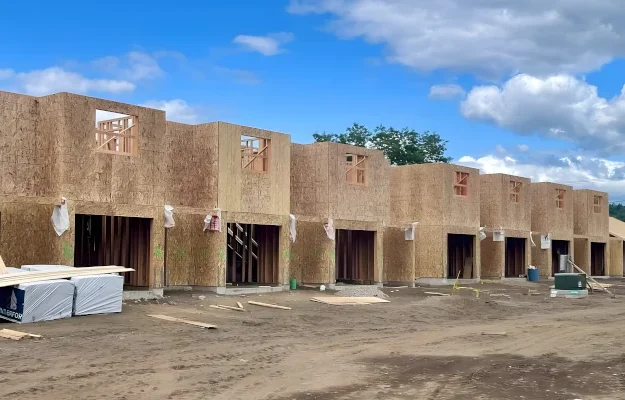
Multi-Family Homes
Built for efficiency and longevity, our multi-family homes improvements focus on upgrading units and shared spaces to support…
Find out More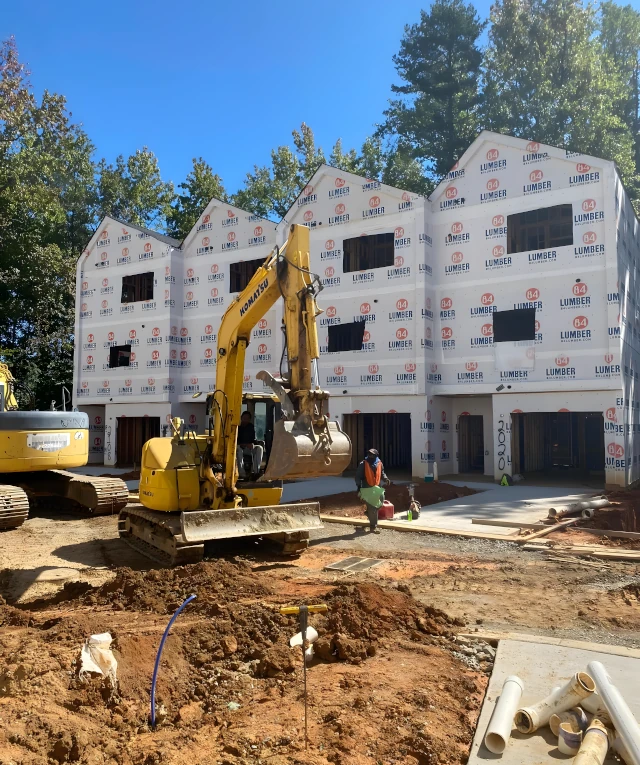
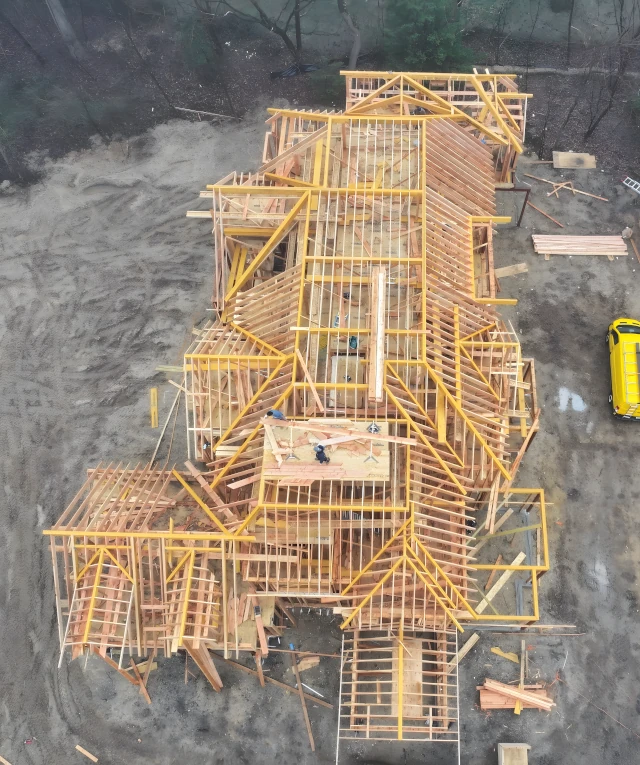
Site & Property Work
Handling comprehensive site & property work, including demolition, grading, excavation, drainage improvements, and site…
Find out More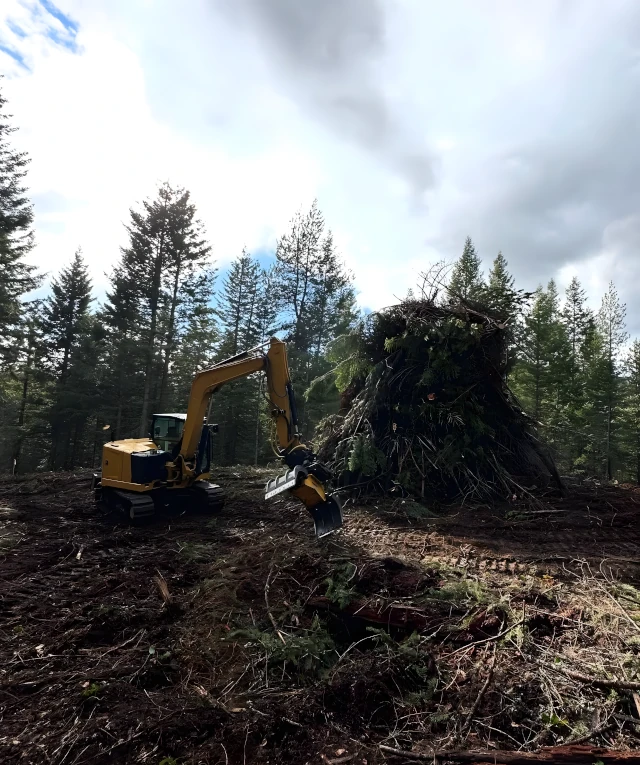
Lot Clearing & Preparation
We provide professional lot clearing & preparation services to remove vegetation, level terrain, and prepare properties…
Find out More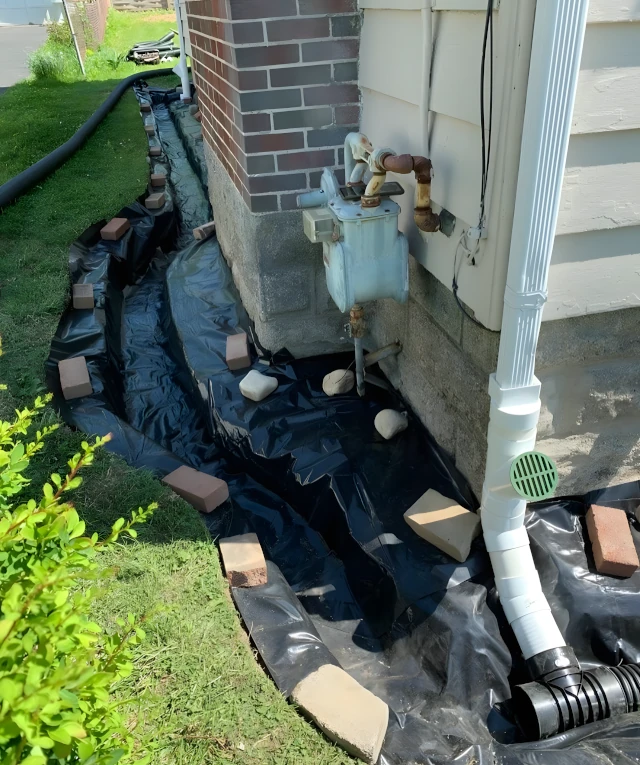
Grading & Drainage
We provide expert grading & drainage services to improve water flow, prevent erosion, and create stable, build-ready…
Find out More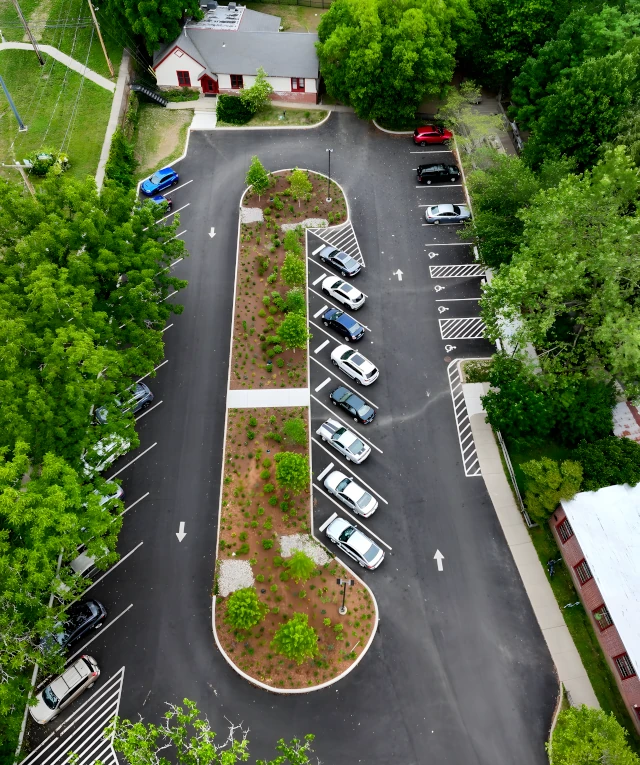
Parking & Site Improvements
We provide professional parking & site improvements such as asphalt paving, concrete installation, ADA-compliant upgrades,…
Find out More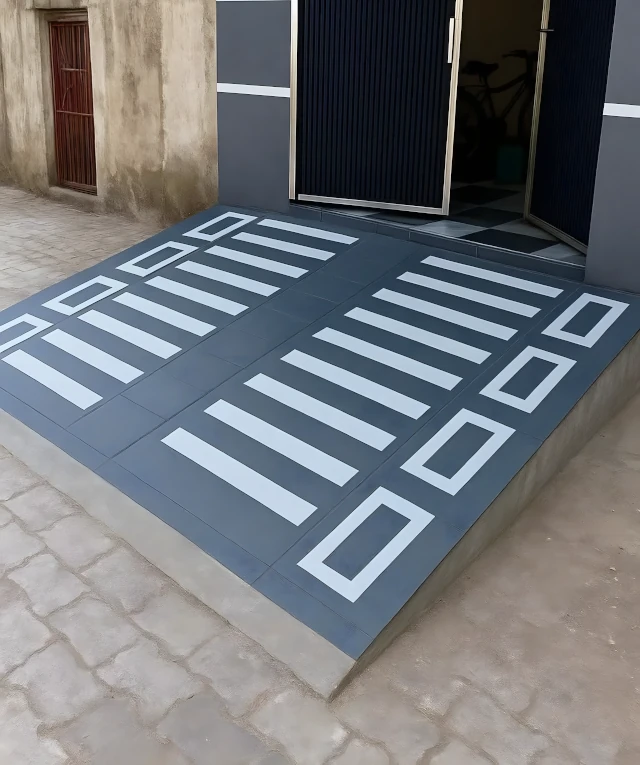
Ramps & Accessibility
We build code-compliant ramps & accessibility improvements to enhance safe access, usability, and mobility for all users. …
Find out More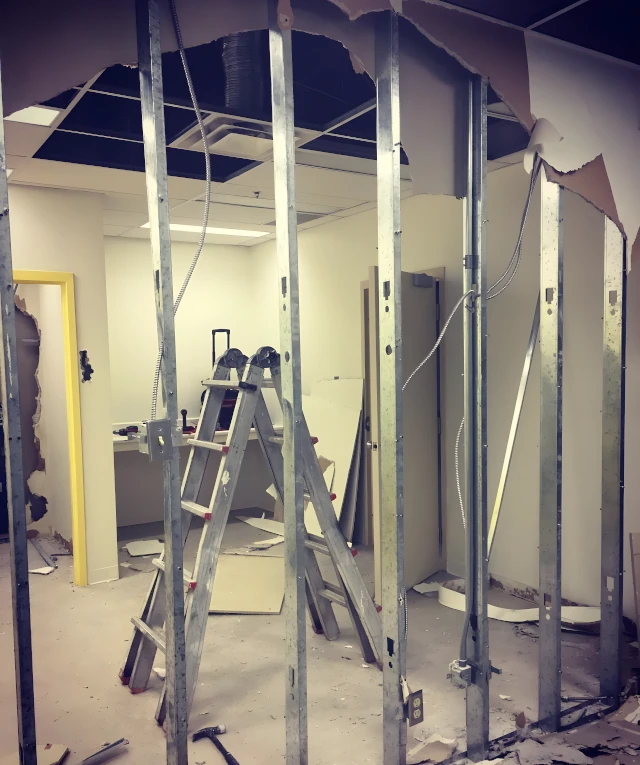
Repair & Restoration
Our repair & restoration work is performed with a focused, methodical approach that stabilizes damaged structures, resolves…
Find out More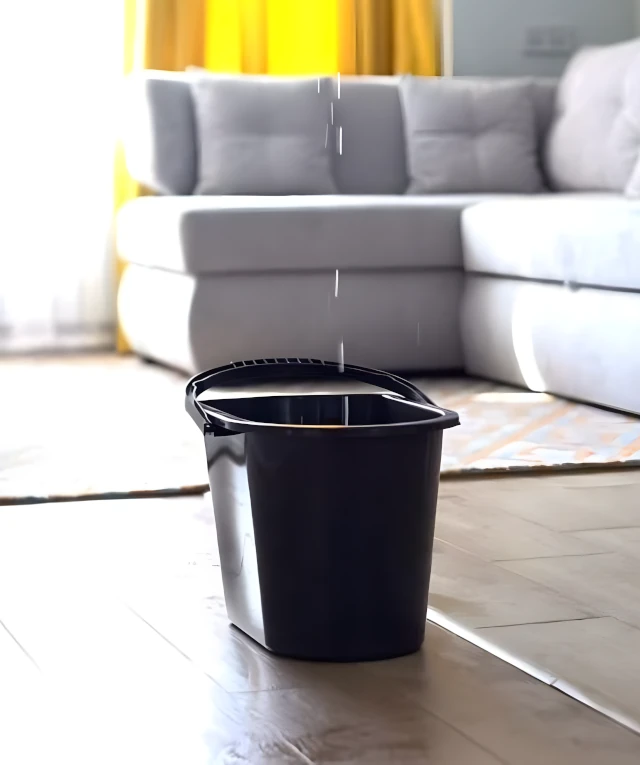
Fire, Water & Storm Damage
Fire, water & storm damage work follows a structured recovery approach that prioritizes immediate stabilization, controlled…
Find out More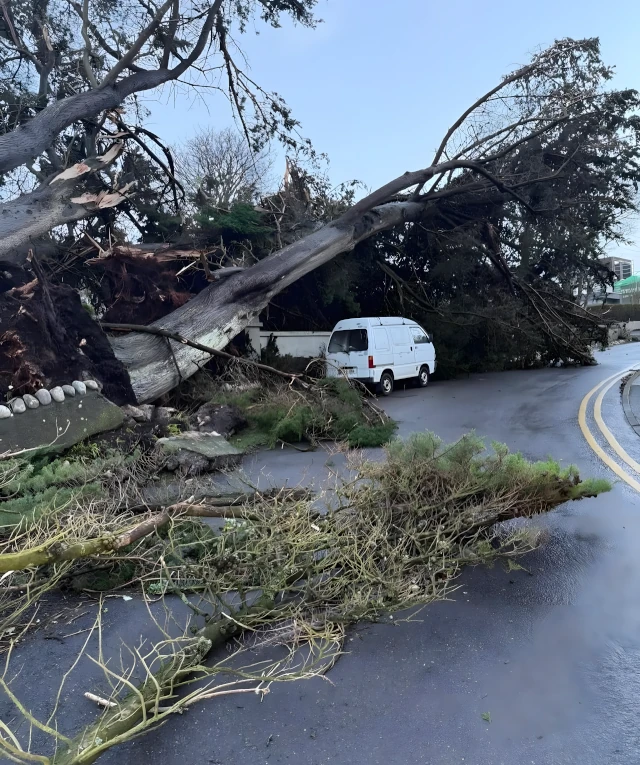
Emergency Repairs
Emergency repairs are carried out using a rapid-response approach that focuses on immediate stabilization, targeted fixes,…
Find out More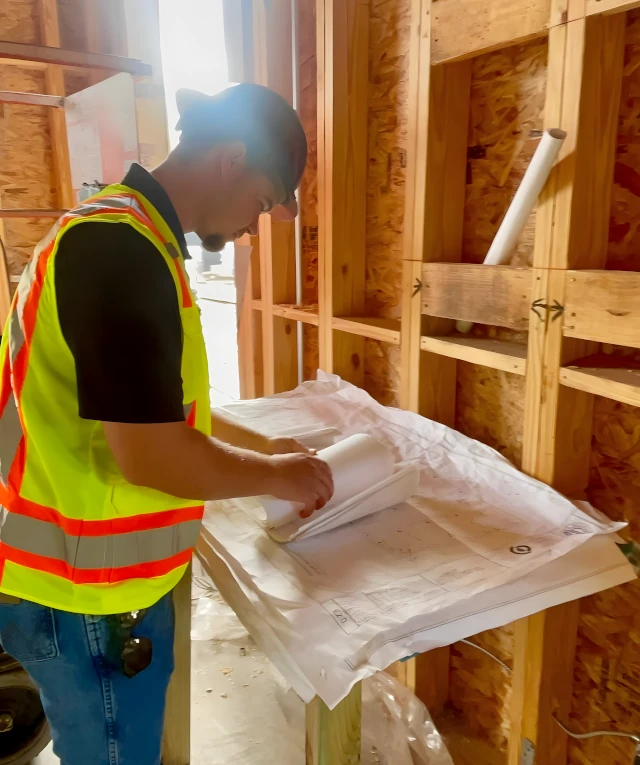
Project Support
Our project support is delivered through proactive coordination and hands-on oversight that keeps schedules aligned, teams…
Find out More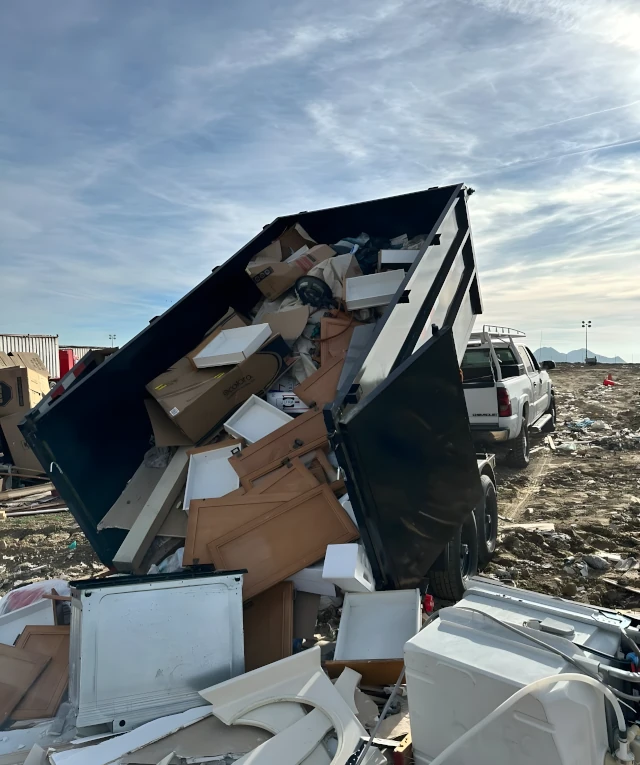
Demolition & Removal
We perform controlled demolition & removal to safely clear structures, manage debris, and prepare sites for the next…
Find out More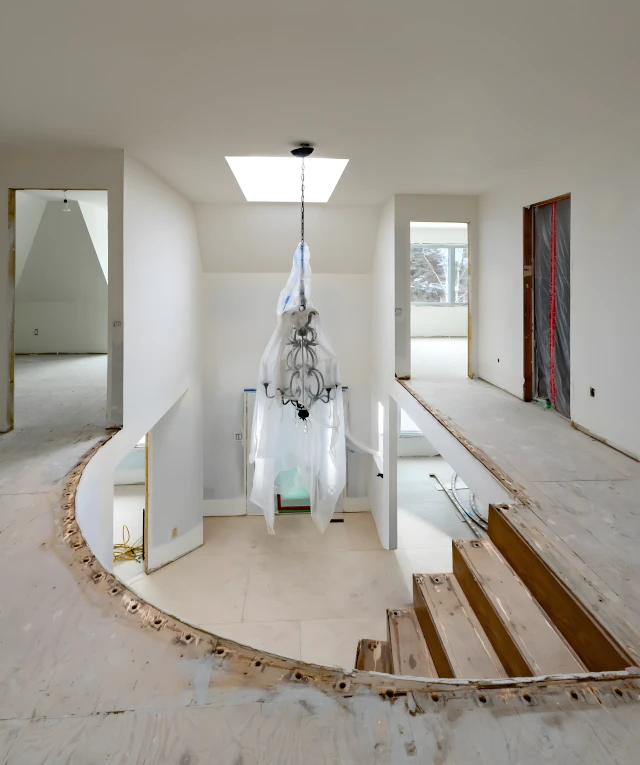
Insurance Repair Work
We complete insurance repair work by restoring damaged structures efficiently, coordinating repairs, and returning properties…
Find out More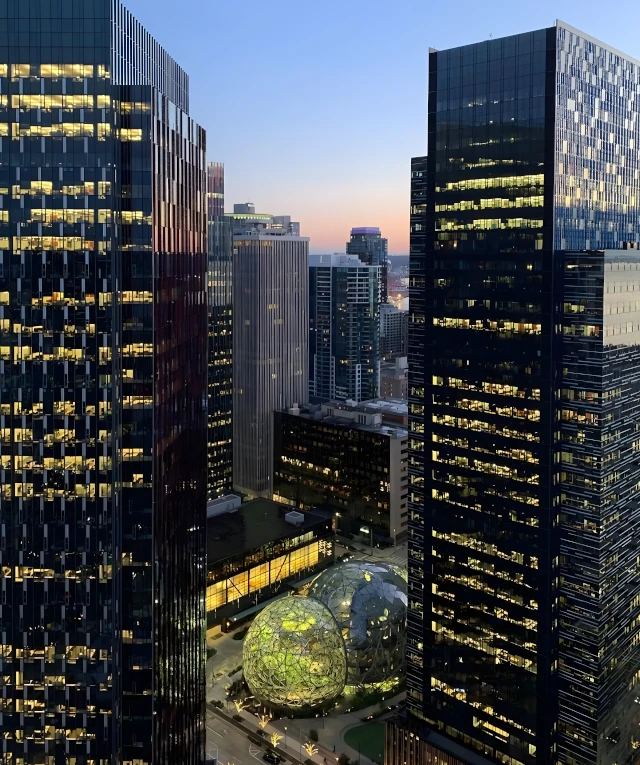
Permit Coordination & Inspections
We manage permit coordination & inspections by handling approvals, scheduling inspections, and keeping work compliant…
Find out More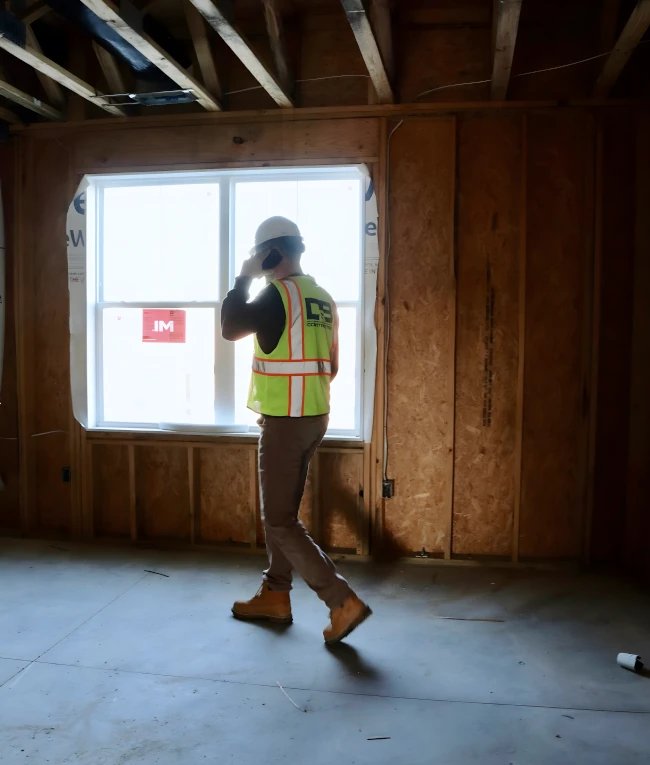
Project Management
We provide project management by coordinating schedules, teams, and resources to keep construction moving efficiently and…
Find out More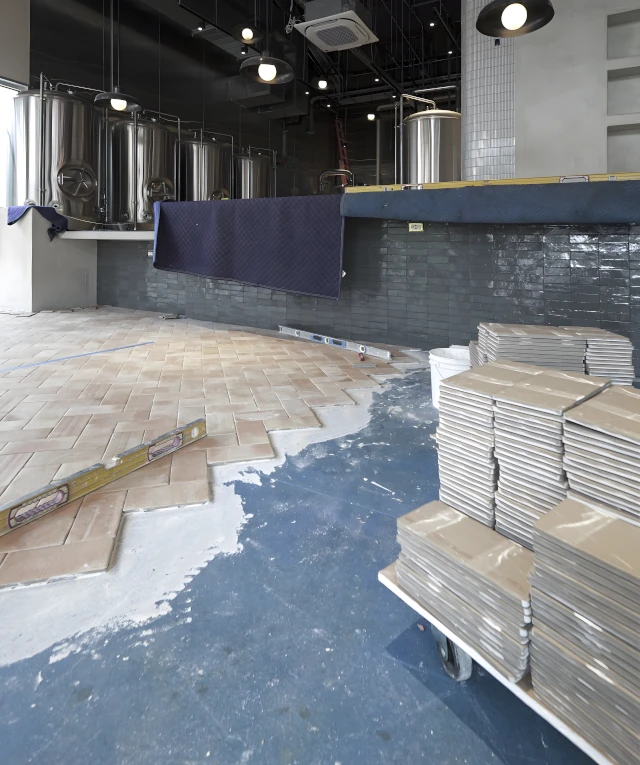
Property Maintenance
We deliver property maintenance by performing ongoing repairs and upkeep to keep commercial sites safe, functional, and operational.…
Find out More