Strong Foundations. Superior Results.

Carbonado Zoned HVAC Installation
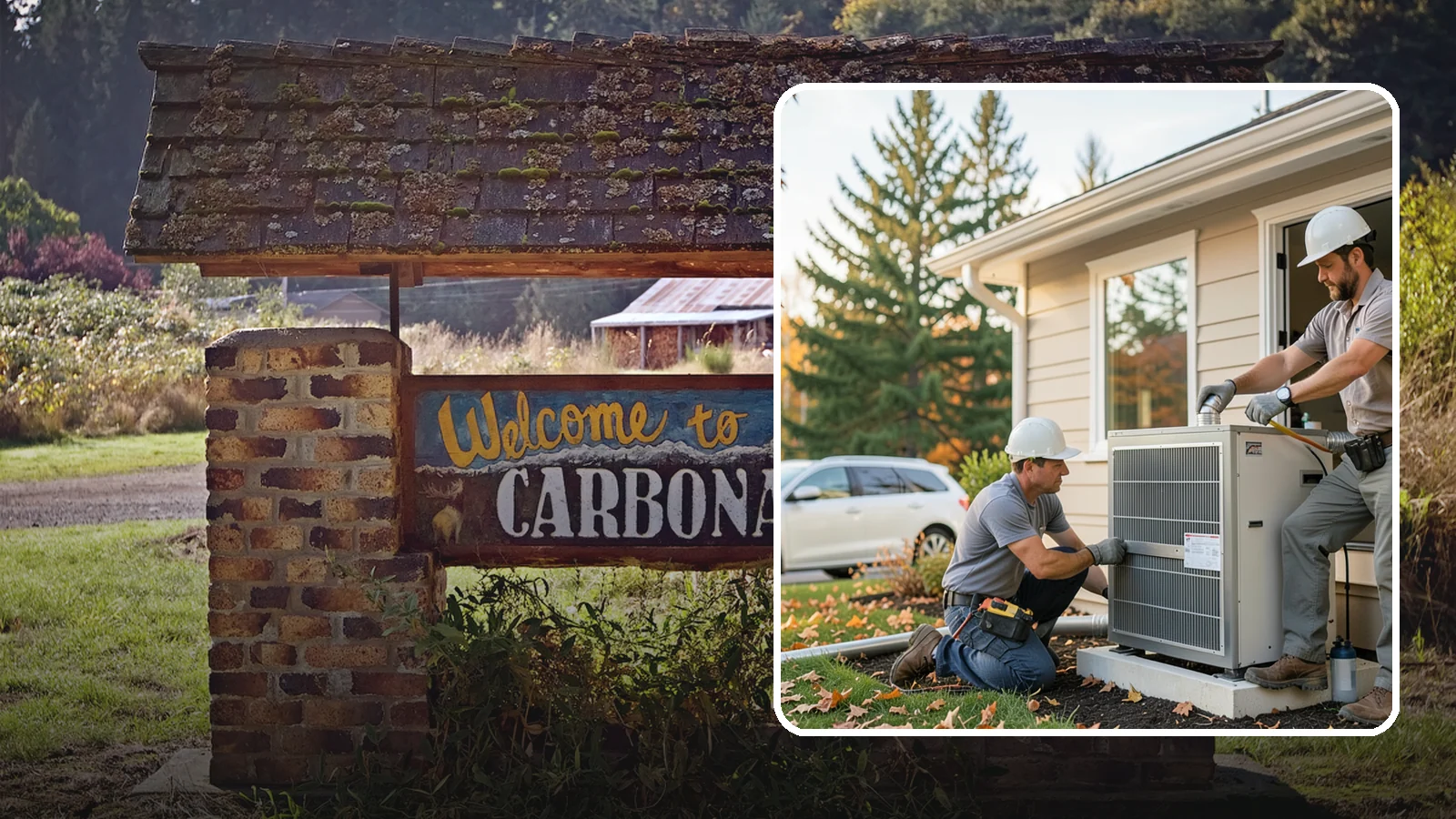
We install zoned HVAC systems that let you control temperatures independently in different areas of your home.
Carbonado sees about 45 days a year when temperatures freeze at night and thaw by day, per Daymet. That swing means heating equipment gets used often in shoulder seasons, and a single thermostat does not always match what each room needs.
Zoned HVAC splits a home into areas, each with its own control. Washington Construction, based in Bothell, WA, installs these systems with its own crews. This page explains how the work goes and what to decide before it starts.
How Zoned HVAC Installation Works in Carbonado, WA
A zoned system uses one heating and cooling source to serve separate areas of the house. Motorized dampers in the ductwork open and close, and each zone has its own thermostat. Here is the usual order of work.
- Walk the house and decide where zones make sense, such as upstairs and downstairs, or a bedroom wing and living area.
- Check the existing ductwork and equipment to see what can be reused.
- Install dampers, thermostats and a control panel.
- Test each zone and confirm airflow is balanced.
Why the freeze and thaw cycle matters
With about 45 freeze-and-thaw days a year in Carbonado, per Daymet, mornings can be cold while afternoons warm up. Rooms with sun exposure heat up faster than shaded ones. Zoning lets you stop heating a warm room while a cold one keeps going. When you plan zones, think about which rooms swing the most through the day.
Planning around the dry month
July is the driest month in Carbonado on average. That makes it a practical time to schedule work that involves opening ductwork or running new lines, since access to the crawl space and attic is easier in dry conditions. If you want cooling added or improved, having the system ready before summer heat is worth considering.
Who does the work
Electrical, plumbing and HVAC work is done by our own crews, not subcontracted. Zoning touches both low-voltage controls and ductwork, so having one team handle both keeps the work coordinated. The company is licensed, bonded and insured ($2M).
Older homes and small-town housing
Carbonado is a small town of about 227 homes, too few for reliable Census percentages, so we do not guess at the age or condition of houses here. Your own home is what counts. Duct layout, insulation and existing equipment decide how many zones are practical, and an on-site look settles that.
Carbonado Zoned HVAC Installation
Local Service Information
Carbonado
A very small former coal-mining town in the foothills of southeast Pierce County.
Benefits
Independent temperature control for each area; ends uneven heating in multi-level homes; reduces energy spent on unused spaces; improves comfort in bedrooms and living areas alike; calibrated for accurate, responsive zone control
Process

Zoned HVAC Installation in nearby areas
Also serving Carbonado
- Roof Vent Installation in Carbonadoat Washington Roofing