A Deck Built for the Pacific Northwest—and Built to Last
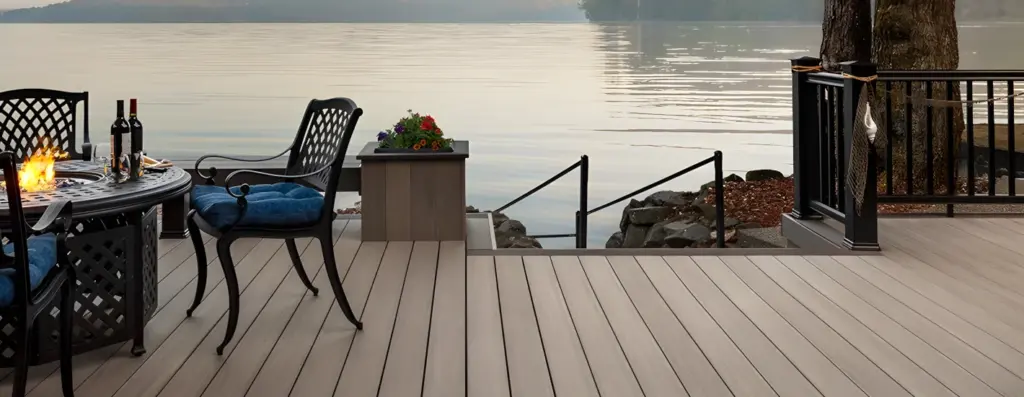
Seattle’s climate is beautiful, but it’s hard on wood. Consistent rain, moisture, and temperature swings accelerate rot, warping, and discoloration in traditional wood decks—often requiring costly repairs or full replacements within a decade. Composite decking was engineered to handle exactly these conditions, offering the look of natural wood without the vulnerabilities that come with it. For homeowners in the Pacific Northwest, it’s not just a preference—it’s a practical decision.
We approach every composite deck build the way we approach all structural work: with a detailed plan before a single board goes down. That means evaluating the existing structure or foundation, planning for proper drainage and ventilation beneath the deck, and selecting materials that match both the design vision and the demands of the environment. Every build is permitted, inspected, and constructed to meet local code requirements from the ground up.
Composite vs. Wood
What's the Difference?
Wood decks have a natural appeal that’s hard to argue with, and for some homeowners the aesthetic is worth the tradeoff. But in a region where it rains nine months out of the year, wood requires consistent upkeep to stay safe and presentable.
Without regular sealing, staining, and inspection, a wood deck can begin showing significant wear within just a few years—and full replacement typically comes between 10 and 15 years depending on the species and how well it’s maintained.
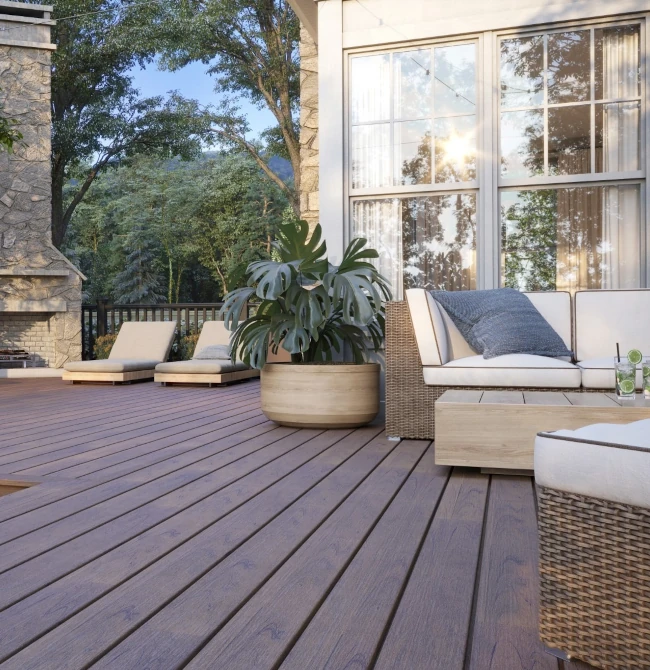
Composite decking, by contrast, is engineered from a blend of wood fibers and recycled plastics that resist moisture, fading, and insect damage without ongoing treatment. A quality composite deck requires little more than an occasional wash to stay looking clean and performing well. With a lifespan of 25 to 30 years—and many manufacturers backing that with long-term warranties—composite is an investment that pays for itself over time, especially in climates like ours.
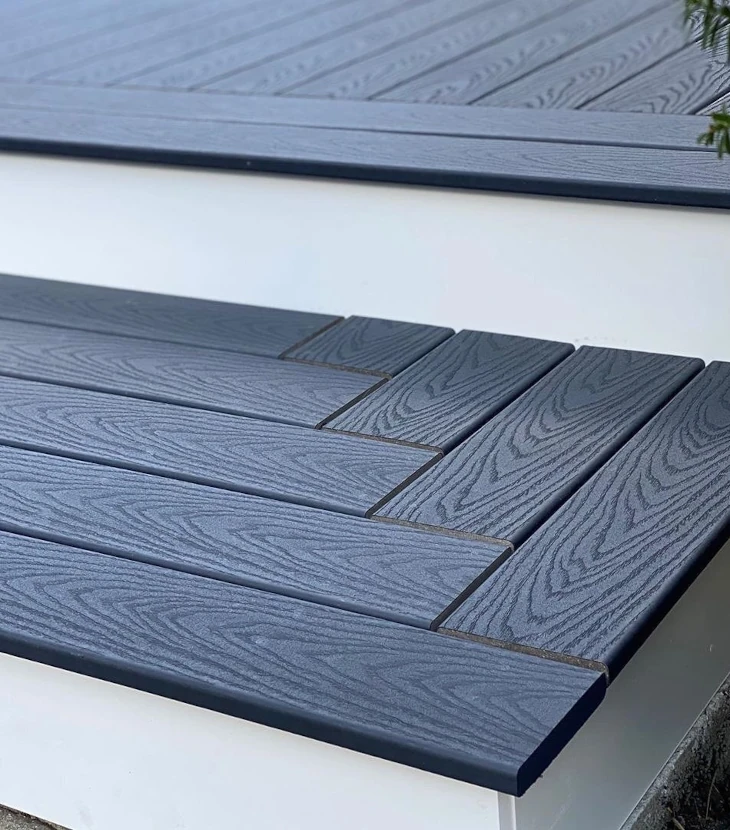
When planning a composite deck build, there are several key decisions that shape the outcome of the project. Framing material matters—pressure-treated lumber is standard, but some homeowners opt for aluminum framing for maximum longevity beneath the surface. Board orientation, railing style, and fascia details all affect the finished look and the overall cost. Drainage systems installed beneath the deck can make the space usable even during wet weather, which in Seattle is well worth considering. We walk every client through these decisions before work begins so the final product reflects both their vision and their budget.
When planning your composite deck, we evaluate and advise on:
- Subframe material and ventilation to prevent moisture buildup beneath the surface
- Board profile, color, and grain pattern to complement your home's exterior
- Railing systems—cable, glass, aluminum, or composite—for safety and style
- Drainage systems and slope to keep water moving away from the structure
Low Maintenance, Long Life, and Ready for Whatever Seattle Throws at It
A composite deck built by Washington Construction is designed to perform for decades with minimal upkeep on your part. No annual sealing, no staining, no worrying about boards warping or splintering after a wet winter. Beyond the surface, every build starts with a properly engineered subframe, correctly spaced joists, and details that prevent the moisture problems that shorten the life of lesser-built decks. We manage permits, coordinate inspections, and deliver a finished product that looks sharp, functions reliably, and adds lasting value to your home—season after season, year after year.

Work We've Done
Related Projects
Our team of experts works closely with you to bring your vision to life, ensuring that every detail is meticulously executed.